1. Introduction to Small Machine Embroidery
Embroidery has always been a cherished art form, and today a small embroidery machine makes intricate stitching practical for home users and small businesses. These compact units blend creativity and practicality, letting you craft detailed designs without a large workspace or budget.
This guide explores the benefits of compact machines—space-saving design, affordability, and the essential features that elevate your results. From choosing the right model to understanding functions that help both beginners and seasoned embroiderers, consider it your starting point. If you are exploring the best embroidery machine for beginners, you will find features and use-cases highlighted throughout.
Table of Contents
- 1. Introduction to Small Machine Embroidery
- 2. Top 3 Compact Embroidery Machines Under $500
- 3. Combo vs Dedicated Machines: Space & Functionality Compared
- 4. Essential Features for First-Time Embroiderers
- 5. Advanced Techniques for Challenging Fabrics
- 6. Professional-Grade Compact Machines Analyzed
- 7. Maintenance Guide for Long-Term Performance
- 8. Conclusion: Matching Machines to Your Needs
- 9. Embroidery Machine FAQ
2. Top 3 Compact Embroidery Machines Under $500
When balancing affordability and capability, three compact options stand out, each serving different needs and skill levels.
2.1 Brother SE600: Best Hybrid Sewing/Embroidery Combo
The brother SE600 combines sewing and embroidery in one compact unit. With a 4\"x4\" hoop, 80 built-in designs, and six fonts, it grants ample creative range. USB compatibility enables easy custom design imports, while variable speed and free-motion sewing expand project variety. An LCD screen simplifies navigation and on-screen edits, and a lightweight build aids portability. Its smaller embroidery field limits large designs, making it a smart pick for beginners or tight spaces.
2.2 Brother PE535: Pure Embroidery Power in Mini Format
The Brother PE535 is embroidery-only, offering a focused, compact solution. It features a 4\"x4\" hoop, 80 built-in designs, and nine fonts for monogramming. A USB port supports design imports, and the 3.2-inch color touchscreen makes adjustments intuitive. While it lacks sewing functions, its ease of use and budget-friendly nature make it a strong entry-level choice for hobbyists.
3. Combo vs Dedicated Machines: Space & Functionality Compared
Choosing between a combo model like the SE600 and a dedicated unit like the PE800 means weighing space savings against specialized capability. A brother embroidery machine that combines sewing and embroidery can reduce clutter, while a dedicated model scales designs with a larger hoop.
3.1 Brother SE600 vs PE800 Workspace Analysis
The SE600’s 4\"x4\" field suits small projects and consolidates two functions into a single footprint. That integration can reduce workspace needs by approximately 40% because you avoid separate machines. By contrast, the PE800’s 5\"x7\" hoop accommodates larger designs like quilts and banners; it requires space for a separate sewing machine but provides expanded design capacity. Both support USB transfers. Space-conscious users often prefer the SE600, while dedicated embroiderers may lean toward the PE800 for scalability.
| Model | Hoop size | Type | USB | Space notes |
|---|---|---|---|---|
| SE600 | 4\"x4\" | Combo sewing + embroidery | Yes | Up to ~40% less workspace than separate units |
| PE800 | 5\"x7\" | Embroidery-only | Yes | Needs space for a separate sewing machine |
4. Essential Features for First-Time Embroiderers
For newcomers, simplicity matters. An embroidery machine for beginners is easier to learn when it provides clear on-screen guidance and automation that reduces setup time.
4.1 LCD Tutorials & Automatic Threaders Demystified
LCD Tutorials
Touchscreen guidance has transformed the learning curve. The Brother PE545 includes a 7-inch tutorial display with step-by-step assistance for design selection, settings, and basic troubleshooting. Similar interfaces on the brother SE700 and SE1900 enable visual design edits and straightforward stitch selection.
Automatic Needle Threaders
Automatic needle threaders—available on machines such as the Brother SE700, SE600, and PE545—remove the hassle of manual threading. They save time, reduce eye strain, and help beginners focus on stitching rather than setup.
In short, beginner-friendly models pair USB design import with built-in tutorials and automation to minimize complexity while preserving creative flexibility.
5. Advanced Techniques for Challenging Fabrics
Knits, T-shirts, denim, and canvas demand the right stabilizer and thread choices. Matching the stabilizer to the fabric keeps designs crisp and durable.
5.1 Stabilizer Selection: Cutaway vs Tear-Away
Cutaway Stabilizers
Cutaway stabilizers are ideal for stretchy fabrics like knits and T-shirts. They stay in place after stitching, resist distortion, and support the design through repeated wear and washing.
Tear-Away Stabilizers
Tear-away stabilizers suit structured fabrics such as denim and canvas. They remove cleanly, reduce puckering, and leverage the fabric’s inherent stability for a tidy finish.
Incorporating tension test data from Brother PE800 trials underscores how the correct stabilizer choice meaningfully affects stitch quality across fabric types.
For garment-focused projects discussed below, magnetic embroidery hoops can assist with even tension and help mitigate hoop burn.
5.2 Magnetic Hoop Solutions for Garment Embroidery
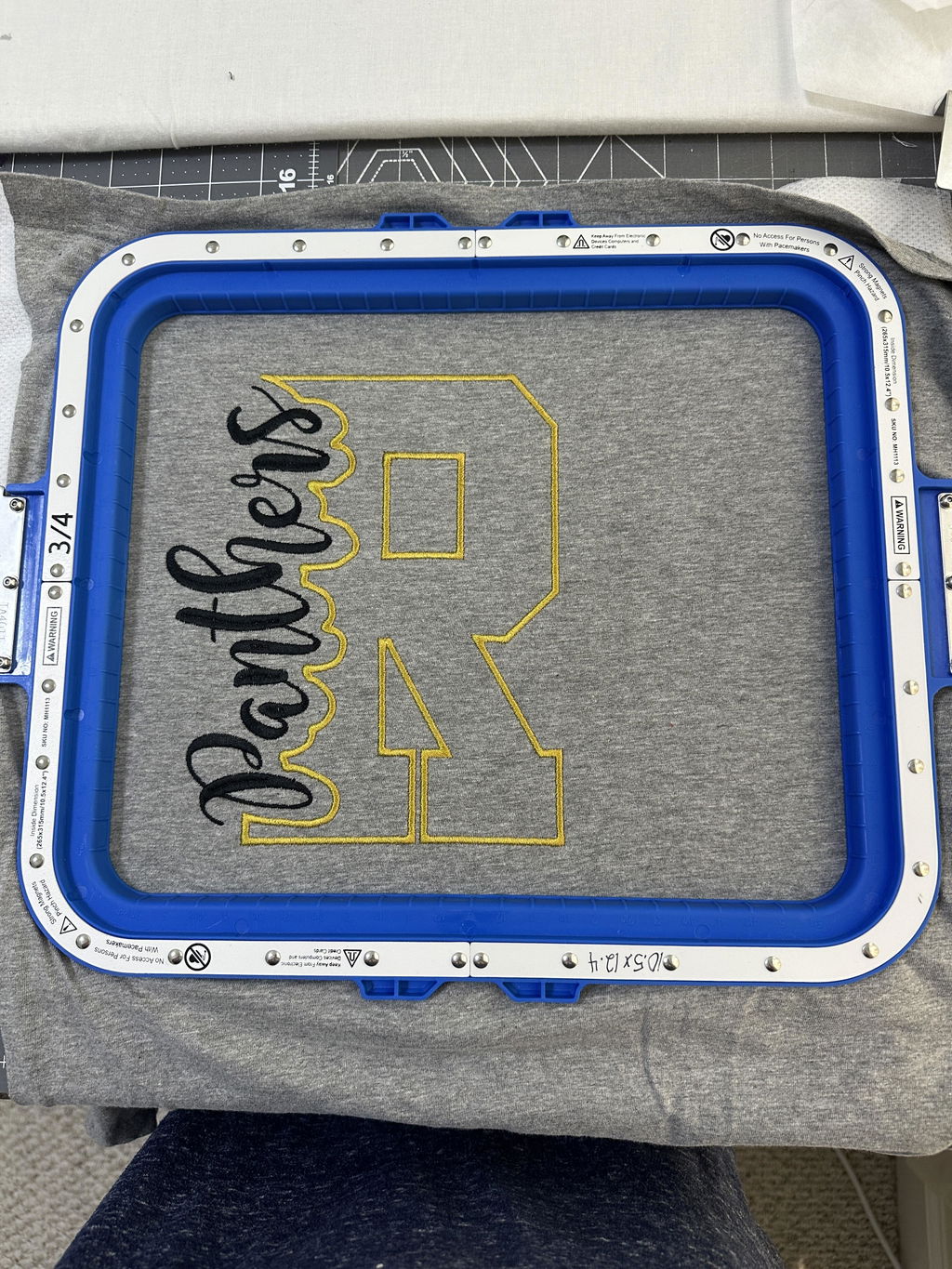
For sleeves and other curved surfaces, magnetic embroidery hoops for brother like Sewtalent’s are noted for durability—described as 40 times more robust than traditional plastic hoops. They apply even tension and help prevent hoop burn, which is crucial for clean, high-quality results.
Used with Brother-compatible models, the strong magnetic clamping secures fabric, reducing misalignment or distortion on curved or hard-to-hoop areas. These magnetic hoops for brother embroidery machines streamline garment embroidery for beginners and experienced users alike.
6. Professional-Grade Compact Machines Analyzed
Home businesses that need compact yet commercial-grade performance may consider multi-needle units like the Tajima SAI.
6.1 Tajima SAI Multi-Needle Efficiency
The Tajima SAI is a single-head, 8-needle machine with a 200mm x 300mm (8\" x 12\") area, suited to larger items such as towels and T-shirts. Despite compact dimensions of 22\" W x 26\" H x 23\" D, it reaches 800 stitches per minute. Integrated fonts, auto thread trimming, laser positioning, and thread detection bolster efficiency. Its multi-needle system limits thread changes, while modular frames and a slim cylinder free arm make sleeves and pockets accessible—valuable for limited workspaces.
Compared with options like the Janome MB-7 and Baby Lock Valiant, the SAI balances speed, precision, and a small footprint. While it may cost more, the versatility and efficiency can be worthwhile for productivity-focused home businesses.
7. Maintenance Guide for Long-Term Performance
Regular care prevents thread jams, preserves stitch quality, and extends the life of your machine.
7.1 Daily Cleaning Routines That Prevent Jams
-
Bobbin and Hook Oiling: - Rotary Hook: Add one drop of #10 sewing machine oil every 3–4 hours of active stitching; adjust by observing thread breaks. - Bobbin Case: Oil the junction of the two black metal pieces daily or every 4 hours in continuous use, then run a test stitch.
-
Cleaning: - Use a small brush or short bursts of compressed air to clear lint from thread guides, take-up levers, and bobbin cases. - Inspect ceramic parts and thread paths for burrs or cracks.
-
Thread Management: - Avoid short tails on top and bobbin threads to prevent suction-related jams. - Do not wind bobbins while the top thread is still threaded.
Weekly Maintenance
- Lubricate moving parts such as needle bars, head shafts, and guide rails.
- Replace needles every 8–10 hours of stitching or if bent/dull.
- Maintain a 0.1–0.2mm gap between the rotary hook tip and needle; adjust tension discs and springs as needed.
8. Conclusion: Matching Machines to Your Needs
Select a machine that balances creativity with practical constraints like space and budget. For compact setups, the Brother SE600 blends sewing and embroidery; the Brother PE535 focuses purely on embroidery. Consider hoop size, built-in designs, and ease of use so your machine aligns with project goals and workspace limitations. Compare SE600’s space-saving appeal with the PE800’s larger design field to match your priorities.
9. Embroidery Machine FAQ
9.1 Q: What are the common hoop sizes for home embroidery machines?
A: Typical hoops range from 4\"x4\" to 5\"x7\", covering most small to medium projects.
9.2 Q: How important is USB compatibility in an embroidery machine?
A: USB matters for expanding design options, allowing easy import of custom designs as your needs evolve.
9.3 Q: What beginner mistakes should I avoid when starting with embroidery machines?
A: Common pitfalls include improper threading, using the wrong stabilizer, and skipping maintenance. Correct setup and routine care help prevent thread jams and poor stitch quality.