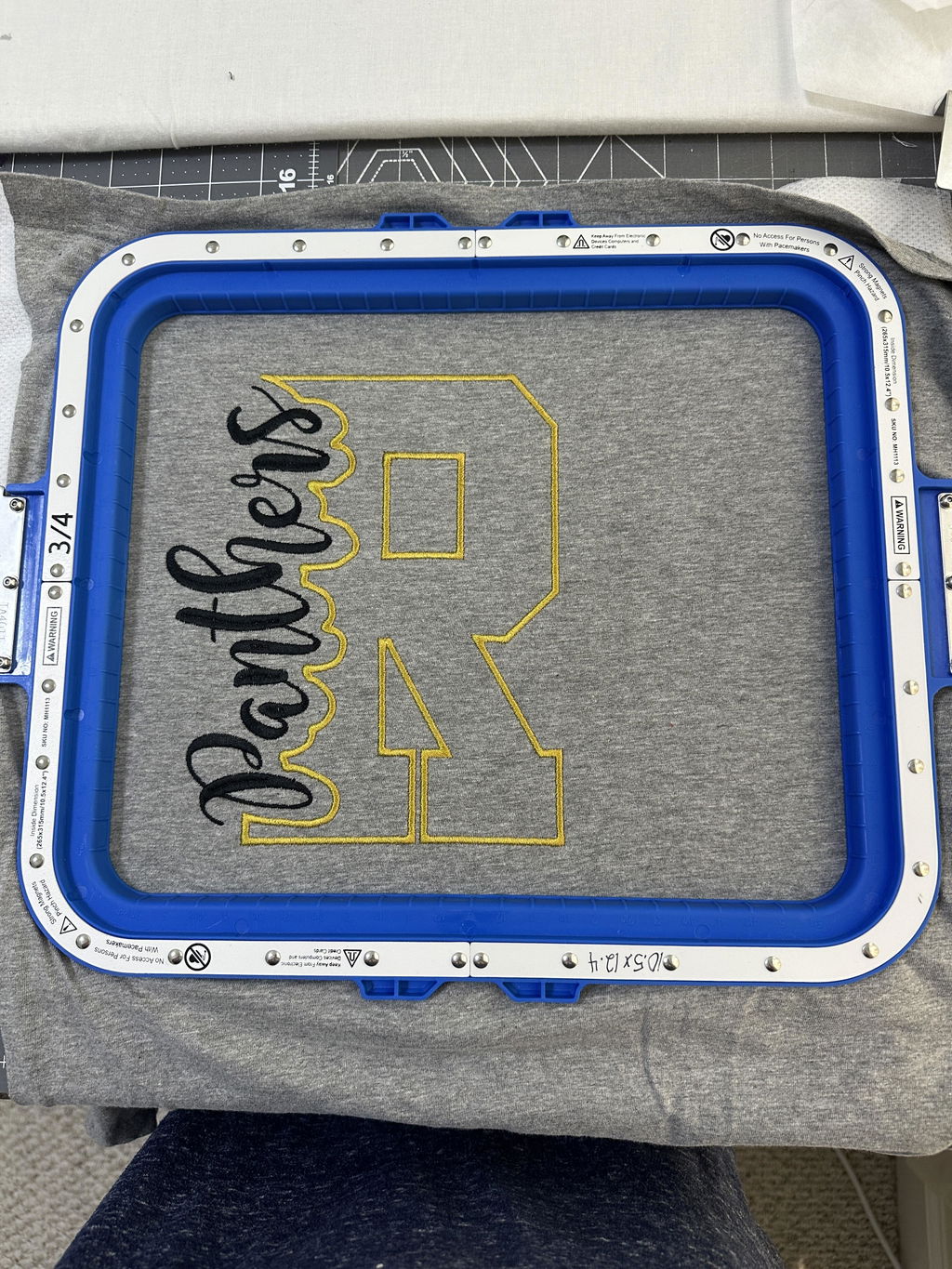
1. Introduction to Permanent Fabric Markers
Permanent fabric markers turn plain textiles into lasting, wearable art. This guide explains marker ink types, how to apply and heat-set designs, tip selection, budget picks, working on dark fabrics, advanced color methods, and embroidery integration. Master the science and process so your colors stay bold through repeated washing.
Table of Contents
- 1. Introduction to Permanent Fabric Markers
- 2. Top Permanent Marker Types and Brands for Wash Resistance
- 3. Application Mastery and Heat-Setting Techniques
- 4. Marker Tip Selection for Artistic Control
- 5. Budget Solutions and Global Availability
- 6. Overcoming Dark Fabric Challenges
- 7. Advanced Color Techniques for Artists
- 8. Conclusion: Maximizing Marker Longevity
- 9. Frequently Asked Questions
2. Top Permanent Marker Types and Brands for Wash Resistance
2.1 Pigment-Based vs. Dye-Based Markers
When permanence matters, ink chemistry is critical.
Pigment-Based Markers
These bond to fibers and resist fading and bleeding, typically requiring heat-setting. Artistro Dual-Tip Fabric Markers are praised for minimal bleed and strong vibrancy after heat treatment.
Alcohol-Based Markers
Less common on fabric, they penetrate quickly and dry fast, but are often used beyond textiles.
Dye-Based Markers
Bold, saturated color that bonds to fibers; many also need heat-setting.
| Factor | Pigment-Based | Dye-Based | Sharpie Rub-A-Dub |
|---|---|---|---|
| Fade Resistance | High | High | Moderate |
| Bleed Resistance | High | Moderate | High |
| Heat-Setting Required | Yes | Yes | No |
| Best For | Detailed designs | Bold colors | Quick labeling |
Key takeaway: For maximum wash resistance, choose pigment-based markers and follow heat-setting guidance.
2.2 Brand Showdown: Sharpie, Arteza, Tulip & More
Sharpie Fabric Markers
- Ink Opacity: Bright on light fabrics; struggle on dark unless a white base is used.
- Color Vibrancy: Strong, especially on cotton and denim.
- Suitability: Smooth application with minimal bleed on denim and light cotton.
- Fade Resistance: Withstands washing, though repeated cycles may dull color.
- Tip: Brush tips enable thick-to-thin lettering.
Arteza Micro-Line Pens
- Ink Opacity: Zero bleed and crisp lines on light fabrics.
- Color Vibrancy: Smooth, neutral tones; larger tips (04, 05, 08) retain color better post-wash.
- Suitability: Optimized for light cotton and precise labeling.
- Fade Resistance: Excellent when used as directed.
Pentel Fabric Markers
- Ink Opacity: Reliable for general fabric work.
- Color Vibrancy: Moderate versus Sharpie.
- Suitability: Versatile on cotton and denim.
- Fade Resistance: Trusted durability.
| Metric | Sharpie | Arteza | Pentel |
|---|---|---|---|
| Ink Opacity | Low (dark fabrics); needs white base | High (light fabrics) | Moderate (less data) |
| Color Vibrancy | Bright, fluorescent | Neutral, crisp lines | Moderate |
| Denim Suitability | Good | Not explicitly tested | Likely compatible |
| Cotton Suitability | Best on light colors | Optimized for light fabrics | Broad compatibility |
| Fade Resistance | Resists fading | Excellent | Likely durable |
| Bleed | Minimal | None | Minimal |
Budget-friendly picks: Tulip Neon is nontoxic and works on cotton, denim, and synthetics. Uxcell dries quickly and stays vibrant after multiple washes.
For pro-level results on a budget, pairing markers with the best embroidery machine for beginners can elevate textile projects.
Pro Tips from the Field
- Double-coat designs; let the first layer dry before the second.
- On dark fabrics, Tulip Metallic Markers or Madam Sew’s 12-color set improve visibility.
2.3 Long-Term Wash Durability Insights
Designs last longer when you match marker and fabric, lock color with heat, and launder with care.
Key Factors
-
Fabric Type:
- Natural fibers (cotton, linen) absorb better and enhance durability.
- Synthetics (e.g., polyester) may need more careful heat-setting. -
Heat-Setting:
- Iron at the highest safe temperature for 1–5 minutes, or tumble dry 15+ minutes. -
Washing Protocols:
- Cold water, inside out, gentle detergent; wash less frequently to extend life.
| Marker Brand | Fade Resistance | Wash Cycles | Notable Features |
|---|---|---|---|
| Dritz Fine Line | High | N/A | Minimal bleeding, consistent lines |
| Tulip | High | N/A | No fade observed in tests |
| Sharpie Stained | Moderate | Normal | Brush tip, machine washable |
| Frixion | Low | N/A | 90% fade after water exposure |
| Uxcell | High | Multiple | Dries quickly, retains vibrancy |
| Incraftables | Moderate | N/A | Wear-resistant chisel tips |
Best practice: heat-set as soon as ink dries, avoid moisture before curing, and store markers horizontally. Bottom line: Dritz Fine Line and Uxcell excel in wash durability, while Sharpie Stained is moderate.
3. Application Mastery and Heat-Setting Techniques
3.1 Step-by-Step Application Guide
-
Prep Your Fabric:
- Wash and dry to remove finishes; iron flat. -
Set Up for Success:
- Use an embroidery hoop or a magnetic embroidery hoop to keep fabric taut and stop bleed-through with cardboard inside the garment.
- Slip parchment or a press cloth between layers. -
Draw Your Design:
- Lightly outline; apply thin, even layers to avoid over-saturation. -
Let It Dry:
- Air dry fully (typically 24–48 hours or as directed); avoid moisture before heat-setting.
YouTube-inspired tips: dry each color before layering; avoid dwelling in one spot; always protect the back side of the garment.
3.2 Ironing vs. Dryer Heat-Setting Methods
| Method | Temperature | Time | Key Notes |
|---|---|---|---|
| Household Iron | Highest fabric-safe (≥150°C/300°F) | 2–5 minutes | Use a dry iron, no steam; cover with press cloth or parchment. |
| Heat Press | 180°C (350°F) | 30 sec–3 min | Even heat/pressure; protect with parchment. |
| Clothes Dryer | Highest fabric-safe setting | 15 minutes | Less targeted; better for small designs. |
Critical steps: iron both sides if ink soaked through, never use steam, and consider double-coating before a final cure.
3.3 Special Tactics for Synthetic Fabrics
- Pre-wash and iron for a clean, smooth surface.
- Stabilize layers to prevent bleed-through.
- Choose permanent or colorfast markers (e.g., Tulip Permanent, Arteza Fabric Markers).
- Apply thin coats; synthetics absorb less.
- Heat-set 3–5 minutes with a dry iron under a cotton cloth, or tumble dry 15–30 minutes.
| Issue | Solution |
|---|---|
| Ink Smudging | Stabilize; dry between layers |
| Poor Adhesion | Pre-treat with spray adhesive; test first |
| Bleed-Through | Use a cardboard barrier |
Longevity tip: proper heat-setting can boost synthetic results significantly.
3.4 Enhancing Embroidery Precision with Sewtalent Hoops
For embroidery-bound artwork, stability and tension control are essential. The M**ght Hoop hooping station keeps marked fabric reliably taut, preventing shifting and distortion during stitching.
Why Sewtalent?
sewtalent magnetic hoops deliver automatic tension control across fabric thicknesses, effortless setup without screws, broad machine compatibility (including Tajima and Brother), and meaningful time savings compared with traditional screw hoops.
Ready to create pieces that last? Master the marker, perfect the process, and heat-set for designs that endure.
4. Marker Tip Selection for Artistic Control
Choosing the right tip controls precision, coverage, and character.
4.1 Fine Tips for Detailed Work
Fine tips (about 0.1–0.5mm) excel at small lettering, outlines, and intricate patterns. On smooth, tightly woven fabrics, fine points paired with proper embroidery machine hoops produce crisp, bleed-free lines. Arteza Micro-Line and Prismacolor Fine Line markers show excellent precision when fabric is pre-washed and heat-set; Sharpie Ultra Fine Point and Arteza Micro-Line also show minimal fading in cold, delicate cycles. Preserve nibs by reserving fine points for detail rather than fills.
Pro tip: dry each layer before adding another color, and use a stabilizer or cardboard to prevent ghosting on the reverse side.
4.2 Chisel/Brush Tips for Coverage and Effects
Chisel tips switch from fine to bold strokes; brush tips deliver painterly motion and textured fills. They shine on textured fabrics like linen or denim, enabling outlines and coverage without swapping tools. Layering and controlled drying produce custom shades and gradients. Thicker ink formulas (such as Tulip Fabric Paint Markers) hold vibrant, wash-resistant color, though broad tips may fray with heavy use on rough surfaces.
Pro tip: pre-wash, iron, protect against bleed-through, and always heat-set.
5. Budget Solutions and Global Availability
5.1 Best Value Marker Sets Under $15
Great color can be affordable.
| Product | Price Range | Key Features | Where to Buy |
|---|---|---|---|
| Uxcell Fabric Markers (Fine) | $9.49–$9.69 | Permanent dye, fine tip, great for DIY clothes/shoes | Walmart |
| Tulip Fine-Tip Neon 12 Pack | $9.99 | Nontoxic, neon colors, permanent on light/dark fabrics | Tulip |
| Michaels 26-Piece Set | $10–$25 | Permanent, no bleed, ideal for artists/kids | Michaels |
Highlights: Tulip Neon is nontoxic and works on both light and dark fabrics. Uxcell offers quick-drying fine tips for detail. Michaels sets suit groups and classrooms. Safety note: nontoxic sets from Tulip and Hippie Crafter are suitable for all ages.
For projects that need machine support, consider an embroidery sewing machine for basic stitching tasks.
5.2 International Purchasing Guide
| Retailer | Geographic Reach | Key Options |
|---|---|---|
| Walmart | U.S. focus, limited international | Uxcell markers |
| Michaels | U.S./Canada, ships internationally | 26-piece sets |
| Tulip Color | Global via official website | Dual-tip, fine-tip, metallic |
| Etsy | Worldwide marketplace | Curated 16-color sets |
| Hippie Crafter | U.S.-based, ships internationally | 26-piece dual-tip sets |
Best bets: Tulip and Etsy are the most reliable for global access; U.S. retailers may require forwarding or higher shipping.
6. Overcoming Dark Fabric Challenges
Designs on dark textiles demand high opacity and careful prep. For headwear, an embroidery machine for hats improves stabilization during decoration.
6.1 Opacity Solutions and Specialized Markers
Standard markers often look faint on dark fabrics and can fade after washing; chalk-based and water-soluble options are temporary. Consider:
- Sewline Ceramic Pencil: crisp, visible lines; frequent sharpening helps.
- Tulip Fabric Paint Markers: vibrant and wash-resistant when heat-set.
- Metallic Sharpies: visible accents, but limited permanence versus paint markers.
| Marker Type | Visibility on Dark Fabric | Permanence | Ease of Removal |
|---|---|---|---|
| Sewline Ceramic Pencil | High (crisp lines) | Moderate | Erasable |
| Tulip Paint Markers | High (vibrant colors) | High (heat-set) | Permanent |
| Sharpie Metallic | Moderate | Low | Bleeds when washed |
| Water-Soluble Markers | Low | N/A | Washes out |
Pro tip: heat-set paint markers; avoid standard Sharpies for washable dark projects.
6.2 Fabric Prep and Application Tweaks
Pre-wash and iron; avoid starch. Use 1–2mm tips for detail. Insert cardboard or a stabilizer to prevent bleed-through. Skip water-soluble markers, Hera tools, and standard pencils for dark textiles; test a scrap of highly dyed fabric before committing.
7. Advanced Color Techniques for Artists
Permanent fabric markers can deliver painterly blends, custom shades, and embroidery-ready art.
7.1 Layering and Mixing Without Bleeding
Pre-wash and iron; avoid starch. Test on scraps for vibrancy and bleed control.
- Cotton & Linen: absorb well; build opacity with layers; fine tips for detail.
- Denim & Heavy Weaves: require more layering; medium/broad tips outperform needle points.
- Poly-Cotton Blends: may absorb unevenly; consider limiting exposure or pretreating cautiously.
Bleed control: apply light layers and let each dry 5–15 minutes, blend with gentle circular motion, place cardboard or freezer paper beneath, and keep fabric taut.
| Technique | Effectiveness |
|---|---|
| Light Layering | High |
| Circular Motion Blending | Moderate |
| Cardboard/Freezer Paper | High |
| Taut Fabric Tension | Moderate |
Layering strategy: outline with fine tips, build depth with medium tips, finish with broad accents without over-saturating fibers. Manage edges by crowding ink toward borders and working in small sections.
Color mixing: layer primaries (red+yellow=orange; blue+yellow=green; blue+red=purple). Mix complements for neutrals. Try cautious wet-on-wet for watercolor gradients or drybrushing for texture on denim.
Post-treatment: iron on the reverse about 3 minutes (no steam) to lock color. According to Perplexity data, most fading stems from improper heat-setting. For the first wash, turn inside out, use cold water and mild detergent, and air-dry or tumble low.
| Issue | Solution |
|---|---|
| Bleeding | Use barriers; test fabric first |
| Fading | Heat-set thoroughly; avoid harsh detergents |
| Uneven Color | Work in small sections; use circular motions |
7.2 Professional Embroidery Integration with Sewtalent
Marker art sets the blueprint; embroidery adds dimension and longevity. To stitch over marker without distortion, keep fabric perfectly stable.
Sewtalent hoops offer strong, adaptive clamping across fabrics, PPSU durability, reference-line alignment, and faster setup than screw hoops.
How to transition: mark, hoop securely, align with guides, and stitch. When designs get complex, magnetic hoops for embroidery machines improve stability on multi-needle runs.
8. Conclusion: Maximizing Marker Longevity
Durable fabric art starts with the right ink for your fabric, careful application, and thorough heat-setting. Pre-wash and prep, layer patiently, and cure properly. Budget sets like Tulip Neon and Uxcell prove affordability can still perform. For embroidery integration and stable stitching over marker designs, magnetic embroidery frames help keep fabric taut.
9. Frequently Asked Questions
9.1 Q: How can I remove accidental permanent marker marks from fabric?
A: Act quickly. Dab with rubbing alcohol or a commercial stain remover before the ink sets. Blot, do not rub, and launder in cold water. Results vary by fabric and marker.
9.2 Q: Are permanent fabric markers safe and effective on synthetic fabrics like polyester?
A: Many perform best on natural fibers, but options like Tulip and Arteza are formulated for synthetics. Pre-wash, stabilize, and heat-set thoroughly. Always test a scrap first.
9.3 Q: My design faded after a few washes. How can I reactivate or restore it?
A: Faded ink cannot be reactivated. Retrace the design with the same marker, let it dry, and heat-set again. For longevity, double-coat and cure properly from the start.