1. Introduction to Ricoma Embroidery Machines
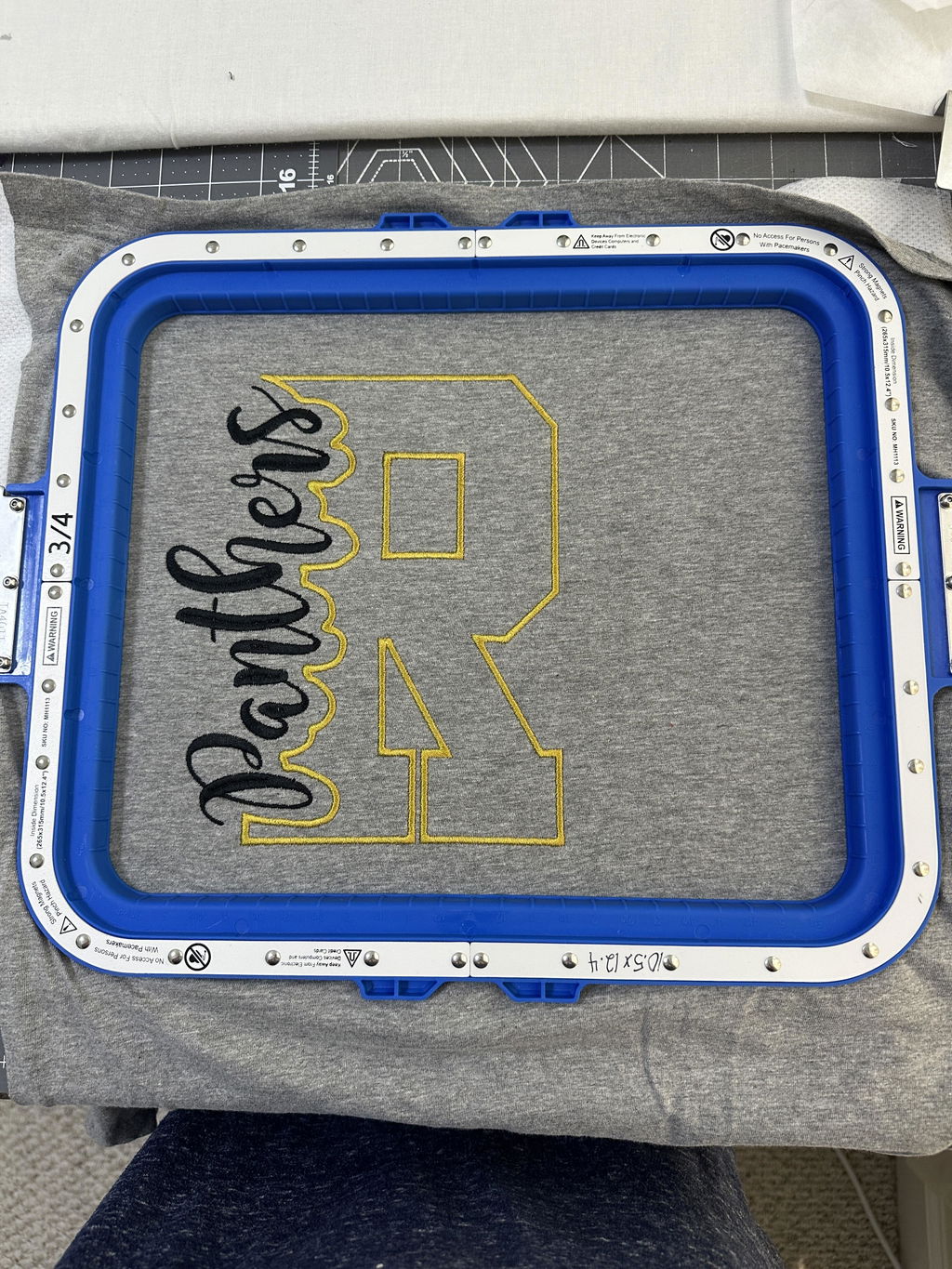
First things first: Ricoma and Ricoh are different. Ricoma focuses on embroidery—from new hobbyists to commercial shops—offering models like EM-1010 (beginner friendly), MT-1501 (built to scale), and TC-1501 (compact). Features span touchscreens, multi-needle configurations, and accessories compatible with modern workflows, including ricoma embroidery hoops.
In this guide, you’ll find candid reliability analysis, head-to-head comparisons, pricing and financing context, operations and maintenance tips, and accessory advice that can boost ROI. Whether you’re setting up a home studio or running bulk orders, these insights will help you decide if Ricoma fits your embroidery goals.
Table of Contents
- 1. Introduction to Ricoma Embroidery Machines
- 2. Ricoma Machine Reliability and Performance Analysis
- 3. Ricoma vs. Competitors: Feature and Value Comparison
- 4. Buying Considerations and Investment Breakdown
- 5. Technical Capabilities and Operational Guidance
- 6. Support Resources and Community Insights
- 7. Beginner's Model Selection Roadmap
- 8. Conclusion: Is Ricoma Right for You?
- 9. Frequently Asked Questions (FAQ)
2. Ricoma Machine Reliability and Performance Analysis
2.1 Model-Specific Strengths and Weaknesses
Ricoma MT-1501: Proven for High-Volume Orders
The MT-1501 is frequently praised for heavy workloads. Users report running 150 hats per day at 600 stitches per minute with minimal breaks—assuming attentive maintenance. Over years of use, producing 2,000+ hats annually with few mechanical issues is not uncommon. Its build and material versatility suit thick jackets and caps, especially with quality thread and compatible accessories such as magnetic hoops for Ricoma embroidery machines.
TC-1501: Compact, With Challenges on Structured Hats
TC-1501’s small footprint is appealing, but it often struggles on structured hats—frequent needle breaks, tension problems, and possible hat damage are reported. The learning curve is steeper, and even experienced operators may spend more time troubleshooting.
Common Pitfalls and Safety Considerations
- Needle/thread breakages: TC-1501 is especially prone on structured hats; correct tension and needle choice are critical.
- Software/electrical glitches: Occasional shutdowns or stitch errors can occur.
- Safety incidents: Rare but serious cases include documented fires attributed to the machine; never leave machines unattended.
| Issue | Frequency/Severity | Models Affected |
|---|---|---|
| Needle Breaks | Moderate to High | TC-1501, MT-1501 (hats) |
| Thread Tension Problems | Moderate | All models |
| Electrical/Software | Low to Moderate | All models |
| Safety Incidents | Rare but Severe | Isolated cases |
User Experience Takeaways
Feedback varies. Some attribute issues to operator error (tension, needle choice, digitizing), while others compare unfavorably to Barudan or ZSK. Still, the MT-1501 can deliver professional output when set up and maintained carefully.
Bottom Line
For consistent, high-volume output, MT-1501 stands out as a dependable workhorse. TC-1501 is better for lighter projects and users willing to troubleshoot. For structured hats or tough materials, expect a learning curve and consider extra training and high-quality supplies.
2.2 Durability and Maintenance Costs
Long-Term Performance
MT-1501 earns strong durability marks for one to three years of rigorous use—if maintenance is disciplined. Twice-daily lubrication and weekly needle bar cleaning keep performance stable.
Maintenance Costs
| Task | Frequency | Cost |
|---|---|---|
| Rotary Hook Lubrication | 2x/day (8hr use) | $5–10/month |
| Rail/Cam Lubrication | Weekly | $5–10/month |
| Grease Application | Every 3–5 months | $10–20/year |
TC-1501 durability is more variable; breakdowns can be more frequent when pushed on tougher materials.
User insights are mixed: EM-1010 is praised for beginner-friendly setup and free tutorials; customer service may feel slow or unhelpful to some, and advanced maintenance can be challenging.
Takeaway: Ricoma rewards diligence. Costs are manageable, but this is not a set-it-and-forget-it environment.
3. Ricoma vs. Competitors: Feature and Value Comparison
3.1 Head-to-Head with Barudan, Melco, and BAI
| Feature | Ricoma EM-1010 | Ricoma MT-1501 | Barudan C01-BEKT-S1501CII |
|---|---|---|---|
| Needles | 10 | 15 | 15 |
| Max Speed | 1,000 SPM | 1,200 SPM | 1,200 SPM |
| Embroidery Area | 12.2" x 8.3" | 22" x 14" | Comparable to MT-1501 |
| Memory Capacity | 20 million stitches | 20 million stitches | 8 million stitches |
| Hoop Compatibility | Magnetic hoops | Magnetic hoops | Traditional screw hoops |
| Price Range | Starts at $6,660 (entry level) | Higher (mid-tier) | Premium (higher) |
Key takeaways:
- Cost advantage: Ricoma is commonly 15–30% less than Barudan.
- Features: Both Ricoma and Barudan offer 15-needle, 1,200 SPM capability, with Ricoma doubling memory capacity and supporting modern accessories.
- Scalability: Melco emphasizes modular single-head growth; Ricoma offers networking and multi-head options.
- Interface: Ricoma’s 7-inch HD touchscreen outpaces standard LCDs with ease of use and color previews.
Compared to Barudan, many shops appreciate accessory flexibility alongside traditional options like barudan embroidery machine hoops.
Melco’s modular approach is popular for small teams; explore a melco embroidery machine if you value that setup, noting the need for an external computer and scaling costs.
BAI focuses on multi-head systems for high-volume production; a bai embroidery machine can mean a higher initial investment.
Business suitability:
- EM-1010: Best for startups and small studios; low cost, intuitive, magnetic hoop compatibility.
- MT-1501: Ideal for scaling operations; 15 needles and large field for bulk and complex designs.
- Barudan: Favored by established shops prioritizing durability and long-term investment.
Strategic recommendation: EM-1010 for budget-conscious pros; MT-1501 for growing businesses. Barudan remains a durability benchmark at higher cost with lower memory capacity.
3.2 Accessories That Maximize ROI
Magnetic hoops streamline hooping compared to screw-based systems.
- Speed: Hooping drops from ~3 minutes to about 30 seconds—a 90% reduction.
- Precision: Misalignment can fall by 15%, reducing waste.
- Compatibility: Magnetic hoops fit Ricoma garment embroidery (not for caps/hats).
Bottom line: For busy production, the time and quality gains pay off quickly in more stitched orders and fewer spoiled garments.
4. Buying Considerations and Investment Breakdown
4.1 Pricing, Financing, and Hidden Costs
Model pricing snapshot:
| Model | Price Range | Needles | Touchscreen | Production Capacity |
|---|---|---|---|---|
| EM-1010 | $5,495–$7,995 | 10 | 7-inch | Single-head |
| EM-1010 Plus | $6,495 | 10 | 10-inch | Single-head |
| MT-1501 | $12,995 | 15 | 7-inch | 12 items simultaneously |
| MT-1502 | $14,995 | 15 | 10-inch | 2 items simultaneously |
Used MT-1501 machines can sometimes be found around $6,500.
Financing highlights:
- 0% interest options
- EM-1010: about $159/month over 60 months
- MT-1502: about $305/month over 60 months
- Flexible down payments and personal/business loan paths
Hidden costs to consider:
- Software: EM-1010 includes Chroma Luxe; advanced features may require a subscription.
- Taxes: Regional taxes can raise the total.
- Accessories: Specialty hoops, frames, and upgrades add to the bill.
Compared to Tajima or Barudan, Ricoma is typically 15–30% less expensive with fewer mandatory upcharges. Reviewers note the learning curve—time and patience are part of the true cost.
4.2 ROI Analysis for Beginners vs. Commercial Users
Beginners and small shops (EM-1010/Plus):
- Bringing 1,000 outsourced pieces per month in-house can cut costs dramatically, with the machine potentially paying for itself within months.
Commercial and high-volume users (MT-1501/1502):
- A $6,660 investment can break even in ~1.4 months if you’re saving about $4,700/month; sustained volume translates to standout annual ROI.
The accessory advantage: A well-chosen magnetic embroidery hoop can reduce hooping time and misalignment, improving throughput and lowering waste.
Summary table:
| Factor | Beginners (EM-1010/Plus) | Commercial Users (MT-1501/1502) |
|---|---|---|
| Initial Investment | $5,495–$6,495 | $12,995–$14,995 |
| Production Speed | 1,000 SPM | 1,200 SPM |
| Capacity | Single-item focus | Multi-head scalability |
| ROI Timeline | Months to years | Weeks to months |
Pro tip: Use Ricoma’s profit calculator to estimate payback based on your prices and volume.
5. Technical Capabilities and Operational Guidance
5.1 Embroidery Areas, Needle Configurations, and Touchscreens
Embroidery areas:
- SWD 1501: 32" x 20"—one of the largest single-head fields for oversized designs and banners.
- MT-1501: 21" x 14"—great for jacket backs, bags, and large garments.
- Extended sash frames: TC-1501 and SWD 1501 support add-ons up to 48" wide.
Needle configurations:
| Model | Needles per Head | Total Needles | Best For |
|---|---|---|---|
| MT-1501 | 15 | 15 | High-color commercial projects |
| MT-1502 | 15 | 30 (2 heads) | Multi-head bulk embroidery |
| MT-1202 | 12 | 24 (2 heads) | Standard color applications |
| Higher-end | 20 | 40 (2 heads) | Complex, multi-color designs |
20-needle options like MT-2001 can preset needle types for different fabrics, reducing downtime.
Touchscreen control:
- 7"–10.1" HD touchscreens
- 8S panel upgrades: Wi-Fi, 3D design previews, portrait embroidery
- Design transfer via USB, LAN, or Wi-Fi; multi-language support
Performance metrics:
| Feature | MT-1501 | MT-1502 | MT-1202 |
|---|---|---|---|
| Max Speed | 1,200 SPM | 1,000 SPM | 1,000 SPM |
| Automatic Features | Thread trimmer, tension control | Thread trimmer, color change | Thread trimmer, basic automation |
| Power Efficiency | Servo motor (150W) | Servo motor (150W) | Servo motor (150W) |
5.2 Garment Embroidery Best Practices
Tension control: Use the 'I-test' (a straight stitch) to check balance. If bobbin shows on top, loosen top tension; if top thread shows underneath, tighten. Dual tension adjustments enable fine-grained control.
Bobbin management: Change before running out mid-design and use quality bobbins to reduce breaks.
For thick or tricky garments, sewtalent magnetic hoops provide fast, secure clamping, cutting hooping time to about 30 seconds and helping reduce misalignment by 15%. They are compatible with a wide range of Ricoma machines for garment embroidery (not for caps/hats).
Pro tips:
- Match stabilizer to fabric: cutaway for knits, tearaway for wovens.
- Use reference lines on magnetic hoops for consistent placement.
- Keep the machine clean and well-oiled to protect stitch quality and longevity.
6. Support Resources and Community Insights
Ricoma offers lifetime technical support. Experiences vary—some report professional help and reliable results, while others cite long waits or unhelpful responses that default to user error.
Warranty coverage is competitive:
| Component | Coverage Period | Details |
|---|---|---|
| Non-consumable parts | 1 year | Includes labor/tech support; excludes consumables |
| Electronics | 3 years | Control boards, sensors |
| Main drive components | 5 years | Motors, gear systems |
Training and tutorials: Setup and basic troubleshooting videos help; advanced tasks like needle alignment may require extra effort. Community spaces—Facebook groups, YouTube, and forums—often deliver practical solutions and real-world tips.
Bottom line: The official ecosystem is solid but uneven; the user community is an invaluable complement.
7. Beginner's Model Selection Roadmap
Step 1: Assess needs and skill level
- Beginners: EM-1010 emphasizes ease of use and affordability.
- Scaling: MT-1501’s 15 needles and 1,200 SPM speed handle multi-color and bulk jobs.
| Project Type | Recommended Model | Why? |
|---|---|---|
| Small-scale, detailed work | EM-1010 | Compact area, 1,000 SPM, gentle learning curve |
| Bulk orders, hats, jackets | MT-1501 | Larger field, 1,200 SPM, built for production |
Step 2: Compare key specs
| Feature | EM-1010 | MT-1501 |
|---|---|---|
| Needles | 10 | 15 |
| Embroidery Area | 21 x 31 cm (310 x 210 mm) | 36 x 50 cm (350 x 520 mm) |
| Max Speed | 1,000 SPM | 1,200 SPM |
| Ideal Use | Personal/small business | Medium commercial/bulk |
| Price | ~$8,225 (with financing) | $12,995 |
| Advanced Features | 220° cap, magnetic hoops | 270° cap, networking |
Step 3: Evaluate budget and ownership costs
- EM-1010: Starting around $8,225, financing from about $159/month.
- MT-1501: Higher upfront, justified by speed and scalability.
Step 4: Plan for growth
| Growth Pathway | EM-1010 | MT-1501 |
|---|---|---|
| Short-Term | Market testing, small batches | Moderate commercial demand |
| Long-Term | Upgrade to MT-1501/MT-1502 | Expand to multi-head for scale |
Step 5: Decide with confidence
- For beginners: EM-1010 balances cost, portability, and simplicity.
- For ambitious startups: MT-1501 delivers speed and needle capacity for complex jobs.
Pro tip: Pair your machine with high-efficiency magnetic hoops for faster setup and reduced fabric distortion (garment embroidery, not caps).
8. Conclusion: Is Ricoma Right for You?
Ricoma blends affordability, features, and scalability—ideal if you commit to maintenance. MT-1501 is the reliable choice for sustained volume; TC-1501 can struggle on structured hats and demands patience. EM-1010 eases newcomers into pro-quality work. Magnetic hoops are meaningful time-savers with quality gains. Choose based on your materials, volume, and growth plans.
9. Frequently Asked Questions (FAQ)
9.1 Q: Ricoh vs. Ricoma—What’s the Difference?
A: They are unrelated brands. Ricoma specializes in embroidery machines for hobbyists and professionals.
9.2 Q: Can Ricoma Machines Handle Bulk Orders?
A: Yes. The MT-1501 is designed for high-volume production and is a favorite among growing businesses.
9.3 Q: Is Software Included with Ricoma Machines?
A: Yes. Ricoma includes Chroma Luxe digitizing software in an all-inclusive package, so you can create, import, and edit designs out of the box.