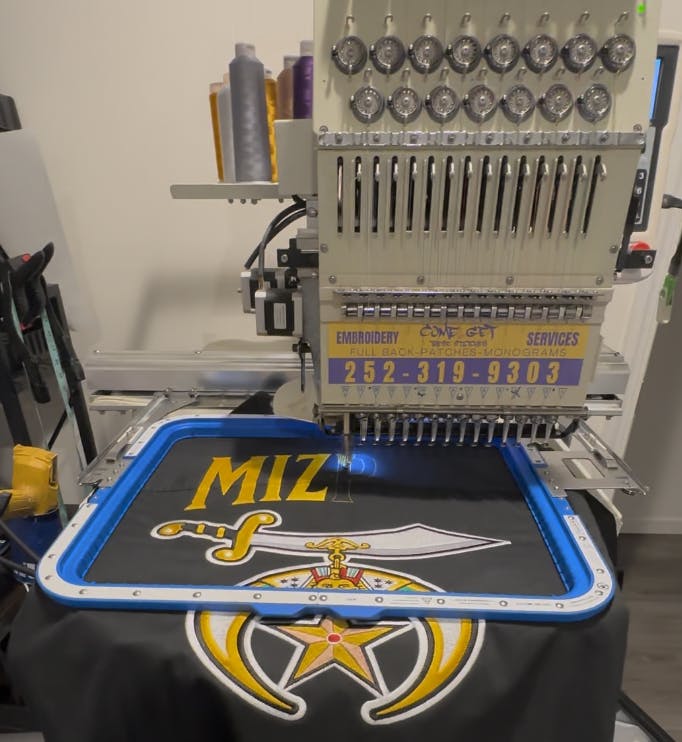
1. Introduction to Floral Machine Embroidery
Floral machine embroidery blends classic beauty with modern efficiency, from sarees and dupattas to blouses and home decor. This guide walks beginners and seasoned stitchers alike through friendly tutorials, trending ideas, and essential techniques—so your stitched blooms look crisp, dimensional, and ready for any garment. If you’re setting up your first rig, choosing the best embroidery machine for beginners can help you learn faster and stitch more confidently.
Table of Contents
- 1. Introduction to Floral Machine Embroidery
- 2. Beginner-Friendly Floral Embroidery Tutorials
- 3. Inspiration for Floral Designs on Garments
- 4. Essential Techniques and Efficiency Tips
- 5. Types of Floral Designs and Applications
- 6. Free and Premium Design Resources
- 7. Troubleshooting and Machine Optimization
- 8. Conclusion: Mastering Floral Machine Embroidery
- 9. FAQ: Floral Embroidery Essentials
2. Beginner-Friendly Floral Embroidery Tutorials
Learning floral machine embroidery is like growing a garden—start small, practice often, and your skills will blossom.
2.1 Core Techniques for Simple Flower Patterns
Appliqué method
Use placement stitches to secure petal and leaf fabrics to a stabilizer or base fabric. Outline shapes with satin stitching for clean edges. Trim excess fabric close to the stitch line with sharp scissors or spring-action clippers to prevent fraying.
Stabilizer selection and hooping
Choose water-soluble stabilizer for freestanding florals or 3D effects. Hoop fabric and stabilizer tightly to avoid distortion; for dense stitching, tear-away stabilizer adds support.
Color management and thread sequencing
Plan thread order with color change sheets and preview palettes in embroidery software. Layer tones for depth (gradients on petals, contrast centers). For tidy backs, match bobbin thread to the top thread.
Design software basics
Create simple florals with vector tools (e.g., Inkscape or Affinity Designer), then refine stitch types and densities in embroidery software such as Hatch or Wilcom. Community feedback can spark new ideas.
Tips from video tutorials
Beginner videos showing small flower motifs demonstrate fabric placement, stitching, and trimming—perfect for all-over work on sarees, dupattas, kurtis, or blouses.
Design considerations for beginners
- Favor rounded petals and minimal layers until satin stitching feels natural.
- Use lighter fills behind foreground blooms to preserve drape.
- Try hybrid projects that mix machine embroidery with simple hand stitches for texture.
Essential tools and materials
- Water-soluble stabilizer for freestanding elements
- Spring-action clippers for precise trimming
- Colorfast threads (metallics optional for accents)
Troubleshooting common issues
| Issue | Solution |
|---|---|
| Fabric Distortion | Tighten hoop; add tear-away stabilizer for dense areas |
| Uneven Stitches | Adjust tension; test on scrap fabric |
| Color Bleed | Use colorfast threads; pre-wash fabrics |
Trend watch
3D flowers and machine-plus-hand hybrids are rising. More beginners are drafting their own patterns in software, reducing reliance on pre-made files.
2.2 Recommended Starter Designs and Resources
| Resource | Focus | Key Features |
|---|---|---|
| Urban Threads 3D Flowers | Freestanding floral appliqué | Step-by-step petals, water-soluble stabilizer, trimming |
| Jaan Embroidery Designs | Beginner motifs | Structured videos, basic stitches, color changes |
| Mona Kollektiv Patterns | Printable PDFs | Simple bouquets, organic petals, hand/machine hybrids |
| LoveCrafts Guides | Hand-to-machine adaptable | Straight stitch, French knots, looped buttonhole |
YouTube insights
Small flower motif walkthroughs are ideal for all-over garment work and can scale for more dramatic pieces.
Beginner design tips
- Keep shapes simple and densities light for background motifs.
- Combine machine-stitched flowers with hand details for dimension.
If you’re comparing options, shortlisting an embroidery machine for beginners can make learning these techniques easier.
3. Inspiration for Floral Designs on Garments
Move beyond the basics with trend-led ideas and fabric-aware approaches for sarees, dupattas, blouses, and more.
3.1 2024 Floral Embroidery Trends
- 3D floral motifs add dimension with mixed threads and beads—great on blouses and dupattas.
- Peacock and metallic geometric accents bring a modern edge.
- Vintage machine embroidery designs with mirror work evoke Mughal-inspired nostalgia.
- Nature-driven vines and leaves in soft hues offer quietly elegant borders and pallus.
- Color trends: regal reds with gold, ethereal whites with lace or pearls, and dreamy pastels with intricate lace.
| Garment | Design Focus | Example |
|---|---|---|
| Saree Blouses | Back, sleeves, neckline | 3D florals with beads, peacock motifs |
| Saree Pallus | All-over or border patterns | Geometric vines, mirror-embellished leaves |
| Dupattas | Allover or corner motifs | Lightweight floral sprigs on chiffon/georgette |
Cultural influences include Kashmir’s chinar leaves and saffron blooms, Southern temple arches with lotus, plus bohemian paisleys and abstracts.
3.2 Fabric-Specific Design Strategies
- Silk/Chiffon: Use lighter threads and openwork; water-soluble stabilizer helps maintain drape.
- Cotton/Linen: Stable foundations welcome denser designs; tear-away stabilizer keeps edges crisp.
- Velvet/Georgette: Test metallics and beads on scraps to refine tension and alignment.
Pro tips
- Always test on scraps first.
- Tune stitch density to fabric thickness.
- Silk/satin threads suit formal wear; cotton/linen threads for casual pieces.
4. Essential Techniques and Efficiency Tips
The magic of a flowered finish comes from solid setup, clean stitch execution, and a smooth workflow.
4.1 Hooping and Stabilization Fundamentals
Why magnetic hoops matter
Traditional screw hoops can be finicky on thick or stretchy fabrics. A well-made magnetic embroidery hoop clamps evenly and quickly, reducing distortion and hoop burn while speeding setup.
Sewtalent’s edge
Sewtalent’s magnetic embroidery hoops use robust magnets and durable PPSU materials, with textured surfaces and guiding lines for accurate motif placement. With over 17 sizes compatible with most commercial and industrial machines, sewtalent magnetic hoops help keep fabric stable and aligned.
Choosing the right stabilizer
- Tear-away: A solid, easy-to-remove choice for most projects.
- Water-soluble: Ideal for delicate fabrics or freestanding florals; it dissolves after washing.
Hooping tips
- Cut stabilizer slightly larger than the hoop.
- For tricky fabrics, try floating: hoop the stabilizer, then place fabric on top with temporary adhesive.
Tension control
Tap the hooped fabric—aim for a crisp, drum-like feel. Test on scraps before the main piece.
4.2 Stitch Execution and Workflow Optimization
Mastering stitch types
- Satin stitch for smooth petals and leaves; adjust width for the look you want.
- Long-and-short stitch to blend gradients and add natural depth.
- Basting stitches to secure layers before the main run.
Workflow hacks
- Pre-cut appliqué shapes and stabilizers.
- Sequence threads in software to minimize stops.
- Always test-run on similar fabric.
Basting and floating
Hoop only the stabilizer for difficult fabrics, then baste around the design perimeter to prevent shifting.
Common pitfalls and quick fixes
| Issue | Solution |
|---|---|
| Puckering | Re-hoop with more tension; use the correct stabilizer |
| Misalignment | Check center marks and hoop orientation |
| Uneven Stitches | Adjust tension; test on scrap fabric |
5. Types of Floral Designs and Applications
Pick a style that matches your fabric, finish, and the statement you want to make.
5.1 Small Florals vs. 3D Effects
Small floral designs
Dainty roses, daisies, or mini bouquets suit collars, cuffs, and accessories.
- Low stitch density: typically 35–45 SPI to stay light on fabric.
- Limited palette for coherent, minimalist accents.
- Uses: clothing details, home decor, and small accessories.
3D puff embroidery
Raised designs built on foam underlay.
- Stitch density: 35–40 SPI tuned for foam.
- Underlay secures foam without crushing.
- Uses: caps, tote bags, jackets, or hoodies.
Watercolor effect embroidery
Layered threadwork and gradient blending mimic hand-painted florals.
- Density: 35–45 SPI for smooth shifts.
- Color depth from multi-tone layering.
- Uses: scarves, dresses, blouses, and ethereal home decor.
Floral mandalas
Symmetrical designs that pair flowers with geometric structure.
- High stitch density: 50–55 SPI for crisp detail.
- Multi-color gradients add depth.
- Uses: quilts, wall art, cultural textiles.
| Design Type | Stitch Density | Color Usage | Typical Applications |
|---|---|---|---|
| Small Florals | 35–45 SPI | Limited palette | Clothing, accessories, home decor |
| 3D Puff | 35–40 SPI | Bold, contrasting | Caps, tote bags, apparel |
| Watercolor | 35–45 SPI | Gradient blending | Garments, home textiles |
| Floral Mandalas | 50–55 SPI | Multi-color gradients | Quilts, wall art, cultural projects |
Consistent hooping with magnetic hoops for embroidery machines helps maintain shape when switching densities or layering textures.
5.2 Boho and Botanical Styles
Boho floral designs
- Eclectic mixes of large-scale florals, dots, and leaves in vibrant colors.
- Technical notes: Large Boho Floral at 6.0" W x 8.25" H hoop size, 56,522 stitches, 12 thread changes; Boho Floral Spray at 5.00" W x 5.32" H, 29,060 stitches, 7 thread changes; often uses 30 wt. cotton for bold texture.
- Applications: statement bags, jackets, and peasant tops.
Botanical and single-flower arrangements
Minimalist, chic single blooms (e.g., roses, hydrangeas) in monochrome or neutrals for modern interiors and events.
Eco-friendly trends
Many embroiderers favor organic cotton threads and recycled fabrics for botanical work.
Pro tip
For large or multi-layered designs, confirm hoop size and machine compatibility, plan thread changes, and test density on scraps.
6. Free and Premium Design Resources
Don’t start from scratch—tap into free downloads and curated collections to build your floral library.
6.1 Top Platforms for Floral Pattern Files
EmbroideryDesigns.com
- Library of 30 top-selling floral designs in ART, DST, EXP, HUS, JEF, PEC.
- Extras include home-format fonts, digitizing video tutorials, and free file conversion subscriptions.
- Note: some offers exclude Janome machines.
Embroideres.com
- Community-driven with 318 free floral files spanning abstract to modern (PES, VIP, VP3).
- Color charts and active forums support precise stitching and troubleshooting.
Annthegran.com
- Weekly free PDF patterns, hoop-size filters (4" x 4", 5" x 7", large/jacket back), and formats like DST and PES.
- Tip: broader search terms can surface more results.
File formats & compatibility
Popular formats include PES, JEF, DST, HUS, VP3, and EXP. Always confirm compatibility in your machine manual.
Licensing & community support
For commercial work, secure appropriate licenses or choose royalty-free designs. Forums and user feedback help solve technical challenges and inspire new ideas.
6.2 Bundles and Educational Materials
Discounted bundles from major platforms can quickly expand your design set—some include custom digitizing coupons or shipping deals (with occasional exclusions).
Step-by-step guides on digitizing software and hoop management—such as working confidently with a magnetic frame for embroidery machine—pair well with video tutorials that cover thread choice and setup.
Key considerations
- Match file size to your hoop.
- Read community feedback to discover favorites and avoid pitfalls.
7. Troubleshooting and Machine Optimization
Dialing in settings prevents puckering, breakage, and misalignment—so your blooms stay sharp from petal to stem.
7.1 Optimal Settings for Floral Stitching
Stitch density and type
- Petals & outlines: higher-density satin stitches for solid coverage and durability.
- Stems & leaves: lower-density straight or backstitch to avoid bulk and distortion.
- Always test on scraps and adjust density to resolve puckers or gaps.
Thread tension balancing
Start at defaults and fine-tune after a test; each thread type (cotton vs. metallic) may need a different setting.
Needle selection
Use sharp embroidery needles (size 75/11) for most floral work; match needle to fabric and thread weight.
Fabric handling and stabilizers
Stabilize stretchy or thin fabrics with tear-away or cut-away. After stitching, trim seam allowances to about 1/2 inch to reduce bulk.
Thread choices for vibrant results
| Thread Type | Properties | Best Uses |
|---|---|---|
| Cotton | Soft, flexible, vibrant | Cross-stitch, delicate surface embroidery |
| Rayon | Shiny, smooth | Traditional florals, formal wear |
| Polyester | Durable, colorfast | High-stress or outdoor projects |
| Metallic | Reflective, textured | Accents, geometric or abstract designs |
Sewtalent’s role
Even tension across the hoop reduces puckering and misalignment—especially on garments where placement matters.
Pro tip
Aurifil threads can help with reliable color matching; stranded cotton floss is useful for layered effects.
7.2 Solving Common Floral Embroidery Issues
| Problem | Likely Cause | Solution |
|---|---|---|
| Thread Breakage | Excessive tension, dull needle, low-quality thread | Lower tension, replace needle, use high-quality thread |
| Uneven Stitching | Wrong stabilizer, loose fabric, mismatched thread weight | Use correct stabilizer, rehoop fabric, match thread to fabric |
| Fabric Puckering | Insufficient stabilizer, overly dense stitching | Add stabilizer layer, reduce stitch density |
| Design Misalignment | Incorrect hoop placement, skipped stitches | Rehoop precisely, recalibrate alignment tools |
Extra tips
- For consistent stitches, match stabilizer and thread to fabric.
- Trim seam allowances to about 1/2 inch after embroidery for neater seams.
Design trends to watch
- Roses and lilies remain staples for home textiles.
- Abstract and geometric florals are gaining in apparel.
- Tropical motifs and leafy botanicals support eco-minded projects.
8. Conclusion: Mastering Floral Machine Embroidery
Master hooping, stabilizing, and machine settings to unlock creative freedom. Draw from trend ideas, experiment with threads, and lean on efficient tools like magnetic hoops to keep your focus on artistry. Keep testing, keep stitching, and watch your embroidery garden flourish.
9. FAQ: Floral Embroidery Essentials
9.1 Q: What stabilizer should I use for floral machine embroidery?
A: Tear-away works for most fabrics; choose water-soluble for delicate or sheer textiles and freestanding florals.
9.2 Q: Which thread types are best for floral embroidery?
A: Cotton blends softly for delicate looks, rayon adds shine for formal pieces, and polyester offers durable colorfast results.
9.3 Q: How do I prevent puckering in my embroidery?
A: Use the correct stabilizer, hoop firmly, and avoid overly dense stitching on lightweight fabrics.
9.4 Q: What’s the best way to scale floral designs for different projects?
A: Resize in embroidery software and test on scrap fabric to confirm stitch quality and density.
9.5 Q: How do I choose the right needle for floral embroidery?
A: A sharp embroidery needle (size 75/11) suits most projects; match the size to your fabric and thread weight.
Muy contenta con mis nuevos bastidores. Además, me gustaría hacer una mención especial a la atención al cliente, tuve algunos problemas con el envío y Olivia fue muy atenta y me ayudó durante el proceso.
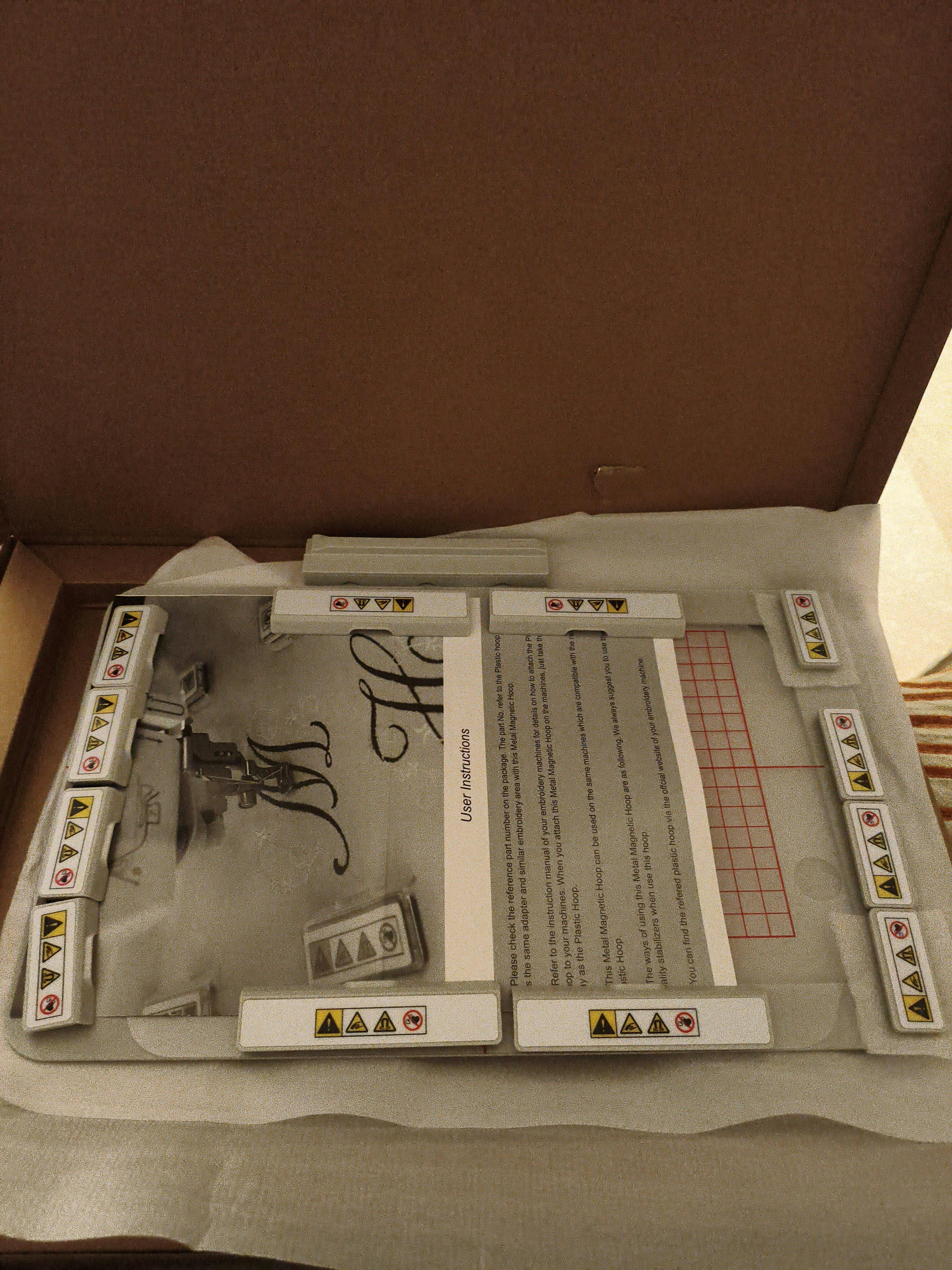
They were great@ They were able to get me on the right track. They were attentive and a great help! I am ready to start with my new hoops. I like the fact that they are somewhat freearm.
Cant wait to my pockets allows me to order more for our business