1. Introduction: Unlocking the Power of Tear Away Stabilizer
Tear away stabilizer is the behind-the-scenes support that delivers crisp, professional embroidery on non-stretch fabrics. Whether you run a busy studio or just threaded your first needle, mastering this temporary backing will elevate your results. You will learn what tear away is, how it behaves, where it shines, and how to apply and remove it without stress. We will also cover compatible fabrics, problem-solving, and advanced techniques.
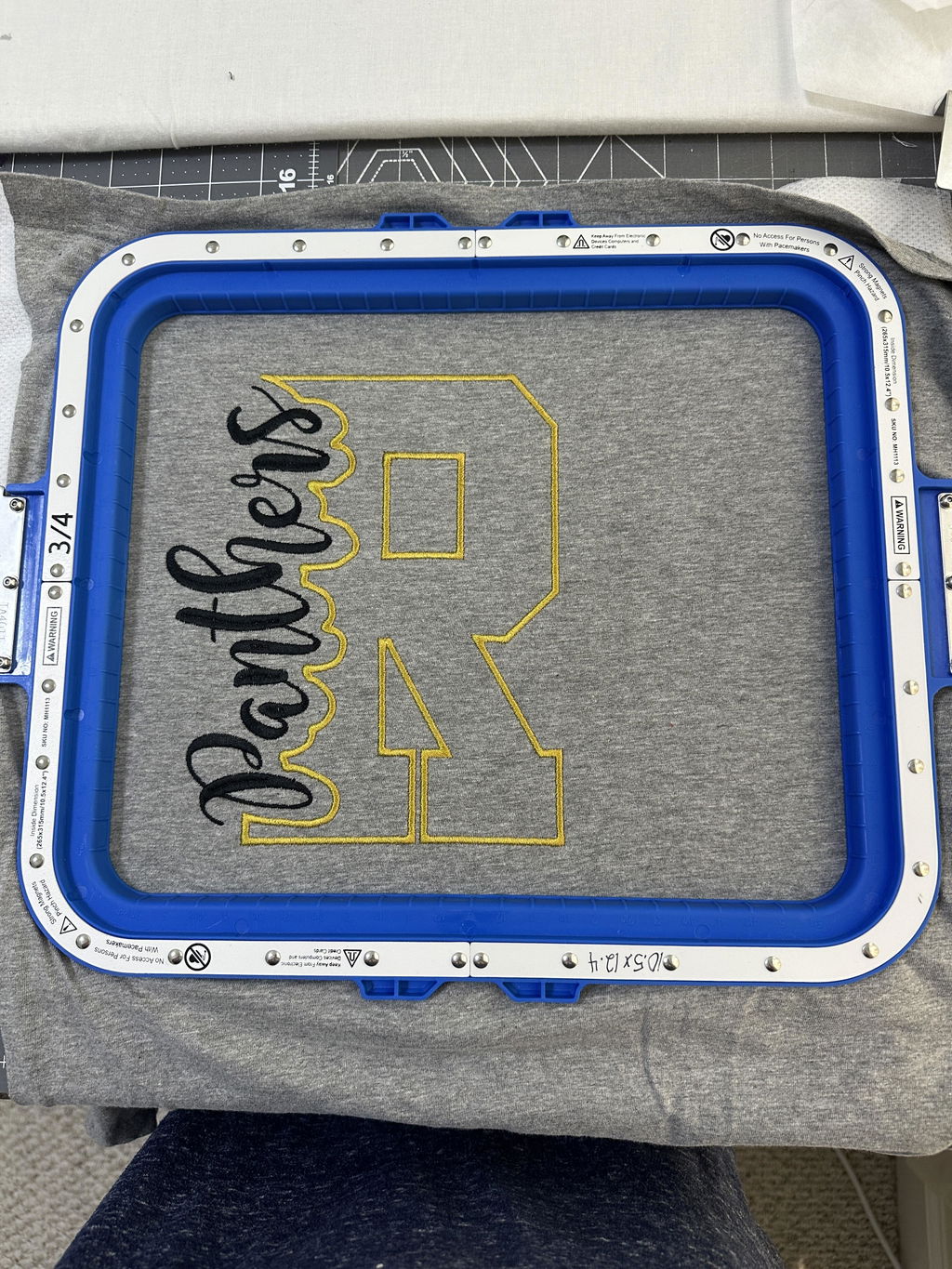
Proper hooping with magnetic embroidery hoops calls for aligning the stabilizer grain vertically to minimize stretch and misalignment. Ready to prevent puckering, speed up the process, and get flawless finishes? Let’s dive in.
Table of Contents
- 1. Introduction: Unlocking the Power of Tear Away Stabilizer
- 2. What Is Tear Away Stabilizer? Core Definition and Essential Uses
- 3. Application Techniques and Troubleshooting Guide
- 4. Ideal Fabrics and Design Pairings
- 5. Tear Away vs. Cut Away vs. Wash Away: Comparative Analysis
- 6. Brand Deep Dive: Kimberbell Product Variations
- 7. Advanced Applications and Cost-Effective Alternatives
- 8. Conclusion: Key Takeaways for Flawless Results
- 9. FAQ: Tear Away Stabilizer Essentials
2. What Is Tear Away Stabilizer? Core Definition and Essential Uses
Tear away stabilizer is a temporary, non-woven support used during machine embroidery. Its job is to stop fabric from shifting, stretching, or distorting under thousands of stitches. After stitching, it tears away cleanly so the back remains neat with no visible backing.
2.1 Material Composition and Key Properties
Made from a non-woven web of synthetic or natural fibers, tear away offers enough strength for stitching yet tears off neatly when finished. Most options are acid-free and lead-free, making them suitable for skin-contact projects and repeated washing.
Embroidery hoop sizes should match your stabilizer weight selection ranging from lightweight to heavy options:
- Lightweight (2.0 oz/57g): Best for low-stitch-count designs on stable fabrics.
- Medium (11 oz): Ideal for medium-to-high stitch counts and daily use.
- Heavy (12 oz): Suited to dense designs on thick materials like leather or heavy canvas.
A notable trait is its grain-free structure, which tears evenly in any direction, simplifying hooping and trimming.
2.2 Primary Applications in Machine Embroidery
Tear away excels when you want temporary support and a clean back on the finished piece.
| Application | Fabric Types | Design Characteristics |
|---|---|---|
| Bags, hats, towels | Cotton, canvas, terrycloth | Medium-to-high stitch density |
| Appliqué designs | Quilt cotton, denim, vinyl | Large open areas, intricate edges |
| Leather, velvet, fleece | Non-stretch, textured materials | Low-to-medium stitch counts |
| Hoopless embroidery | Napped fabrics, bulky items | Adhesive-backed tear away recommended |
Tear away is not a good match for stretchy knits or projects that need permanent support. Use cut away for those cases.
Tear Away vs. Cut Away: At a Glance
| Feature | Tear Away | Cut Away |
|---|---|---|
| Fabric Type | Non-stretch (cotton, denim, leather) | Stretchy (knits, sweatshirts) |
| Removal Method | Torn away completely | Cut around design, backing remains |
| Stitch Support | Medium-to-high density | High-density, complex designs |
| Post-Stitching Finish | Clean back, no stabilizer visible | Stabilizer remnants visible |
| Durability | Temporary support | Permanent backing, wash resistant |
Best Practices:
- Match stabilizer weight to fabric and stitch count: light for small motifs, medium or heavy for dense patterns.
- Use adhesive variants for hard-to-hoop surfaces like velvet or leather.
- Support stitches with one hand while tearing away to protect the design.
3. Application Techniques and Troubleshooting Guide
Success with tear away comes down to technique. Here are practical methods and fixes to keep your results consistent and your workflow smooth.
3.1 Hooping Methods for Different Fabrics
| Method | Description | Best For |
|---|---|---|
| Standard Hooping | Layer stabilizer and fabric in the hoop, then tighten the inner ring. | Stable woven fabrics (cotton, denim) |
| Sticky Stabilizer | Hoop sticky tear away, expose adhesive, place fabric on top. | Delicate or textured fabrics (velvet) |
| Floating Stabilizer | Slide tear away under hooped fabric without securing it in the hoop. | Thick or rigid materials (leather) |
Key Tips:
- Align the stabilizer grain vertically when present to reduce stretch.
- Do not over-tighten the hoop; it can distort fabric and stabilizer.
- For garment embroidery, Sewtalent magnetic embroidery hoops provide even tension and help avoid hoop burn; pair them with a magnetic hoop when securing tricky layers.
3.2 Removal Best Practices and Puckering Prevention
- Support the stitches with one hand while tearing with the other.
- Tear away from the stitch line, starting at the edge and working outward.
- If layered, remove one stabilizer layer at a time.
- Trim excess stabilizer close to the design before tearing for a cleaner finish.
Preventing Puckering and Gaps:
- Match stabilizer weight to both fabric and stitch density.
- Fuse a backing to the wrong side before hooping to boost stability.
- Add a basting stitch around the hoop perimeter to lock layers.
- Use spray starch to keep fabric crisp while stitching.
3.3 Solving Common Challenges
- Residue in Intricate Areas: Small bits often wash out. If residue is unacceptable, switch to a wash-away stabilizer.
- Distortion and Puckering: Use tear away for stable wovens and cut away for stretch knits. Layer stabilizers for dense designs and remove them sequentially.
- Napped Fabrics (Sherpa, Fleece): Add a water-soluble topper to keep stitches from sinking, with tear away as the base.
- Adhesive Residue: Use rubbing alcohol after testing on a hidden area.
Pro tip: Test stabilizer type, thread tension, and hooping pressure on a scrap before the final pass.
Ready to upgrade your results? With the right stabilizer, reliable hooping, and thoughtful removal, you will stitch like a pro.
4. Ideal Fabrics and Design Pairings
Tear away is not a one-size-fits-all solution. Use it where its temporary strength and clean removal provide the most benefit.
4.1 Optimal Fabric Types
Tear away performs best on non-stretch, stable woven fabrics:
- Cotton: Crisp results for quilting or shirts.
- Denim: Sturdy enough for jackets, totes, and accents.
- Leather and Vinyl: Helpful for appliqué or light motifs.
- Silk and Linen: Stable yet delicate; suitable for heirloom pieces.
- Felt and Wool: Good for low-to-medium density designs.
Loosely woven or napped fabrics like terrycloth need care. Tear away can work for low-density designs on towels with proper underlay. For dense stitching, choose cut away. Kimberbell’s guidance reinforces matching stabilizer to both fabric stability and design complexity.
4.2 Design Compatibility and Limitations
Tear away’s sweet spot is low-to-medium density designs where you want a clean back.
| Design Type | Best With | Why |
|---|---|---|
| Low-density embroidery | Cotton, linen, denim | Minimal underlay, clean removal |
| Lightweight appliqué | Cotton, felt, silk | Supports fabric pieces without bulk |
| Visible-back projects | Terry cloth, organza, chiffon | No stabilizer remains after removal |
| Large open areas | Any stable woven | Avoids visible residue in unstitched zones |
For high-density designs (for example, beyond 10,000 stitches), tear away may be insufficient, causing puckering or trapped fragments. In those scenarios, cut away is the safer option, as echoed by Perplexity references and YouTube demonstrations.
Pro tip: Use embroidery digitizing software to test stabilizer choice and thread tension on your fabric sample before committing.
5. Tear Away vs. Cut Away vs. Wash Away: Comparative Analysis
Here is how the main stabilizer types compare across fabric stretch, stitch density, and end use.
5.1 Fabric Stretch and Stitch Density Guide
| Stabilizer Type | Ideal Fabric Types | Stretch Tolerance | Stitch Density Tolerance | Key Applications |
|---|---|---|---|---|
| Tear-Away | Woven non-stretch (cotton, denim, canvas, vinyl, leather) | Minimal to none | Low to medium | Towels, caps, structured garments, appliqué |
| Cut-Away | Stretchy/knit (jersey, fleece, performance wear) | High | High | T-shirts, polos, dense embroidery |
| Wash-Away | Sheer/washable (organza, tulle, chiffon) | Low | Low | Freestanding lace, monograms, delicate work |
Key insights:
- Tear away is the go-to for rigid, non-stretch fabrics and moderate stitch counts.
- Cut away is essential for stretch materials and dense stitching.
- Wash away is reserved for designs that must leave no trace, like lace.
5.2 Durability and Project Longevity
| Factor | Tear-Away | Cut-Away | Wash-Away |
|---|---|---|---|
| Durability | Temporary (removed after stitching) | Permanent (remains attached) | Temporary (dissolves in water) |
| Wash Resistance | Poor (removed) | Excellent | Poor (dissolves) |
| Best Use Case | Bulk projects, visible backs | Apparel, stretchy garments | Lace, monograms, delicate art |
Tear away is ideal for clean finishes where no backing should remain. Multi-needle users often reach for cut away on dense designs. Wash away vanishes completely on delicate or decorative work. On structured items, magnetic hoops for embroidery machines can streamline setup when pairing with tear away.
6. Brand Deep Dive: Kimberbell Product Variations
Kimberbell offers a thoughtful range of tear away weights and specialty options so you can tune support to your fabric and stitch count.
6.1 Weight-Specific Recommendations
| Weight | Stitch Count | Fabric Types | Key Applications |
|---|---|---|---|
| Light Tear-Away | ≤12,000 stitches | Lightweight (cotton blends, quilting) | Low-density, open designs (e.g., aprons, quilt blocks) |
| Medium Tear-Away | 15,000–25,000 stitches | Medium-weight (denim, terrycloth) | Zipper pouches, bench pillows, moderate density |
| Heavy Tear-Away | ≥25,000 stitches | Thick (leather, sweatshirt fleece) | High-density embroidery, multi-needle projects |
Pro tip: Heavier designs call for heavier stabilizers. Kimberbell precut sheets align neatly with embroidery machine software and are handy for common hoop sizes.
6.2 Specialized Solutions for Complex Projects
Kimberbell Sticky-Back Tear-Away secures awkward or bulky items directly to the stabilizer when hooping is impractical.
- How it works: Hoop paper-side-up, score and peel, then position the project.
- Standard vs. Adhesive: Regular tear away fits most jobs; sticky-back adds flexibility for non-traditional shapes.
- Sewtalent Magnetic Hoops Compatibility: Pair Kimberbell tear away with Sewtalent magnetic embroidery hoops for even tension and faster setup. Pairing with magnetic embroidery frames can further simplify alignment on garments.
7. Advanced Applications and Cost-Effective Alternatives
Tackle dense designs and keep costs in check with layered strategies and DIY stand-ins.
7.1 Multi-Layer and High-Density Techniques
Dense stitching and 3D effects often need more than a single layer.
Dual-Layer Stabilization with Fusible Backings:
- Start with heavyweight tear away under non-stretch fabrics, and fuse a stabilizer to the wrong side to lock fibers for dense or 3D work.
| Layer | Material | Purpose |
|---|---|---|
| Bottom | Heavyweight Tear-Away | Temporary support, easy removal |
| Top | Fusible Stabilizer | Anchors dense stitching or 3D elements |
Strategic Pairing:
- Use cut away where density peaks and tear away in open zones. Remove tear away first, then trim cut away.
Sticky Tear-Away on Sensitive Surfaces:
- Float delicate items to avoid hoop marks; add fusible mesh if extra control is needed.
Wash-Away Toppers on High-Pile Fabrics:
- A topper prevents stitches from sinking on towels while tear away supports from below.
Tips: Remove layers one by one while supporting the stitch area, and avoid tear away alone for very dense motifs.
7.2 Budget-Friendly DIY Solutions
- Coffee Filters: Iron flat; suitable for lightweight designs that tear away cleanly.
- Temporary Spray Adhesive: Convert regular tear away into a sticky option for floating fabrics.
- Fabric Scraps: Cotton, fleece, or flannel scraps can add structure behind heavy garments.
- Homemade Gelatin-Glycerin Stabilizer: An experimental wash-away option for tinkerers.
| Brand/Product | Use Case | Advantages | Limitations |
|---|---|---|---|
| Sulky Stick & Wash Away | Delicate fabrics | Adhesive, dissolves in water | Requires basting stitches |
| Pellon Stick & Tear Away | Knit fabrics (T-shirts) | Easy removal, preserves weave | May leave residue on thin fabric |
| Gunold/Sulky (Budget lines) | General embroidery | Affordable, widely available | Less specialized for complex |
Key considerations: Digitizing software for embroidery helps test stabilizer choice for lace or layered designs.
7.3 Step-by-Step Accessory Tutorials
Zipper Pouch Embroidery Tutorial
Materials:
- Two layers of tear away stabilizer
- Zipper pouch fabric (non-stretch cotton recommended)
- Zipper, embroidery thread, and design files
- Embroidery machine and compatible hoop
Steps:
- Prep Stabilizer: Cut two layers slightly larger than the hoop; hoop tightly.
- Sew Zipper Dieline: Stitch the placement, align the zipper, and run the tackdown.
- Add Fabric Pieces: Place the top fabric and stitch the tackdown outline.
- Remove Stabilizer: Tear away along edges while supporting stitches.
Tips: Use two layers of tear away for dense motifs, float delicate fabrics on pre-hooped stabilizer, and trace placement with iron-on tear away for precision.
Tote Bag Embroidery Tutorial
Materials:
- One to two layers of tear away stabilizer
- Tote bag (cotton, canvas, or denim)
- Embroidery thread and design files
- Large embroidery hoop
Steps:
- Prep Tote: Mark the center and clean the surface.
- Hoop Stabilizer: Cut to fit and hoop tightly; a magnetic frame for embroidery machine can simplify bulky totes.
- Embroider Design: Add a perimeter basting stitch to prevent shifting.
- Remove Stabilizer: Tear away excess and use tweezers for tight spots.
Pro tip: For garment embroidery, Sewtalent magnetic embroidery hoops keep tension even and speed setup.
8. Conclusion: Key Takeaways for Flawless Results
Use tear away stabilizer on non-stretch fabrics and low-to-medium density designs when you want a clean back. Match weight to fabric and stitch count, hoop with care, remove in layers, and experiment with toppers or fusibles. With a few tests and the right techniques, you will get consistent, professional results.
9. FAQ: Tear Away Stabilizer Essentials
9.1 Q: Can I use tear away stabilizer on knits?
A: No. Tear away is best on non-stretch, woven fabrics. For knits, use cut away for lasting support.
9.2 Q: Why does my stabilizer leave residue after removal?
A: Dense designs can trap fragments. Consider cut away or wash away for complex motifs where full removal matters.
9.3 Q: How many layers of tear away should I use for towels?
A: Use at least two layers on high-pile fabrics and add a wash-away topper. For embroidery machine for beginners users, tear away offers a forgiving way to practice.