

1. Introduction to Manual Embroidery Machines
Manual sewing embroidery machines are the hands-on bridge between pure hand craft and mechanical accuracy. With no screens, USB ports, or built-in patterns, every stitch is guided by the operator. Think of them as the analog cameras of needlework—tactile, immersive, and precise. Securing fabric in a magnetic embroidery hoop amplifies that control by keeping material stable while you guide the design.
Rooted in 19th-century innovation yet distinct from fully automated systems and needle-and-thread handwork, manual machines remain a favorite for makers who value true authorship in every line of stitching. In this guide, you will learn how they work, why they inspire artisans, how to set them up, and how to troubleshoot for consistent results.
Table of Contents
- 1. Introduction to Manual Embroidery Machines
- 2. Core Mechanics and Historical Evolution
- 3. Advantages and Practical Applications
- 4. Comparative Analysis: Manual vs. Automated vs. Hand Techniques
- 5. Setup and Operational Mastery
- 6. Creative Project Gallery
- 7. Troubleshooting and Maintenance
- 8. Conclusion: Embracing Manual Mastery
- 9. Frequently Asked Questions
2. Core Mechanics and Historical Evolution
2.1 Mechanical Operation Fundamentals
Manual embroidery relies on free-motion techniques. The feed dogs are disengaged, and the operator manually steers the fabric by hand or a crank mechanism. Stitch length, density, and type are set via physical controls on the machine.
Free-motion setups—often adapted from zigzag sewing models—require tight hooping so the fabric does not shift. Many creators use magnetic hoops for embroidery machines to maintain even tension as they trace patterns under the needle with steady hand movements.
A classic reference is the hand-guided Cornely machine, where a crank moves the fabric for precise decorative work. Certain models can lay sequins, cords, or braids, yielding one-of-a-kind results—an unmistakable fingerprint in thread.
2.2 19th-Century Innovations to Modern Relevance
Zigzag innovations by Helen Blanchard in the late 1800s enabled free-motion techniques, while Cornely machines emulated the Beauvais chain stitch and became couture staples. Despite the later rise of computerized embroidery for mass production, manual machines endured thanks to their unique, tactile output.
| Type | Description | Use Case |
|---|---|---|
| Free-Motion (Zigzag) | Adapted sewing machines, manual fabric movement | Home use, small-scale projects |
| Cornely Hand-Guided | Crank-operated for decorative precision | Professional, fashion embroidery |
Their lasting appeal blends tradition, direct control, and creative freedom.
3. Advantages and Practical Applications
3.1 Beginner-Friendly Accessibility
If you are comparing options as an embroidery machine for beginners shopper, manual models shine for intuitive use. There is no software to learn—just thread the machine, hoop your fabric, and stitch. This simplicity removes digital barriers and helps newcomers focus on technique and feel.
3.2 Portability and Project Versatility
Manual machines are typically compact and easy to transport—great for patchwork at a friend’s house, monogramming at events, or teaching in classrooms. They excel on small-scale pieces such as patches, monograms, and personalized gifts. The embroidery field is usually modest, so they are best for contained designs.
3.3 Cost Efficiency Analysis
Manual machines are often more affordable upfront than computerized systems and usually bring fewer maintenance hassles. For personal projects or small runs, they balance value and craftsmanship. As your ambitions grow, you can scale up—yet many makers find manual machines the sweet entry point into expressive embroidery.
4. Comparative Analysis: Manual vs. Automated vs. Hand Techniques
Choosing between methods is about matching artistry, efficiency, and value. Imagine three finished pieces: one from a computerized unit, one from a manual machine, and one done entirely by hand. They all impress—but each tells a different story.
4.1 Design Capabilities and Stitch Quality
Automated embroidery uses software-led precision for speed and repeatability, ideal for bulk and multi-position hooping. A manual setup is the hybrid sweet spot: you steer placement, density, and direction in real time—adjusting flourishes on the fly. Hand embroidery offers unmatched freedom and tactile charm, though time demands are significant. If you are coming from a general-purpose embroidery sewing machine, manual free-motion adds an artisanal layer of control.
| Aspect | Automated Embroidery | Manual Machines | Hand Embroidery |
|---|---|---|---|
| Stitch Density | Uniform, software-driven | Adjustable, operator-set | Variable, artist-controlled |
| Backside Feel | Stiff, dense | Moderate stiffness | Soft, visible stitches |
| Detail Handling | Programmed patterns | High precision, complex | Intricate, organic, elegant |
| Consistency | High (machine accuracy) | Moderate (user-dependent) | Low (human variability) |
Key takeaway: automated wins on speed and sameness, manual balances precision with expression, and hand embroidery sets the standard for bespoke texture.
4.2 Value Proposition Across Methods
Cost per unit favors automation for large orders. Manual machines suit small to medium runs where uniqueness matters. Hand embroidery commands the highest price due to time and artistry.
| Factor | Automated | Manual Machines | Hand Embroidery |
|---|---|---|---|
| Cost per Unit | Low | Moderate | High |
| Perceived Value | Commercial | Artisanal | Luxury/Heirloom |
| Durability | Moderate | High | Exceptional |
In short: automated is the workhorse, manual is the artisan’s bridge, and handwork is the heirloom showstopper.
5. Setup and Operational Mastery
Mastery comes from clean threading, firm hooping, and deliberate pattern execution.
5.1 Threading and Tension Optimization
Follow a consistent path: prepare clean thread ends; route the upper thread through the rectifier, tension plates, and guides; load the bobbin so thread feeds counterclockwise, then bring up the bobbin loop with the hand crank. Test tension on scrap and adjust upper or bobbin dials as needed. Machines like the Happy Japan HCS3 streamline threading with clearer access. When changing colors, tie on the new thread and gently pull it through to save time.
Troubleshooting signals include breakage from poor threading, tension imbalance, dull or bent needles, or debris in the thread path. Re-thread with the presser foot up, change needles every 1–2 projects, and clean lint frequently.
5.2 Hooping Techniques for Flawless Results
Pair fabrics with stabilizers: tear-away for lighter materials, cutaway for heavier ones. Layer stabilizer beneath the fabric, center on hoop reference lines, and clamp the frames so the fabric is taut without distortion.
Many creators also rely on magnetic embroidery frames to speed setup and hold layers evenly.
Introducing Sewtalent Magnetic Hoops: For garment embroidery, Sewtalent’s magnetic hoops dramatically reduce screw fiddling. Setup can be up to 90% faster, hoop burn is minimized, and tension remains even across delicate silks or thick denim. They are ergonomic, durable, and broadly compatible. Note: Sewtalent hoops are for garments, not caps or hats.
5.3 Pattern Execution Workflow
Trace your design with water-soluble pen or chalk and align with hoop reference marks. Preview alignment before stitching—tiny shifts can snowball. Some manual machines include projectors or cameras to preview placement; use alignment stickers or camera-based points to set needle drop precisely.
Always run a test on scrap, tune stitch density and direction for the fabric, and monitor for shifting or thread issues as you stitch.
6. Creative Project Gallery
6.1 In-the-Hoop Treasures
Project: Zipper pouches and coasters are classic ITH projects you can complete entirely within the hoop.
Materials:
- Stabilizer (tear-away or cutaway)
- Fabric (front and back)
- Zippers for pouches
- Embroidery thread
Steps:
- Print dielines and cut fabric accurately.
- Hoop stabilizer, then layer fabrics per the dielines.
- Insert the zipper at designated color stops (for pouches).
- Trim excess stabilizer and fabric for clean edges.
Precision matters: magnetic embroidery hoops provide superior hold for multi-layer builds and slippery or thick textiles, helping keep everything aligned.
6.2 Advanced Textural Techniques
- Freestanding Lace (FSL): Stitch on water-soluble lace stabilizer, then rinse for delicate, self-supporting pieces.
- 3D Puff Embroidery: Place foam beneath satin stitches to create raised motifs for logos or bold accents.
- Chenille and Digitized Depth: Use velvety or metallic threads to add plush texture, shadows, and highlights.
Market notes: 3D embroidery is trending strongly for apparel and accessories, and ITH projects remain popular for their streamlined workflows.
Design tips: Match stitch density to fabric—satin for smooth surfaces, denser fills for texture. Combine embroidery with sewing for functional decor.
Troubleshooting: Switch to embroidery-specific needles for breakage and rehoop if designs drift.
7. Troubleshooting and Maintenance
Understanding how to use an embroidery machine prevents common issues. Choosing a stable magnetic hoop and maintaining clean thread paths reduce breaks and misalignment.
7.1 Resolving Thread and Alignment Failures
Common causes of thread breaks include improper threading, tension imbalances, low-quality thread, needle wear, and debris. Re-thread with the presser foot up, test and tune tension, use embroidery-grade thread, and replace needles regularly. Clean guides and tension discs to keep the thread path smooth. Magnetic hoops, such as those from MaggieFrame, can tame fabric distortion and help lower breakage.
| Strategy | Implementation | Impact |
|---|---|---|
| Tension Calibration | Check upper (25–35g) and bobbin tension before each project. | Reduces thread breaks and stitch inconsistencies. |
| Needle Rotation | Replace needles every 1–2 projects or when stitches look uneven. | Prevents fraying and skipped stitches. |
| Thread Path Maintenance | Clean guides daily; replace tension discs every 6 months. | Ensures smooth thread flow and consistent tension. |
| Magnetic Hoop Adoption | Use N50-grade magnetic hoops for garments. | Reduces thread breaks by 40% and prevents hoop burns. |
| Problem | Common Causes | Solutions |
|---|---|---|
| Thread Looping | Incorrect tension or threading | Adjust tension, re-thread, clean thread path |
| Skipped Stitches | Dull needle or improper threading | Replace needle, re-thread, ensure proper needle insertion |
| Needle Breakage | Wrong needle type or insertion | Use fabric-appropriate needles, insert correctly |
| Excessive Noise | Lack of lubrication or debris | Clean moving parts, apply machine oil as per manual |
8. Conclusion: Embracing Manual Mastery
Manual embroidery machines offer hands-on creativity and tactile satisfaction that computerized systems cannot replicate. Master threading, hooping, and alignment, and you will unlock expressive, one-of-a-kind work—stitch by stitch.
9. Frequently Asked Questions
9.1 Can manual embroidery machines handle thick fabrics?
Yes. Many manual machines can manage a wide range of fabrics, from delicate silks to sturdy denims. Use correct needles and stabilizers, and consult your manual.
9.2 How do I maintain a vintage manual embroidery machine?
Clean and oil moving parts regularly, and replace worn components such as needles or tension discs. Follow the manufacturer’s recommendations or consult a technician for complex repairs.
9.3 What should I do if my stitches are skipping or uneven?
Replace a dull or bent needle, re-thread both upper and bobbin paths, test on scrap, and adjust tension incrementally until stitches are even.
9.4 How often should I replace my embroidery needle?
As a rule of thumb, every 1–2 projects or whenever you notice fraying, skipped stitches, or resistance.
9.5 What is the best way to prevent thread breaks?
Ensure proper threading, use embroidery-quality threads, keep tension balanced (typically 25–35g for upper), and clean lint frequently. For stubborn issues, consult your model’s troubleshooting guide.
Ready to keep learning? With care, testing, and a creative mindset, your manual machine can deliver exceptional results.
Super , Artikel. Schnelle Lieferung
Best hoops fast and easy to use.
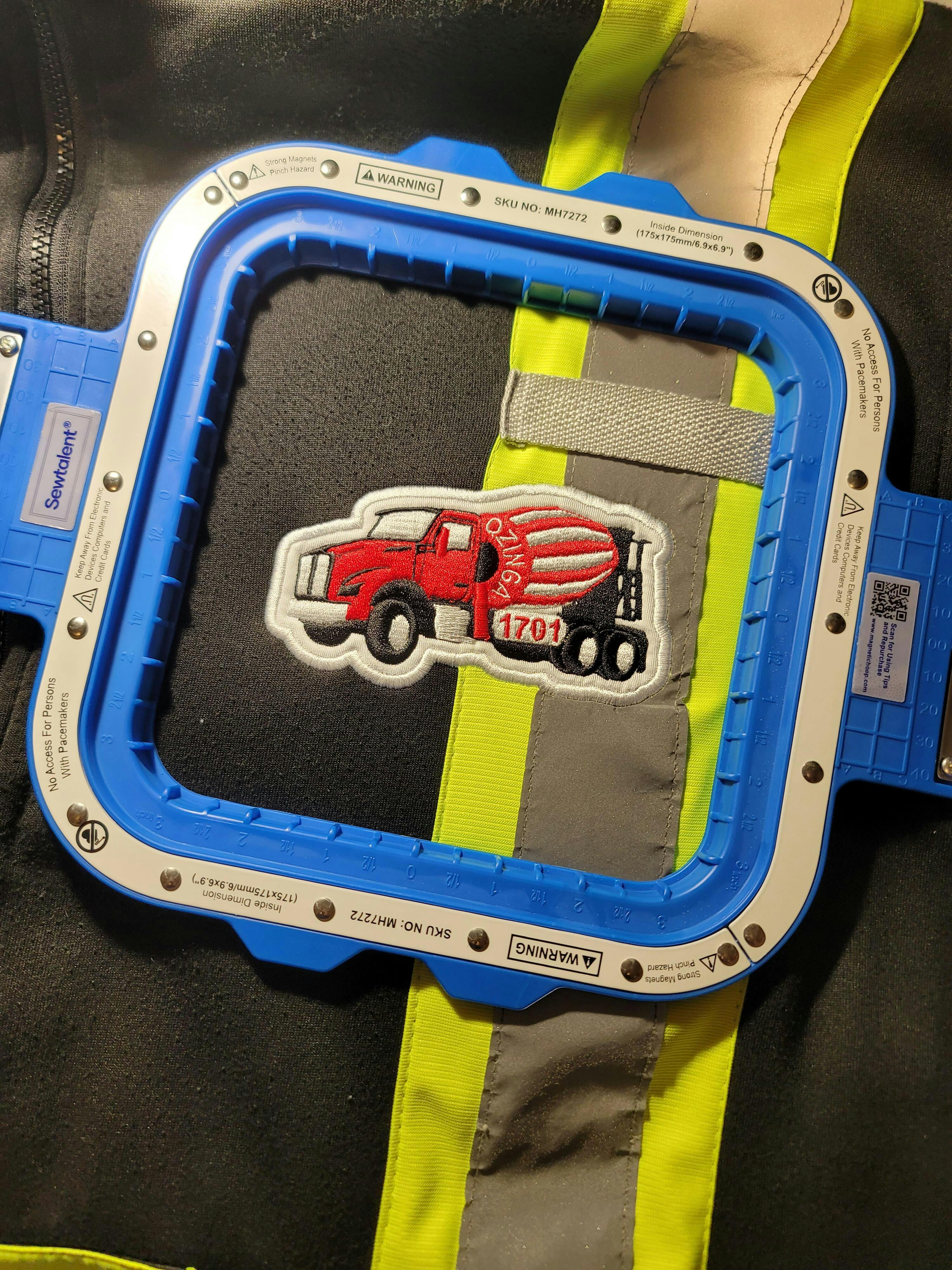
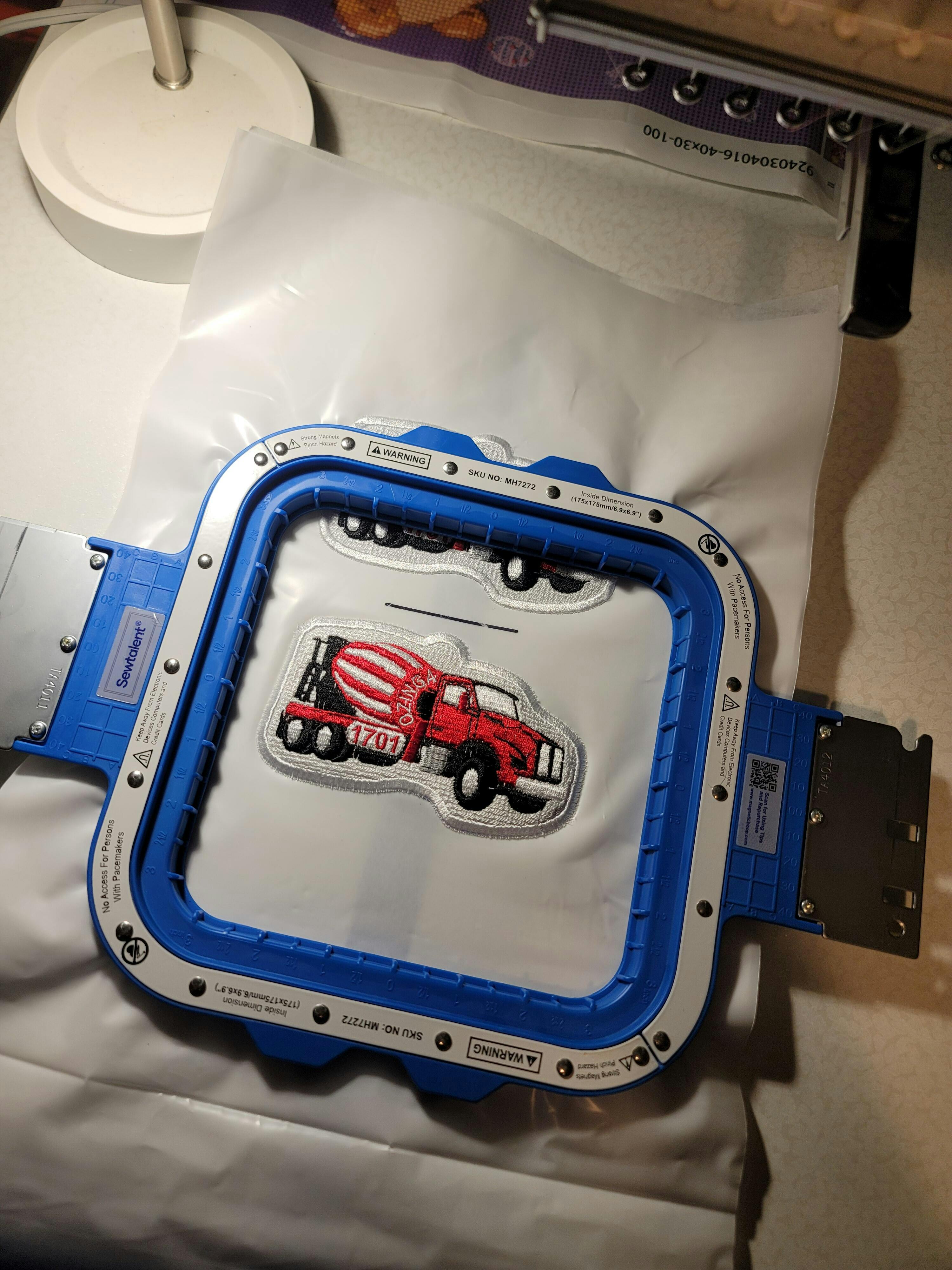
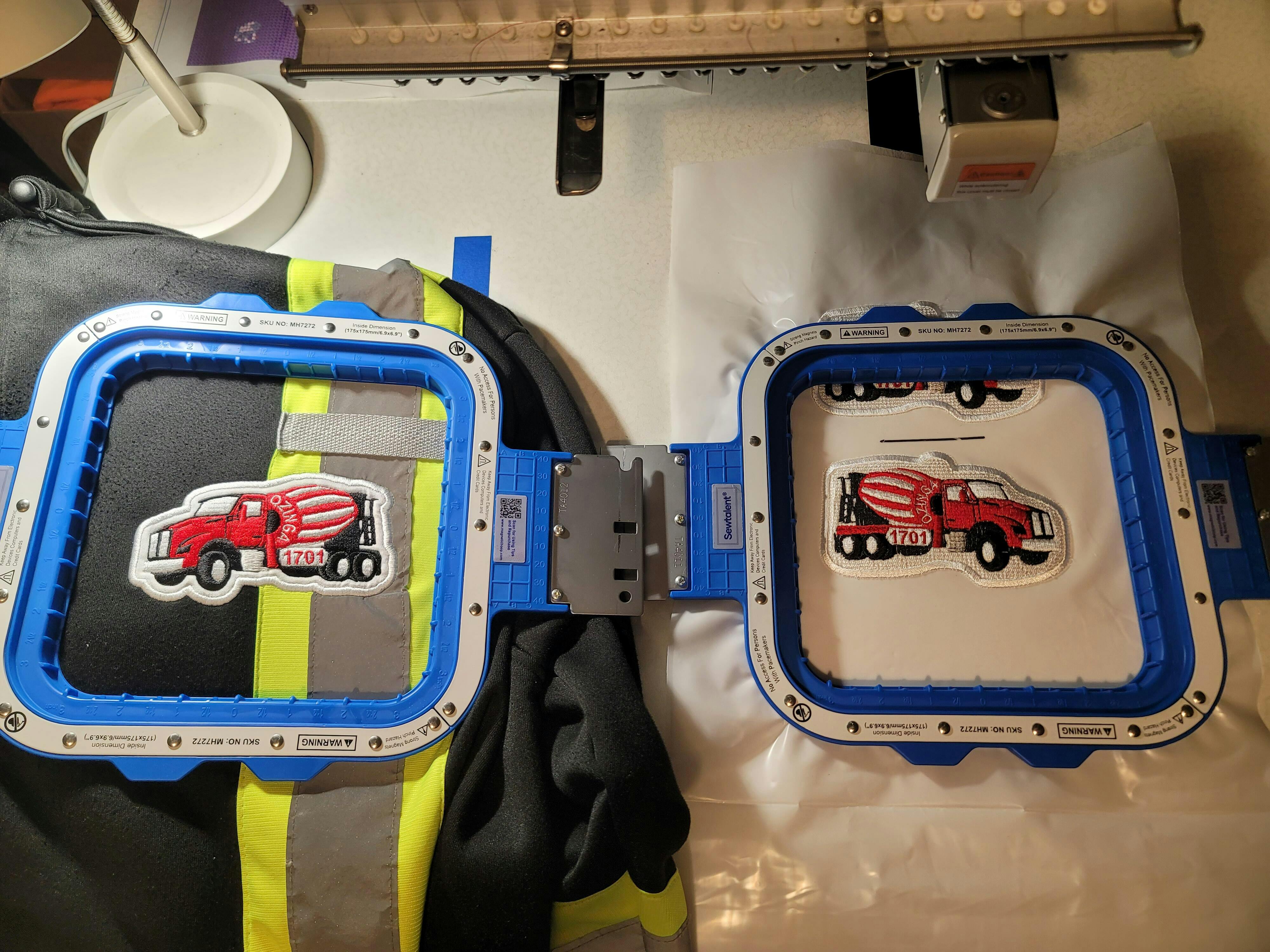
It took a little long to get here, but that's because I'm impatient. Other than that it's every thing I absolutely needed.
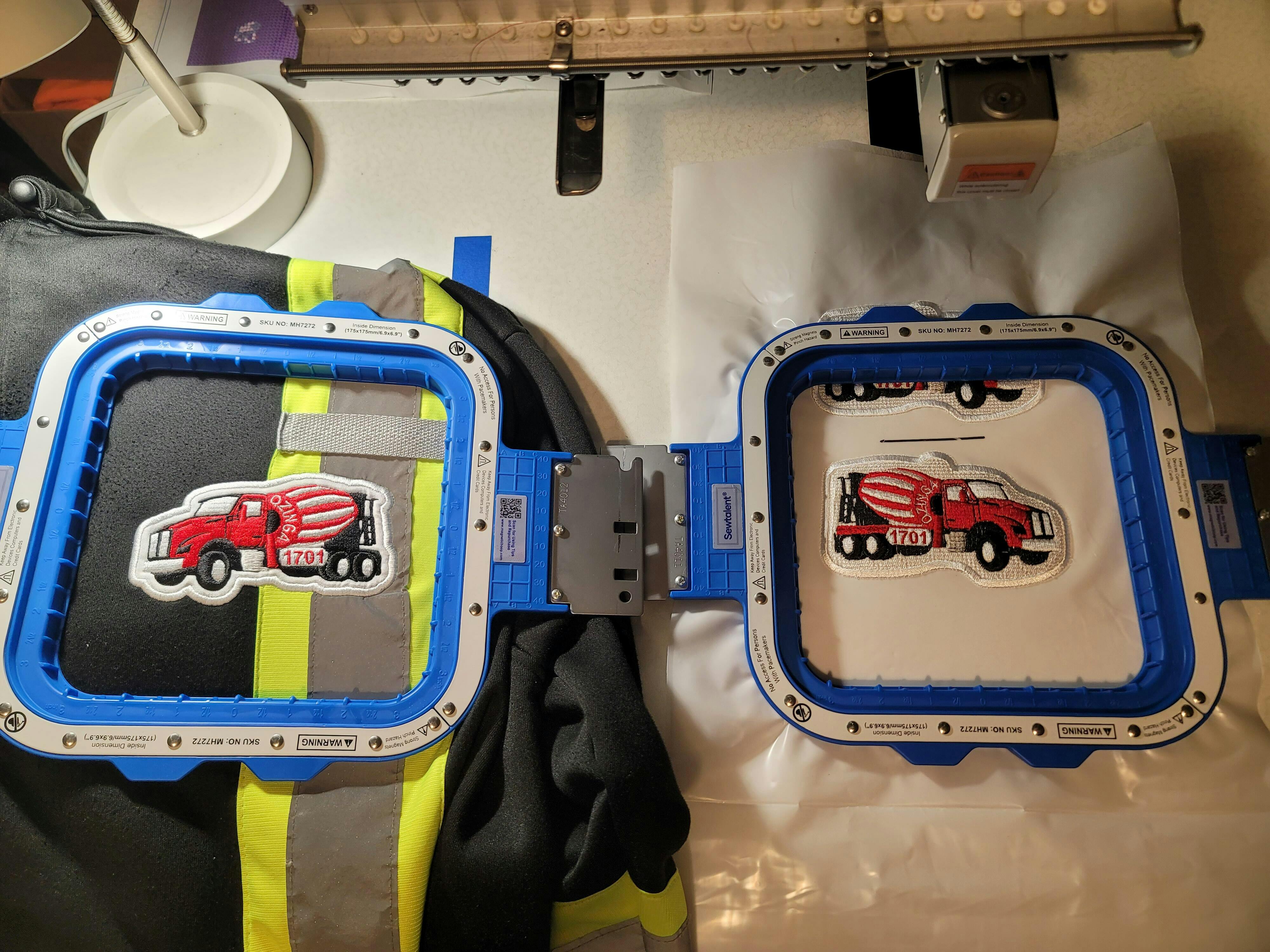
Fantastic quality. The hoops are strong and hold the fabric firmly, which helps me complete my patch runs efficiently. I have three embroidery machines and all of them use Magnetichoops. I ordered two additional hoops today because the products and service are consistently superb.
Lovely hoops. They are exceptionally strong and support fast, smooth production of my patches. I use three embroidery machines, and all of them work with Magnetichoops. The customer service is excellent. I ordered two more today because the quality of these hoops is consistently outstanding.
