1. Introduction to Janome's Historical Legacy
For more than a century, Janome has advanced sewing technology, growing from a 1921 Japanese workshop into a global name for innovation, reliability, and precision. From Japan’s first domestically produced sewing machine to the round bobbin that inspired the Janome name, and on to programmable home machines and integrated embroidery, the brand’s milestones shaped how people sew at home. This guide maps models by year highlights, discontinued machines, technical details, and maintenance resources so you can make confident choices.
Whether you sew on a janome embroidery machine or collect early mechanicals, this is your roadmap to Janome’s evolution and practical support.
Table of Contents
- 1. Introduction to Janome's Historical Legacy
- 2. Janome Model Evolution: 1920s to Modern Day
- 3. Retired Janome Models and Second-Hand Market Insights
- 4. Technical Specifications and Parts Compatibility
- 5. Year-over-Year Model Comparisons
- 6. Accessing Manuals and Maintenance Guides
- 7. Identifying Manufacturing Years via Serial Numbers
- 8. Conclusion: Janome's Enduring Impact
- 9. FAQ: Janome Models by Year
2. Janome Model Evolution: 1920s to Modern Day
Janome’s history mirrors the changing needs of sewists, continually pushing design forward.
2.1 Foundational Innovations (1920s–1960s)
In 1921, Yosaku Ose and partners founded the Pine Sewing Machine Factory and launched the Model 53 (Pine 500 type), Japan’s first domestically produced sewing machine. By 1929, the Model 30 (Pine 100 type) introduced a vertical half-turn shuttle, boosting home efficiency. The Janome trademark arrived in 1935, inspired by the round bobbin’s snake’s eye look. In the 1960s, acquiring New Home expanded reach, and a 1964 Tokyo research lab accelerated R&D for the computerized era.
2.2 Computerization Era (1970s–2000s)
In 1971, the ZZ Sewing Machine brought programmable, computerized functions to industry. The 1979 Memory 7 made history as the first programmable computerized home sewing machine. The Memory Craft 6000 (1983) added advanced computer controls and a wide stitch library, while the Electro Press (JP-20) in 1984 highlighted quieter DC servomotor tech.
Home embroidery leapt forward with the Memory Craft 8000 (1990). The Memory Craft 6500P (2003) became the first long-arm quilting machine for home use. Early 2000s models like the Memory Craft 10000 unified sewing, embroidery, and quilting with wireless connectivity and robotic automation. Manufacturing scaled across Japan, Taiwan, and Thailand, supported by acquisitions such as Elna and New Home.
| Year | Model | Innovation |
|---|---|---|
| 1921 | Model 53 | First domestically produced sewing machine in Japan |
| 1979 | Memory 7 | First programmable computerized home sewing machine |
| 1990 | Memory Craft 8000 | First home embroidery machine with professional-grade features |
| 2003 | Memory Craft 6500P | First long-arm quilting machine for home use |
Janome’s trajectory consistently aimed to make sewing more creative, efficient, and accessible.
3. Retired Janome Models and Second-Hand Market Insights
Janome’s long legacy has produced many retired machines that still matter to sewists, restorers, and collectors.
3.1 Key Discontinued Series
Professional Series - 1600P/1600PDBX: Heavy-duty straight-stitch, popular in the 2000s. - Memory Craft 6700P/9450: Advanced quilting/sewing, succeeded by Horizon models. - Continental M7: High-end quilting, with refurbished units available as of 2023.
Computerized Models - 4120QDC-T: Mid-range, refurbished units around $649. - DC4030P: Portable, basic computerized, refurbished for $299–$349. - Magnolia 7330: Replaced by newer Magnolia models.
Mechanical Models - 105/106/107/108/109/110: Basic, likely from the 1980s–1990s. - 625E Sewist: Economy tier, updated by newer Sewist series.
Sergers and Compact Models - 134D: Basic serger, retired alongside older MyLock models. - 639/661 (Jem Gold 2): Compact mechanical, discontinued.
Release and Retirement Patterns - Top-of-the-Line Embroidery: Memory Craft 15000 (retirement expected 2023–2024), 12000/11000 predecessors now retired. - Quilting/Heavy-Duty: HD2200 (refurbished at $329), Continental M6/M7 (M7 at $4,999 refurbished). - Budget/Mid-Range: C30 ($229 refurbished), Sewist 780DC (replaced by newer models).
| Model | Refurbished Price Range | Key Features |
|---|---|---|
| 4120QDC-T | $649 | Computerized, 30+ stitches |
| DC4030P | $299–$349 | Basic computerized, portable |
| Continental M7 | $4,999 | Professional quilting, large throat |
| HD2200 | $329 | Heavy-duty, straight stitch |
Data sourced from authorized dealers like Ken’s Sewing Center and iCanHelpSew.com.
Tips - Janome does not consistently publish release years, so dating can be imprecise. - Regional status may vary; some models stay active in certain markets. - For repairs or second-hand purchases, prioritize authorized dealers and Janome’s retired manuals portal. - User forums (e.g., Groups.io) help with experiences and software updates.
3.2 Maintenance Tips for Older Machines
Older machines, such as the Janome 7025, may use halogen lamps that can overheat and damage the lamp cover if poorly maintained. Ensure the cover fits correctly and remains dust-free. If available, prefer LED lamps for cooler, safer lighting. Modern janome magnetic embroidery hoops can also improve results on delicate fabrics by maintaining even tension and reducing slippage.
When restoring or frequently using a vintage Janome, upgrading accessories pays off. Today’s magnetic embroidery hoops for janome offer strong, uniform grip and faster setup than traditional hoops, helping prevent hoop marks and fabric creep.
Regular cleaning, timely lamp replacement, and thoughtful upgrades will keep classics running smoothly for years.
4. Technical Specifications and Parts Compatibility
Janome’s innovation includes component choices that support longevity and practical repairs.
4.1 Decoding Model-Specific Components
Shared Components Across Generations - Hook cover plates: Cross-compatible in models such as MC9900, MC15000, Skyline S7/S5/S3, and AMH series. - Needle thread units: 3160QDC, 4120QDC, 5300QDC, DC4030, and older 2040 and 3022 use similar assemblies. - Bobbin cases: Universal designs in mechanical models like the Sew Mini and Sew Petite simplify swaps.
Technical Advancements by Era
| Era | Representative Models | Technical Advancements |
|---|---|---|
| 1970s–80s | Memory 7, early mechanicals | Basic programmability, limited stitch options |
| 1990s–2000s | Memory Craft 8000, 8900QCP | Home embroidery, computerized controls |
| 2010s+ | Continental M7, Skyline S7 | Wireless connectivity, high-speed stitching |
Compatibility Considerations - Cross-model parts streamline repairs and reduce waste. - Series-specific parts (e.g., hoops, presser feet) often interchange within Horizon, Skyline, and Professional series. - For retired favorites like 1600P, Cover Pro 900CP, and MyLock 134D, verify details via retired parts databases or manuals.
Key Data Points - Stitch range: Mechanical machines often offer 12–30 stitches; computerized models reach 30–120+. - Speed: Professional models such as the Continental M7 can hit up to 1300 spm; standard mechanicals are around 800 spm. - Weight: Compacts like Sew Mini are about 7 kg; pro models can exceed 20 kg.
Always confirm compatibility in your user manual or official support PDFs.
4.2 Optimizing Machine Performance
Thread Tension Balanced tension is essential. Many computerized machines adjust automatically, while mechanicals provide easy manual control. Some quilting models are calibrated for 50 wt thread; most all-purpose threads are 40 wt.
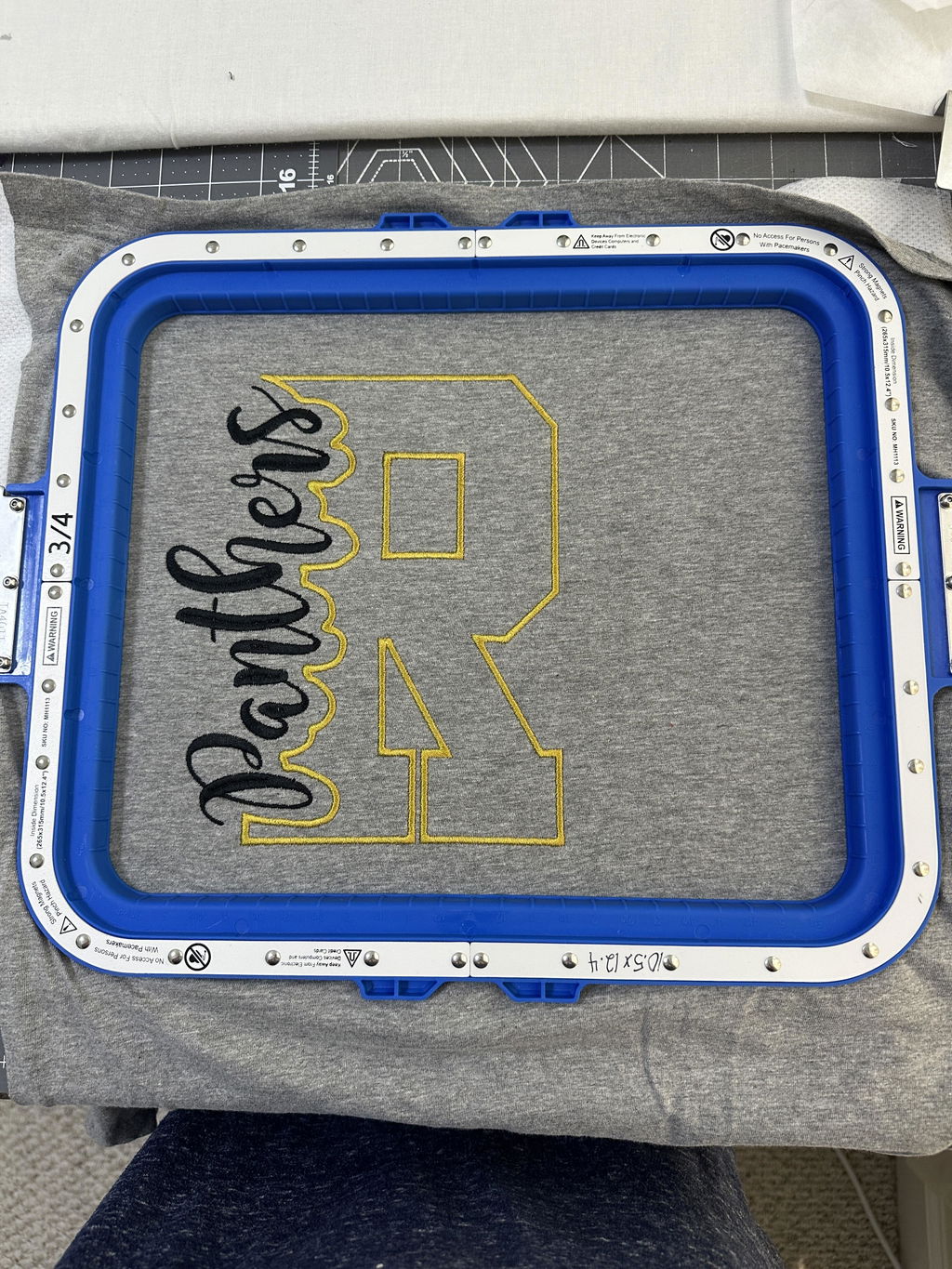
Fabric Stability The right hoop reduces puckering and slippage. Modern janome embroidery machine hoops with textured surfaces hold fabric evenly, helping prevent shifting and hoop marks for crisp embroidery.
Why Sewtalent Hoops Stand Out - Textured surfaces maintain even tension and clean edges. - Durable materials and robust magnets handle daily use. Consider today’s magnetic embroidery hoops when you need consistent grip and quicker setup.
Pro Tips - Clean lint from the bobbin area frequently to protect stitch quality. - Replace halogen bulbs with LEDs where possible for safety and longevity. - For faster setup and fewer adjustments, a janome magnetic hoop can streamline embroidery and repair tasks.
Takeaway: Smart maintenance and accessory choices elevate results on both vintage and contemporary Janome machines.
5. Year-over-Year Model Comparisons
Comparing series reveals how Janome refined power, usability, and automation across releases.
5.1 Heavy-Duty Series: 3000 vs 5000 Models
- The 5000 series adds more utility stitches and includes a bonus quilting kit, while the 3000 series focuses on everyday tasks.
- Both use a top drop-in bobbin system for quick changes.
- A seven-point feed system supports smooth fabric movement; older three-point systems could struggle with thickness.
- The HD 3000 is praised for dense fabrics, ease of setup, and intuitive stitch selection; the 5000 series layers on more stitches and helpful placard recommendations.
- Both feature long warranties for mechanical components.
| Feature | 3000 Series | 5000 Series |
|---|---|---|
| Utility Stitches | 18 | More than 18 |
| Bonus Quilting Kit | No | Yes |
| Feed System | 7-point | 7-point |
| Bobbin System | Top drop-in | Top drop-in |
| Warranty | 25 years (mech) | 25 years (mech) |
5.2 Computerized Models: Memory Craft vs Horizon
- Memory Craft 6600P: Fundamental computerized controls, automatic threading, and an LCD for those moving up from mechanicals.
- Horizon 9400QCP: Larger workspace with quilting features and specialized presser feet.
- Skyline S9: Expansive stitch libraries and seamless embroidery software integration.
Trends - Touchscreens and app-friendly features improved navigation over earlier LCDs. - Flatbed designs in the Continental M-series increased stability and space for bulk. - Automation rose to include automatic thread cutters and stitch regulation (introduced in the M8).
Takeaway: Each generation adds stitches, interface refinements, and automation to expand creative control.
6. Accessing Manuals and Maintenance Guides
When troubleshooting or learning advanced features, accurate documentation is essential.
6.1 Janome's Official Resources
Retired Models Archive - A dedicated portal lists discontinued machines by type (embroidery, computer, professional). - Manuals are organized by model name or code, not by year.
Global Manual Search Tool - Enter your model name (e.g., Memory Craft 10000) or a code (e.g., MB-4) to access user and service PDFs.
Third-Party Resources - Sewing Machines Plus and Sewing Parts Online aggregate free PDFs for many models.
Maintenance Guidelines - Routine cleaning, timely servicing, and safe disassembly practices are emphasized. - Annual professional servicing is advised for stored machines.
Limitations and Tips - Manuals are not sorted by release year. - Always verify compatibility by cross-referencing model names and production codes. - For legacy machines with limited documentation, consult repair specialists or the retired manuals portal.
Pro Tip: Model-specific documentation is the fastest path to accurate answers.
7. Identifying Manufacturing Years via Serial Numbers
Dating a Janome by serial number alone is challenging, since there is no public decoding key.
Why It’s Tricky - Serial formats like 73103309 or 629021671 do not map directly to production dates. - Model codes can clarify the model but not the exact year.
Practical Clues - Cosmetic cues: pre-2012 machines often used cream/gray plastics; white plastics suggest later builds. - Lamp types: halogen bulbs appear more often on older models; newer units trend to LEDs.
Dealer Support - Authorized dealers can cross-reference serial and model data in proprietary systems for reliable dating.
Summary Methods
| Method | Steps | Limitations |
|---|---|---|
| Dealer Consultation | Provide serial and model to an authorized dealer | May require cost; not instant |
| Physical Inspection | Use color/materials and lamp type for clues | Only approximate |
| Model Code Decoding | Identify embedded model references | No public, consistent year key |
Bottom Line: Dealer verification is the most reliable way to establish manufacturing year.
8. Conclusion: Janome's Enduring Impact
From the round bobbin to computerized embroidery and long-arm quilting at home, Janome has consistently focused on user-centered innovation. Understanding this evolution helps you read model lineups, shop retired machines wisely, and maintain performance with the right accessories such as magnetic hoops for embroidery machines. The result is confident stitching across projects, past and future.
9. FAQ: Janome Models by Year
9.1 Q: How can I find out the production year of my Janome sewing machine?
A: Serial numbers and model codes do not directly reveal the year. For accurate dating, contact an authorized dealer with serial and model numbers. Physical traits can offer approximate clues.
9.2 Q: Where can I access manuals for discontinued Janome models?
A: Many manuals are available as free PDFs from authorized sites and official resources. Search by exact model name or code, since manuals are typically not organized by year.
9.3 Q: Can I use parts from newer Janome models in my older machine?
A: Some components like hook cover plates, bobbin cases, and needle thread units are shared across series and generations. Always check your manual or official support before ordering.
9.4 Q: What should I look for when buying a second-hand Janome?
A: Prefer machines with original manuals and accessories, consider certified refurbished sources, inspect wear and lamp type, and review user feedback in forums.
9.5 Q: How do I authenticate my Janome model for resale or insurance?
A: Dealer verification is required. Provide serial and model numbers so they can confirm details in proprietary databases. Keep purchase receipts and manuals for records.