

1. Introduction to Metallic Embroidery Floss: Sparkle Without the Struggle
Metallic embroidery floss brings instant glamour—shimmering highlights, radiant outlines, and a showstopping sparkle. Yet many stitchers battle fraying, tangling, and breakage that can drain time and patience. Tests and hands-on reviews agree: proper setup is essential for consistent results with metallic threads.
This guide demystifies metallics with practical techniques, brand insights, and troubleshooting steps for both hand and machine embroidery. From subtle shimmer to bold accents, you’ll learn how to prevent snags, select the right thread, and fine-tune your process. For stability and fabric control, tools like magnetic embroidery hoops can help you keep tension even and stitches crisp.
Table of Contents
- 1. Introduction to Metallic Embroidery Floss: Sparkle Without the Struggle
- 2. Essential Techniques for Tangle-Free Metallic Stitching
- 3. Top Metallic Floss Brands Compared: Performance and Project Fit
- 4. Troubleshooting Metallic Thread Nightmares
- 5. Machine vs. Hand Embroidery: Optimizing Metallic Applications
- 6. Blending Metallic Floss for Subtle Shimmer Effects
- 7. Conclusion: Elevate Your Projects with Confidence
- 8. FAQ: Metallic Floss Quick Answers
2. Essential Techniques for Tangle-Free Metallic Stitching
Metallics can be temperamental, but a few disciplined habits will make them behave beautifully.
2.1 Needle Selection and Maintenance Strategies
- Opt for larger needles: move up 1–2 sizes from cotton standards. A size 24 tapestry needle pairs well with 14-count Aida; the larger eye and shaft reduce abrasion.
- Try specialized needles: Japanese embroidery needles with round eyes and smooth finishes minimize twisting and wear.
- Replace needles frequently: swap after 8–10 hours of stitching or major projects; metallics wear needle eyes quickly.
- Check compatibility: match thread type and fabric count using needle–thread charts to minimize friction and noise.
2.2 Thread Handling: Short Lengths, Conditioning, and Wear Distribution
- Cut short lengths: 10–12 inches limits friction and the number of passes, reducing fray and snap risk.
- Use conditioners: beeswax, Thread Heaven, or Thread Magic reduce drag and static; a light damp cloth also softens stubborn metallics.
- Distribute wear: periodically slide the thread through the needle to shift the bend point and avoid concentrated fatigue.
- Freeze or dampen: chill unruly threads for 30–60 minutes or slightly moisten to calm twisting and static.
- Untwist regularly: let the needle dangle to release kinks and prevent knots.
2.3 Machine Optimization: Speed, Tension, and Path Lubrication
- Reduce stitch speed: 300–750 SPM keeps stress low and cuts breakage.
- Calibrate tension: loosen top tension and keep bobbin tension gentle to prevent snapping.
- Polish and lubricate: remove burrs with crocus cord and apply a tiny amount of Sewer’s Aid along the thread path.
- Simplify designs: use digitizing choices that lower density and avoid sharp angles.
- Test first: run trials on scrap fabric before committing.
3. Top Metallic Floss Brands Compared: Performance and Project Fit
Not all metallics feel—or stitch—the same. Here’s how popular lines stack up so you can pick the right thread for the job.
3.1 Premium Picks: Au Ver à Soie, Kreinik, and DMC Lines
Au Ver à Soie: A gold standard for braided metallics in #4, #8, and #16 weights. Praised for durability, smooth handling on dense fabrics, and resistance to tangling, snagging, and breakage. Extensive color options, including special collections.
Kreinik: Offers 221 shades and multiple textures (with the #4 braid comparable to DMC Light Effects). Known for smooth stitching and easy color conversions with DMC; suitable for hand and machine embroidery.
DMC: - Light Effects: Very sparkly and available in 58 colors (some discontinued), but often stiff and tangly. - Mouliné Étoile: Softer, easier to blend, with subtle shimmer in 35 colors. - Diamant: Single-strand, smoother than Light Effects with 14 colors; Diamant Grande provides thicker, bold accents.
Other notables: Sulky (91 colors; nice for blending, thinner so often doubled), Madeira (noted for industrial durability), plus Rainbow Gallery, Lecien Cosmo, and Threadworx where available.
3.2 Choosing by Project: Texture, Sparkle Level, and Ease Ratings
| Brand | Durability | Ease of Use | Best For | Key Features |
|---|---|---|---|---|
| Madeira FS | High | High | Industrial-scale projects | Silver foil, reinforced for heavy fabrics |
| Kreinik | High | Moderate | Precision handwork | Extensive color range, smooth braids |
| Sulky | Moderate | Moderate | Blending, casual sewing | Thin, widely available, often doubled |
| DMC Diamant | High | High | Bold accents, cross stitch | Single-strand, tangle-free, easy coverage |
| DMC Mouliné Étoile | Moderate | High | Delicate, subtle sparkle | Soft, minimal bulk, easy to blend |
| Au Ver à Soie | High | High | Surface embroidery, needlepoint | Braided, smooth, multiple weights |
Thread types: - Braided metallics (Au Ver à Soie, Madeira FS): smoother and less prone to tangling; great for dense designs or bold accents. - Stranded floss (DMC Light Effects): high sparkle but snag-prone; best for light accents or blending.
Project highlights: - Sulky: excellent for blending or layering for gentle shimmer. - Madeira: tough enough for heavy fabrics and high-volume machine runs. - Diamant Grande: ideal for bold, high-visibility accents.
Performance insights: Madeira CR Metallics can run at 800 SPM without breakage on machines; Au Ver à Soie braids earn strong marks for resilience on tightly woven linens.
Usage tips: - Combine DMC Light Effects for highlights and Étoile for textured backgrounds. - Use conversion charts to match Kreinik and DMC colors. - Match thread weight to fabric count for consistent results.
4. Troubleshooting Metallic Thread Nightmares
Metallics can be dazzling in the final stitch but dramatic behind the scenes. Use these fixes to tame common problems.
4.1 Solving Breakage and Fraying: Tension Tactics and Stabilizers
Tension: Metallic threads tolerate less tension than cotton or polyester. Lower top tension and keep bobbin tension gentle. Speeds of 300–600 SPM are often recommended to limit abrasion.
Stabilizers: Cut-away or tear-away stabilizers minimize fabric movement and friction—critical on stretchy or open weaves. Double the backing for challenging materials.
Fabric choices: Smooth, tightly woven fabrics (cotton, silk) are kinder to metallics. Avoid rough or open weaves when possible. On stretch garments, use more stabilization and set realistic expectations.
Thread path lubrication: A silicone-based conditioner or a drop of Sewer’s Aid on the path reduces friction and fray.
| Problem | Solution |
|---|---|
| Thread Breakage | Lower tension, replace dull needles, use high-quality thread |
| Fraying | Slow speed, apply thread conditioner, use stabilizer |
| Bobbin Pull-Out | Adjust bobbin tension, check thread path alignment |
4.2 Hooping Solutions for Machine Embroidery Stability
Magnetic hoops for the win: Smart clamping delivers even hold and fewer shifts. Systems designed for garments reduce hoop burn and keep layers aligned. Using magnetic hoops for embroidery machines helps prevent fabric creep that can shred metallic threads.
Even tension, every time: A wide contact area and textured grip keep fabric flat. With consistent pressure, metallic threads glide rather than grind. Quality machine embroidery hoops are crucial when density increases or angles sharpen.
Material durability: High-grade builds—like PPSU engineering plastics and strong magnets—stand up to daily production. A well-made magnetic embroidery frame reduces replacements and downtime while protecting delicate metallics.
Time-saving efficiency: Faster hooping means more time stitching. Cutting setup from minutes to seconds per garment compounds into meaningful throughput gains for shops.
5. Machine vs. Hand Embroidery: Optimizing Metallic Applications
Metallics shine in both methods—with different best practices.
5.1 Machine Embroidery Settings: Stitch Types and Fabric Pairs
Stitches: Choose satin or light fills at reduced density. Avoid dense, sharp-angled designs that stress metallics.
Speed and tension presets: A capable sewing and embroidery machine with variable speed and precise control lets you reduce top and bobbin tension (top: 80–100 gf, bobbin: 25 gf). Use 90/14 sharp or titanium-coated needles and replace every 4 hours for consistent performance.
Fabric and stabilizer combos: Pair metallics with cutaway or tear-away stabilizers. Avoid stretchy knits; prefer stabilized cottons or linens.
5.2 Hand Embroidery Techniques: Stitch Simplicity and Thread Control
Thread handling: Cut lengths to 12 inches or less (6 inches folded for loop starts) and use a needle one size larger than for cotton to reduce friction.
Stitch selection: Favor simple stitches—satin, stem, French knots. Skip high-twist stitches (e.g., bullion) that fight metallic stiffness. Blend a strand of metallic with cotton for restrained glow.
Fabric choices: Evenweaves like 14-count Aida or 28-count linen provide balanced tension. For ornament-heavy work, perforated paper or interfaced cotton offers extra support.
Pro tip: Use a laying tool for smooth blends and let your needle dangle often to release twist.
5.3 Hooping Efficiency for Production Workflows
Magnetic hoops can slash setup time for batch orders, maintain even tension, and reduce defects that waste thread and garments. Consistent clamping improves outcomes across many commercial machines.
ROI: Fewer defects and faster turnovers translate to measurable savings over time. Compatibility with common commercial models makes magnetic hoops a practical upgrade for production.
Industrial compatibility: Flexible systems drop into existing lines—from single operators to multihead shops—without reworking processes.
6. Blending Metallic Floss for Subtle Shimmer Effects
Sometimes less is more. Blending metallic with cotton adds depth without overpowering.
6.1 Cotton-Metallic Pairing Ratios and Color Matching
Color-matched blending: DMC’s numbers pair metallics and cottons—e.g., E3843 with 3843—for seamless hues.
Ratios: One metallic strand with two or three cotton strands balances shine and softness.
Technique tip: Thread metallic and cotton together; keep tension relaxed so springy metallic and fluffy cotton seat evenly.
6.2 Layered Stitching Techniques for Dimension
Metallic underlays: Lay metallic first, then stitch over with cotton or variegated thread for a diffused glow.
Gradients and direction: Alternate metallic and cotton in fades or along outlines; vary stitch angles to enhance dimension.
Test on scrap: Trial settings and combinations on matching fabric to refine density, tension, and color balance before committing. For supportive holding power during tests, sturdy magnetic embroidery frames help keep fabric flat.
Best practices for quality: - Keep metallic lengths under 12 inches - Use conditioner or silicone spray for glide - Choose soft, non-abrasive stabilizers - Keep density low when blending
7. Conclusion: Elevate Your Projects with Confidence
Metallic floss doesn’t have to be a struggle. With short lengths, larger needles, good conditioning, smart speed and tension, and thoughtful brand choices, you can turn metallics into a reliable highlight. Explore Au Ver à Soie, Kreinik, DMC Diamant, Sulky, and Madeira for the right balance of sparkle and control. For production and garment work, dependable clamping and even tension are critical—principles that also make magnetic hoop embroidery workflows more consistent. Experiment, blend with cotton for gentle glint, and let your creativity shine.
8. FAQ: Metallic Floss Quick Answers
8.1 Q: Can you wash metallic thread embroidery?
A: Yes—gently. Hand-wash with mild soap, avoid wringing, and dry flat (place a towel beneath to absorb moisture) to preserve sheen.
8.2 Q: Why does metallic floss fray or break so easily?
A: A metallic film or polyester wrap over a core makes it stiffer and rougher than cotton. Friction at the fabric and needle eye causes separation. Short lengths, larger needles, and conditioners reduce wear.
8.3 Q: What’s the best metallic thread brand for beginners?
A: Kreinik and DMC Diamant are often recommended thanks to smoother handling, fewer tangles, and wide color availability.
8.4 Q: How do I keep metallic threads from tangling?
A: Use 10–12 inch lengths, apply conditioner, and let the needle dangle to release twist. Work slowly and avoid overtension.
8.5 Q: Can I blend metallic floss with cotton threads?
A: Absolutely. Pair one metallic strand with two or three cotton strands for subtle shimmer. DMC’s color numbers make matching straightforward.
Fantastic product, great customer service
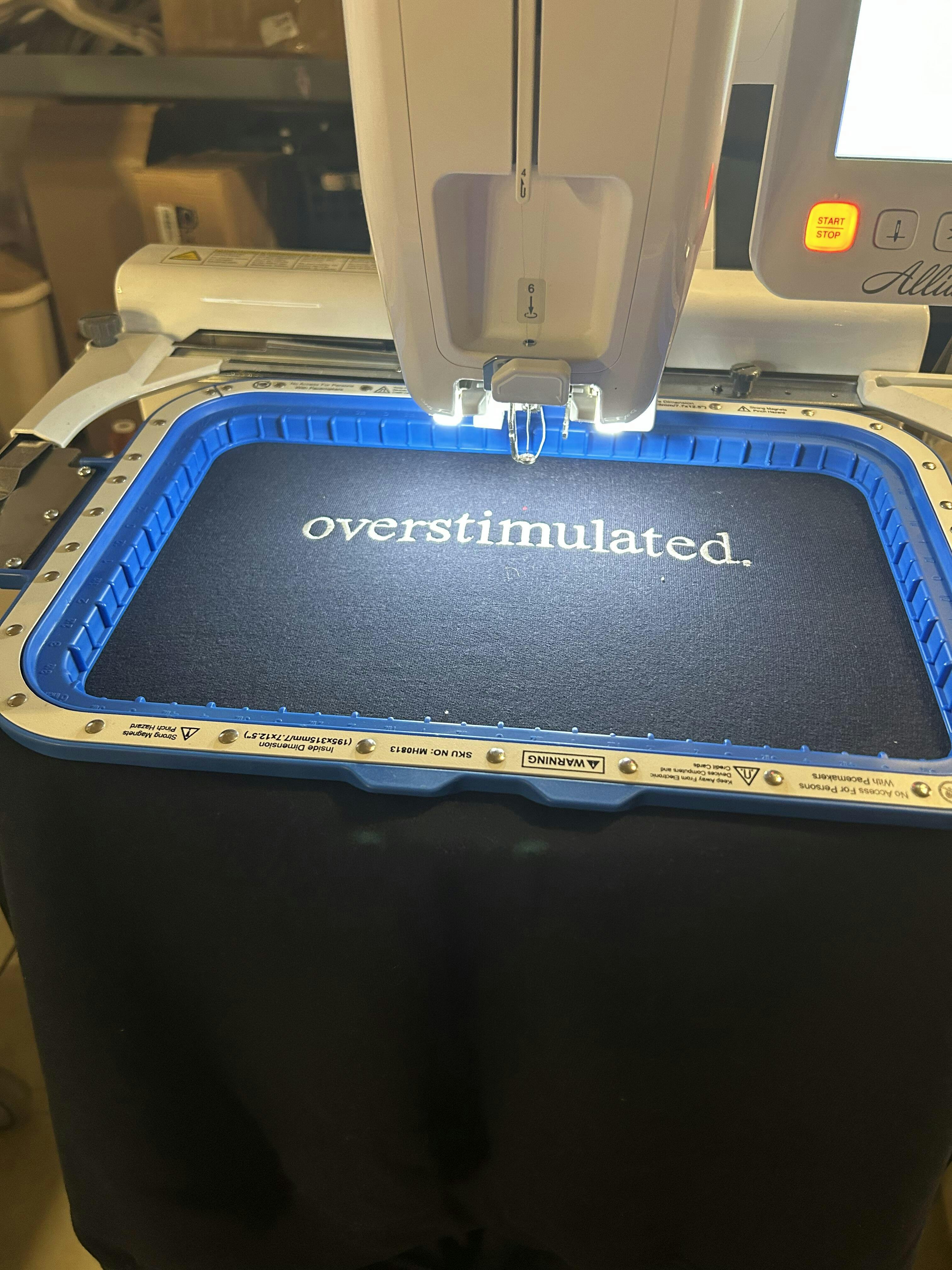
Great customer service and product is fantastic for the price compared to anything else on the market!
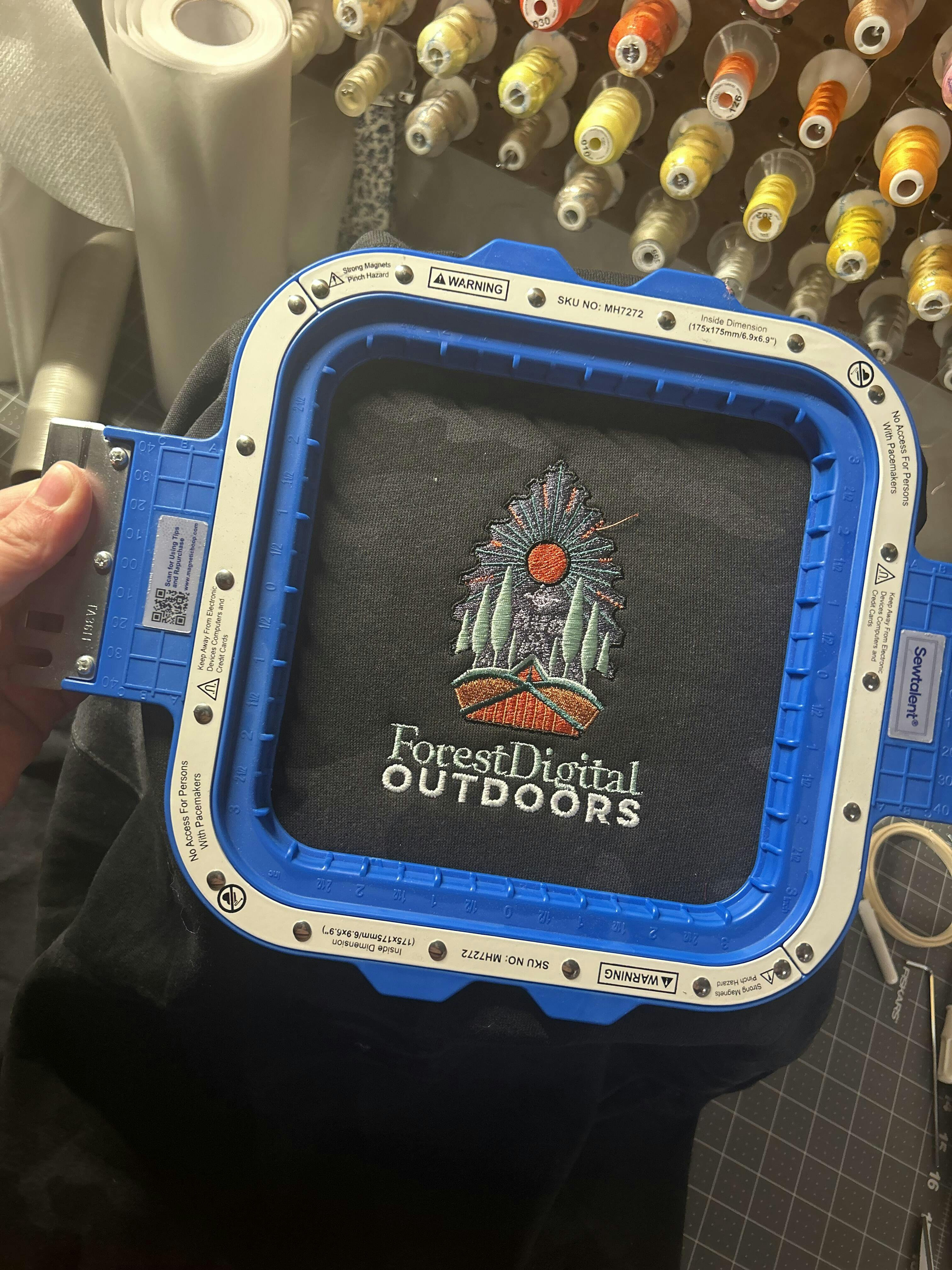
Ich liebe diese Stickrahmen. Sie machen das Arbeiten so viel einfacher. Das Versenden und die Lieferzeit nach Deutschland waren gar nicht so lange, wie ich gedacht hatte. Ich hab mir schon viele Magnet hoops gekauft
