1. Introduction to DIY Embroidered Patches
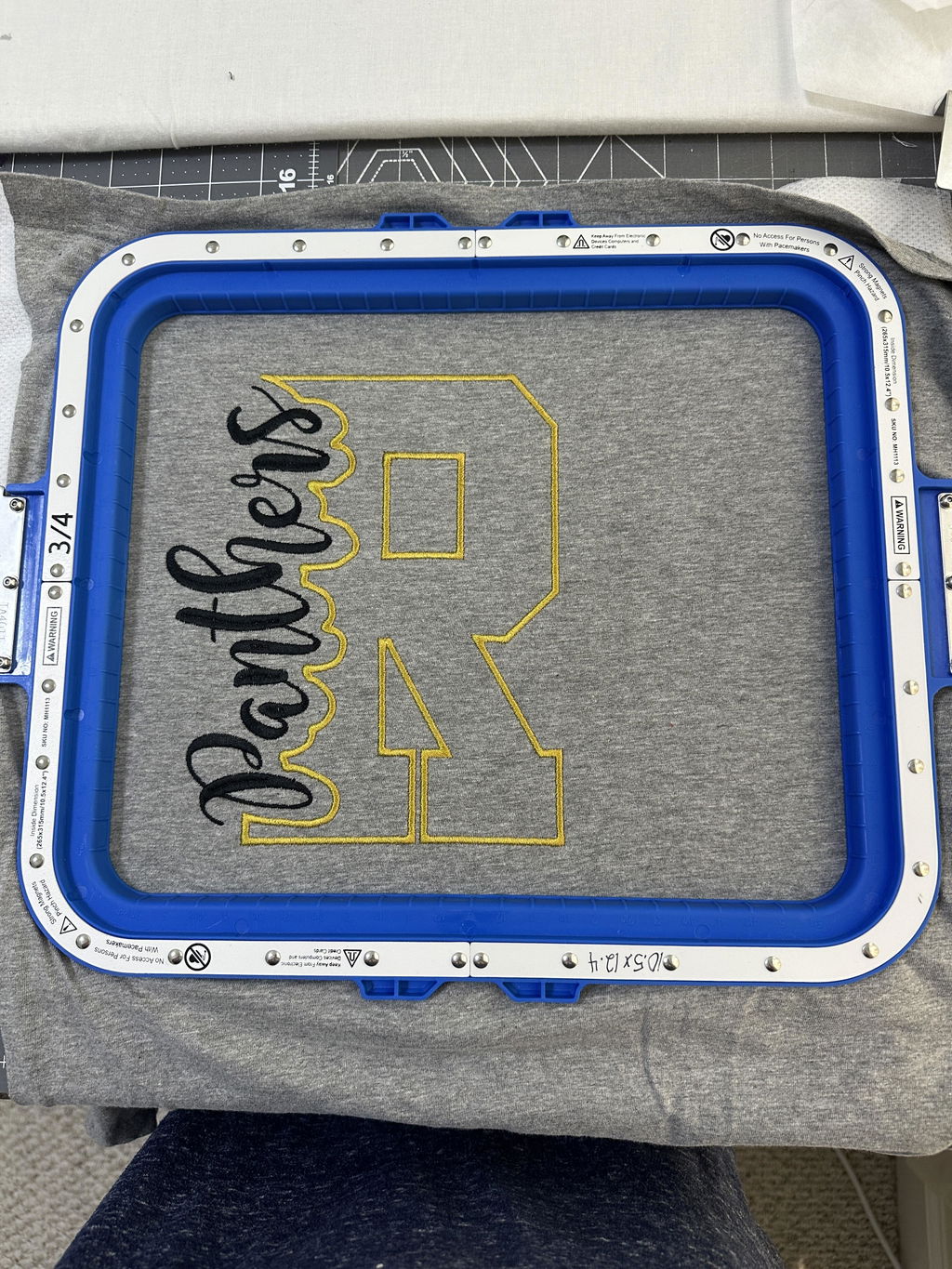
Embroidered patches are equal parts statement, repair, and creative fix. Whether you’re customizing apparel, covering damage, or branding gear, machine-made patches unlock flexible, polished results. This guide covers digitizing, materials, edge finishing, troubleshooting, attachment, and batch production. Along the way, you’ll see how innovations like magnetic embroidery hoops—such as those from Sewtalent—streamline setup and improve precision.
Table of Contents
- 1. Introduction to DIY Embroidered Patches
- 2. Step-by-Step Patch Creation: From Digitizing to Finishing
- 3. Achieving Professional Edges and Preventing Fraying
- 4. Troubleshooting Common Machine Embroidery Issues
- 5. Patch Attachment Methods: Durability Through Washing
- 6. Efficiency Tips for Batch Production
- 7. Conclusion: Mastering Professional-Grade Patches
- 8. FAQ: Embroidered Patch Essentials
2. Step-by-Step Patch Creation: From Digitizing to Finishing
Creating machine-made patches blends precision with creativity. Follow these essentials so every patch looks clean and lasts.
2.1 Digitizing Designs for Optimal Stitch Coverage
Start with solid digitizing. Use software (e.g., Chroma Lux or similar) to convert artwork or SVG files into machine-ready formats like .DST or .PES. Favor bold lines and minimal detail for clarity on small patches. Target 50–100% stitch coverage to suit your fabric and design: full coverage for logos and bold graphics; partial coverage if you want the base to show.
Thread choices matter: polyester is durable and colorfast; rayon delivers a lustrous finish. Metallics add sparkle but need slower speeds and careful tension. Always preview the design, then tweak outlines or borders for clean curves and corners before stitching. A quick test stitch on scrap—and a tidy setup in a magnetic embroidery hoop—helps catch issues early.
2.2 Material Selection: Fabrics and Stabilizers
Choosing fabric and stabilizer is like picking the right canvas and frame. Here’s a concise comparison:
| Material | Use Case | Advantages | Limitations |
|---|---|---|---|
| Polyester Twill | Small designs, sportswear | Pre-shrunk, flexible, durable | Less soft than cotton twill |
| Cotton Twill | General-purpose patches, soft feel | Breathable, gentle on garments | Less heat-resistant |
| Denim/Canvas | Heavy-duty patches, large designs | Sturdy, ideal for backpacks | Requires cut-away stabilizers |
| Felt | Vintage or textured designs | Soft, easy to stitch | Prone to fraying without backing |
Match stabilizer weight to your fabric:
- Tear-Away: Best for lightweight fabrics like cotton or felt.
- Cut-Away: Essential for heavy fabrics such as denim or twill to prevent distortion.
For iron-on patches, add fusible interfacing. Heat n Bond Ultra Hold offers strong adhesion: cut to shape, press, and you’re set.
2.3 Finishing Techniques: Trimming and Backing
Trim stabilizer carefully with sharp scissors or a rotary cutter—especially around curves. For complex shapes, fine-point embroidery scissors offer control.
Pick a backing:
- Sew-On: Most durable for high-wear items.
- Iron-On: Quick and convenient with an iron or heat press.
- Velcro/Adhesive: Good for removable or repositionable patches.
Prevent fraying with heat-seal tape or a liquid fray-check, particularly if you’re not using a satin or merrowed border. A Teflon sheet helps avoid residue while pressing. Patience counts: as one creator said, "If you don’t have patience, don’t try to make patches!"
3. Achieving Professional Edges and Preventing Fraying
Nail the edges to make your patch look store-bought. Focus on clean borders and sealed perimeters.
3.1 Satin Stitch Borders for Clean Edges
Begin with a back or split stitch outline to set a crisp boundary. For curves, keep stitches tighter on inner curves and slightly wider on outer curves to maintain density without gaps. Work from the center outward for symmetry, align stitches to straight edges, and gently angle through curves. Test runs on scrap help refine spacing and alignment.
3.2 Heat-Based Sealing and Cutting Methods
Choose a cutting and sealing method that fits your workflow:
- Hand-Cutting: Close trimming with sharp embroidery scissors; precise but time-consuming.
- Heat’n’Seal Adhesive: Iron on slightly oversize, cool, then trim for crisp, iron-on edges.
- Hot Knife Sealing: Cuts and seals simultaneously; great for batches. Laser cutting suits irregular shapes (specialized equipment required).
Trim stabilizer just outside the stitch line and notch around curves to reduce bulk. A light adhesive spray can steady stretchy or slippery fabrics.
| Method | Pros | Cons | Best For |
|---|---|---|---|
| Satin Stitch | Smooth, fray-resistant | Requires precise alignment | Curved/intricate designs |
| Hand-Cutting | Low-cost, precise control | Risk of fraying with dull tools | Small, detailed patches |
| Heat’n’Seal | Crisp, iron-on edges | Possible adhesive residue | Quick application patches |
| Hot Knife | Sealed edges, fast | Specialized equipment | Machine-embroidered patches |
4. Troubleshooting Common Machine Embroidery Issues
Puckering, thread breaks, and tension issues can derail patch quality. Small adjustments and the right tools keep results consistent.
4.1 Solving Puckering and Tension Problems
Match stabilizer to fabric weight: cut-away for twill or denim; water-soluble options for delicate fabrics. Hooping should be taut, not stretched. For even pressure and flat fabric, magnetic hoops for embroidery machines distribute force uniformly to limit distortion and fussing.
Adjust thread tension gradually and re-thread with the presser foot up to avoid loops. If bobbin thread shows on top, reseat or replace the bobbin. A light spritz of fabric starch on cotton and a quick press can help stabilize fibers before hooping.
4.2 Handling Thread Breaks and Design Flaws
Use quality thread—polyester excels at abrasion resistance—then match needle size to material (75/11 for most patches, 90/14 for thicker or denser designs). Swap dull needles to prevent skips and breaks. Inspect the stitch plate and bobbin case for burrs, and reduce overly dense areas or sharp angles in the digitized design when needed.
5. Patch Attachment Methods: Durability Through Washing
Your patch should survive real-world wear. Choose an attachment method that fits the fabric and expected laundering.
5.1 Iron-On vs. Sew-On: Pros and Cons
Iron-on patches apply fast using a heat-activated adhesive (e.g., Heat n Bond Ultra Hold): preheat fabric, position, press with medium-high heat for ~30 seconds, then let cure 24 hours before washing. They’re ideal for cotton, denim, and other heat-friendly fabrics. Expect moderate longevity: adhesives may weaken after 6–12 months, though careful use can extend to 2–3 years.
Sew-on patches last longer. A tight zigzag or satin stitch around the edge flexes with the garment and resists frequent washing. Polyester thread is a strong, colorfast choice.
| Factor | Iron-On Patches | Sew-On Patches |
|---|---|---|
| Durability | Moderate (6–36 months) | High (several years) |
| Wash Resistance | Weakened by heat/wash | Resistant to frequent wash |
| Application Time | Quick (minutes) | Time-consuming (sewing) |
| Fabric Compatibility | Heat-resistant only | Most fabrics |
5.2 Hybrid Techniques for Maximum Longevity
Combine both for speed and strength:
- Apply iron-on adhesive to the patch back; press to the garment.
- Stitch the perimeter (straight or zigzag) to lock edges.
- Let the adhesive cure for 24 hours before washing.
Wash gently: turn garments inside out, use cold water and mild detergent, air-dry when possible. This hybrid approach is ideal for high-movement areas or heavy laundering.
6. Efficiency Tips for Batch Production
Scaling patch production requires planning, layout, and smart finishing—without sacrificing quality.
6.1 Multi-Hooping Layouts and SVG Templates
Digitize your design, then create SVG templates to pre-cut fabric and stabilizer. Duplicating the design to fill hoop space is the key to multi hooping machine embroidery efficiency—large hoops can stitch many patches in a single run, and even smaller setups benefit from tight layouts.
Here’s where Sewtalent magnetic hoops shine: their powerful grip speeds setup and promotes even tension. Quick placement reduces mistakes and waste, letting you focus on creativity. For repeatable alignment, mark axes and maintain equal spacing. Fast changeovers get easier with magnetic frames for embroidery machine.
6.2 Automated Cutting and Quality Control
Cutting can bottleneck output. Hot knife systems seal edges while cutting; lasers or plotters follow SVG templates for consistent shapes. Group thread colors and optimize stitch order to reduce thread changes. Simple patches may finish in about five minutes; complex ones take longer, but planning trims downtime. Pair consistent cutting with magnetic hoops for embroidery to minimize rehooping errors.
Common checks:
| Defect | Cause | Solution |
|---|---|---|
| Thread breaks | Tension imbalance | Adjust tension, replace needle |
| Patch delamination | Insufficient curing | Re-cure at higher temp/time |
| Skipped stitches | Dull needle | Replace needle, check alignment |
7. Conclusion: Mastering Professional-Grade Patches
Professional results come from careful digitizing, smart fabric–stabilizer pairing, clean edges, and efficient production. Test on scrap, refine your stabilizer and trimming approach, and take your time on backing and borders. Magnetic tools—such as magnetic embroidery frames—offer even tension and fast setup so you can focus on the creative work.
8. FAQ: Embroidered Patch Essentials
8.1 Q: Can I use regular cotton for patches?
A: Yes. Use sound digitizing to prevent puckering and distortion. A medium-weight woven fusible interfacing can reinforce the fabric for better results.
8.2 Q: How can I prevent fraying without using a satin stitch border?
A: Apply heat-seal tape or a fray-check liquid around the perimeter after trimming. This seals edges and is helpful for felt, cotton, and other fray-prone fabrics.
8.3 Q: What’s the best stabilizer for felt patches?
A: Tear-away stabilizer is a popular choice. It supports during stitching and removes cleanly, leaving the patch soft and flexible.