1. Introduction to Creating Professional Embroidered Patches
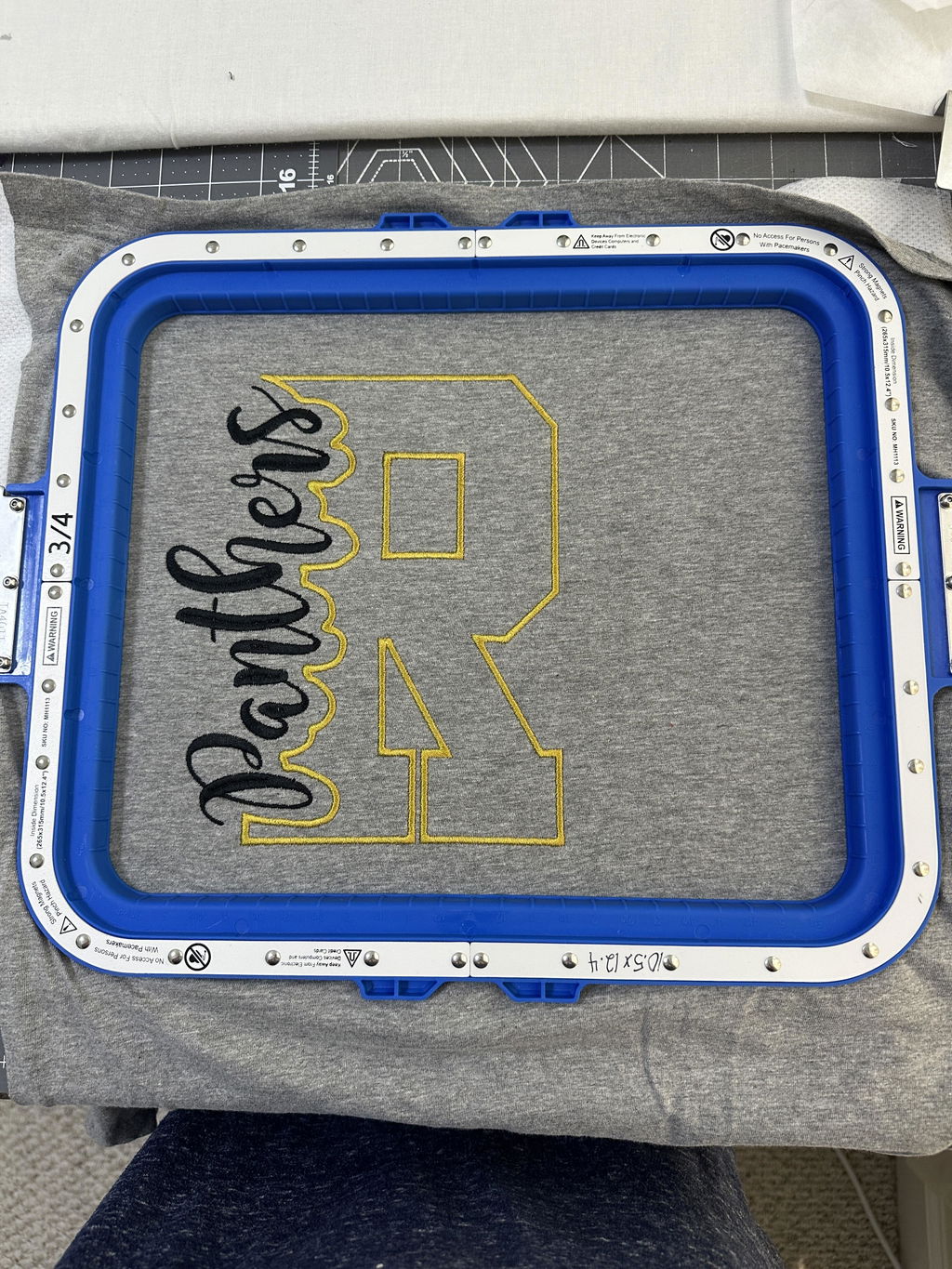
Embroidered patches aren’t just decorative—they signal identity, creativity, and professionalism across uniforms, sportswear, fashion, branding, and DIY. A truly polished patch depends on smart material choices, edge-finishing methods, and solutions for issues like fabric shifting or frayed borders. You’ll learn how to select stabilizers and fabrics, stitch clean borders, convert to iron-on, and streamline production into a business-ready workflow. For steadier setup and faster alignment, many makers rely on magnetic embroidery hoops.
Table of Contents
- 1. Introduction to Creating Professional Embroidered Patches
- 2. Essential Materials and Tools for Patch Success
- 3. Step-by-Step Patch Creation Techniques
- 4. Achieving Professional Edges: Satin, Faux Merrow, and Hot-Knife Methods
- 5. Converting to Iron-On Patches and Troubleshooting
- 6. Business Scaling: Profitability and Production Optimization
- 7. Advanced Digitizing and Material Science
- 8. Conclusion: Key Takeaways for Patch-Making Mastery
- 9. FAQ: Common Patch-Making Questions Answered
2. Essential Materials and Tools for Patch Success
Before stitching a single thread, your toolkit sets the tone for quality. The right components—including magnetic hoops for embroidery machines—help you move from "good" to professional-grade results.
2.1 Stabilizers: Water-Soluble vs. Tear-Away vs. Cut-Away
Stabilizers underpin crisp stitching and prevent distortion:
| Type | Best For | Key Features |
|---|---|---|
| Water-Soluble | Clean-edge, stand-alone patches | Dissolves in water, leaves no residue, ideal for intricate or faux-merrow borders. |
| Tear-Away | Stable fabrics (twill, canvas) | Easy removal, prevents puckering, great for bulk runs. |
| Cut-Away | Stretchy fabrics (knit, fleece) | Permanent support, handles heavy stitch counts. |
Adhesive-coated tear-away like HydroStick helps with hard-to-hoop items; StabilStick provides lightweight support for slippery fabrics. Match stabilizer to fabric stretch and stitch density for best results.
2.2 Fabrics and Adhesives: Twill, Felt, and Heat-Activated Films
- Twill: Durable, distortion-resistant, and ideal for dense embroidery and sharp borders.
- Felt: Soft, non-fraying, and great for playful textures, though slightly fuzzy.
- Synthetics: Polyester or polyolefin films support thread-only patches with clean fused edges.
Temporary spray adhesives (e.g., 505 Spray) secure fabric during stitching. Fusible backings like BSN™ Heat N' Seal™ or Thermofix™ convert patches into iron-on; tacky fusible options can replace sprays for a cleaner workflow.
2.3 Needles, Threads, and Efficiency Tools
- Sharp embroidery needles for twill/canvas; ballpoint for knits.
- Match bobbin to border color for a clean back; use quality embroidery thread for longevity.
- Silicone paper protects surfaces; painter’s tape controls edges; curved scissors trim close to satin borders; a heat press or iron applies backings. A magnetic embroidery frames setup can also steady awkward items for more consistent results.
Pro Tip: Pair durable twill with tear-away stabilizer and a fusible backing for long-lasting patches and that coveted "store-bought" finish.
3. Step-by-Step Patch Creation Techniques
3.1 Hooping Methods and Stabilizer Preparation
Hoop stabilizer drum-tight—like a snare, not a trampoline. Water-soluble films need even tension to avoid puckering; plastic films need careful handling to prevent tears. Placement stitches outline the patch zone for precise alignment. For garment work, Sewtalent magnetic embroidery hoops speed hooping, hold tension evenly, and minimize hoop burn—especially in bulk runs. If you prefer a clamp-style setup, explore magnetic hoop embroidery to keep materials steady.
3.2 Fabric Alignment and Stitching Sequences
- Adhesive Application: Lightly spray stabilizer, position fabric over placement stitches, then secure with a tack-down stitch.
- Stitching Order: Run the central design first; finish with the satin border to prevent shifting and preserve stabilizer integrity.
Digitizing motif-based borders can mimic the classic merrow look without specialty gear.
3.3 Finishing: Trimming, Sealing, and Backing Application
Remove the piece from the hoop and trim excess stabilizer with curved scissors or a hot knife (ideal for polyester). A hot knife both separates and seals edges for a crisp result. Convert to iron-on with heat-activated backings (e.g., Heat n Bond) at 330°F (165°C) for 15–20 seconds; let it cool before peeling carrier sheets.
—
Follow these steps to get clean edges, vivid stitching, and durable patches—whether you’re making one badge or a short production run.
4. Achieving Professional Edges: Satin, Faux Merrow, and Hot-Knife Methods
4.1 Satin Stitch Optimization for Fray Prevention
Set border width to 3–5mm with tight density (2–3mm). Use strong, colorfast polyester thread; match bobbin to border color. Run a placement stitch before the satin pass and ensure hoop tension is drum-tight. If puckering appears, tune thread tension and stabilizer choice.
4.2 Faux Merrow Effects Without Specialty Machines
Use motif stitches (e.g., M322) in digitizing software to emulate merrow texture. Override auto-generation to place motifs manually, then adjust density/spacing for coverage and flexibility. After stitching, remove backing and lightly burn polyester edges to seal. Polyester melts cleanly; felt finishes will look softer.
4.3 Hot-Knife Cutting for Seamless Edges
- Stitch the design (including border) on uncut polyester with adhesive backing.
- Fuse to a smooth, heat-resistant surface like glass.
- Trace the border with a hot knife or wood-burning pen; the heat fuses edges as it cuts.
Advantages: Fast separation, fused edges, great for complex shapes. Limitation: Works with polyester; natural fibers don’t melt cleanly.
| Method | Equipment Needed | Material | Edge Quality | Post-Processing |
|---|---|---|---|---|
| Satin Stitch | Standard embroidery machine | Any fabric | Smooth, uniform | None |
| Faux Merrow | Motif software, border file | Polyester preferred | Textured, merrow-like | Peel backing, burn edges |
| Hot-Knife | Wood-burning pen, glass | Polyester only | Fused, fray-free | Trace/cut with hot knife |
Optimization Tips:
- Create custom motif patterns in digitizing software.
- Favor polyester for hot-knife techniques.
- Match top and bobbin threads for seamless borders.
5. Converting to Iron-On Patches and Troubleshooting
5.1 Iron-On Adapters: Heat-Seal Films vs. Fusible Webs
- Heat-Seal Films (e.g., Madeira Heat Seal): Brush on and cure at the specified temperature (260–350°F) for a permanent, machine-washable bond.
- Fusible Webs (e.g., Patch Bond, Heat and Bond): Apply around 260°F to the patch back, peel, position, then finish with a hot iron (no steam) using a Teflon or parchment sheet. Cool 5–10 minutes.
| Product | Type | Application | Durability |
|---|---|---|---|
| Madeira Heat Seal | Liquid adhesive | Brush on, cure | Machine-washable |
| Patch Bond | Fusible film | Iron-on, both sides | Industrial strength |
| Heat and Bond | Fusible web | Cut-to-size, iron-on | Moderate durability |
Best Practices:
- Preheat fabric for 20 seconds.
- Press at 350°F with firm, even pressure for 1–2 minutes.
- Let patches cool before handling.
- Avoid silk, polyester, or stretch substrates that can scorch at high heat.
Pro Tip: Hand-sew around edges for extra durability on high-wear items.
5.2 Solving Fabric Shifting and Thread Tension Failures
- Fabric Shifting: Use cutaway stabilizer, hoop fabric and stabilizer drum-tight, choose low-stretch twill with buckram, and run placement stitches.
- Thread Tension Errors: Rethread if looping/skips appear, replace needles every 8–10 hours, clean tension discs and bobbin area, and use a thread stand.
- Residue & Adhesion: Use spray adhesive sparingly, consider heat-activated stabilizers, and trim excess carefully.
- Too Floppy: Add buckram or double-sided fusible stabilizers, and heat-seal edges.
- Machine Issues: Check needle insertion, clean/oil moving parts, recalibrate for design offset, and review stitch densities.
Expert Workflow:
- Identify symptoms and timing.
- Consult quick-fix checklists.
- Review digitizing for density/spacing.
- Replace consumables and clean.
- Reference manuals or user forums.
6. Business Scaling: Profitability and Production Optimization
6.1 Pricing Strategies and Market Opportunities
Custom orders often carry higher markups; bulk B2B favors volume. Target niches like military units, sports teams, clubs, and corporate branding. Diversify revenue with digital designs, digitizing, or equipment and supply sales. Use DTC platforms and B2B marketplaces, and engage communities for trust and referrals.
| Order Type | Margin Range | Volume Potential |
|---|---|---|
| Custom Orders | 30–60% | Moderate |
| Bulk B2B Orders | 15–25% | High |
Actionable Tips:
- Invest in scalable, multi-needle machines.
- Track thread, stabilizer, and labor costs.
- Offer tiered pricing to encourage larger orders.
6.2 Large-Scale Workflow Efficiency
Multi-positional hoops (e.g., a 5x12" field vs. 5x7") reduce re-hooping and downtime. Cloud-enabled batch processes speed file management across machines. Stabilizer strategies (water-soluble or thick films, placement stitches, adhesive), plus heat-applied backings (260°F for 12 seconds), enhance edge quality and durability.
Quality Control:
- Choose stabilizer by job: fibrous water-soluble for clean tear-away, heat-pressed fusible for durability.
- Lean on community forums for troubleshooting.
- Tear away water-soluble backing after production.
| Metric | Detail |
|---|---|
| Embroidery Area | 5x12" (multi-hoop) |
| Design Capacity | 1,000 designs (Vision V22) |
| Heat Press Parameters | 260°F for 12 seconds |
| Community Support | 7,000+ members (Institch i5) |
Sewtalent Magnetic Hoops for High-Volume Garment Production: These hoops enable 90% faster hooping than traditional screw-based options and reduce defects from uneven tension or hoop burn—ideal for scale. If you’re upgrading capacity, consider a commercial embroidery machine for sale to match rising demand.
7. Advanced Digitizing and Material Science
Digitizing translates artwork into stitch engineering. Border width typically ranges from 3.5–5.5mm (about 4.2mm standard). Satin borders often run 1.5–3mm for crisp edges. Adjust density for fabric behavior: lower density (2–3) for thick knits; higher (5–6) for lightweight fabrics. Always test on scraps before production. Working with an embroidery sewing machine magnifies the benefits of precise settings.
Underlay Strategies: Edge-walk or zigzag underlays stabilize satin; tatami underlays support fills and prevent gaps. Use pull compensation to counter distortion. Leading software lets you tune underlay density, length, and direction.
Motif-Based Edge Creation: Shape libraries help build decorative borders and maintain alignment. For name patches, micro-sized or 60wt-friendly fonts boost legibility. Digitize borders first for easier cutting.
Tatami Fills: Reduce density and color-match thread to the base for full-looking coverage with fewer stitches, saving time and minimizing breaks.
Fabric Behavior Analysis:
| Fabric Type | Durability | Washability | Cost Efficiency | Best Use Cases |
|---|---|---|---|---|
| Twill | High | High | Moderate | Military, sports, uniforms, outdoor gear |
| Felt | Moderate | Moderate | Low-Moderate | Casual wear, soft accessories, vintage looks |
| Synthetic | High | High | Moderate-Low | High-end fashion, vibrant colors, frequent washing |
Key takeaways:
- Twill is rugged and ideal for heavy-use patches.
- Felt offers softness and vintage appeal.
- Polyester blends provide colorfastness and wash durability.
8. Conclusion: Key Takeaways for Patch-Making Mastery
Patch-making blends smart material selection with refined edging and reliable iron-on conversions. Troubleshoot proactively and optimize your workflow to scale from craft to commerce without sacrificing quality. If you’re starting out, an embroidery machine for beginners can simplify your learning curve as you experiment with stabilizers, borders, and backings.
9. FAQ: Common Patch-Making Questions Answered
9.1 Q: How do I remove stabilizer residue from the back of my patch?
A: Rinse water-soluble remnants in warm water or wipe with a damp Q-tip. Trim tear-away close with small scissors and use a soft brush to remove fibers.
9.2 Q: Why does my thread keep breaking during patch embroidery?
A: Causes include dull or incorrect needles, poor tension, lint in the bobbin area, or overly dense digitizing. Replace needles, clean the machine, recheck tension, and reduce density if needed.
9.3 Q: Should I use felt or twill for my patches?
A: Twill excels for durable, professional patches; felt is softer and best for casual or decorative looks. Choose based on use and desired feel.
9.4 Q: What’s the best way to get clean, fray-free patch edges?
A: Use a wide satin stitch (3–5mm) or a faux merrow motif. For polyester, a hot knife or quick, careful flame pass can seal edges.
9.5 Q: Can I make iron-on patches with my embroidery machine?
A: Yes. Apply fusible web or heat-seal film to the back, press per the adhesive’s instructions, and let cool before peeling any carrier sheet for best adhesion.