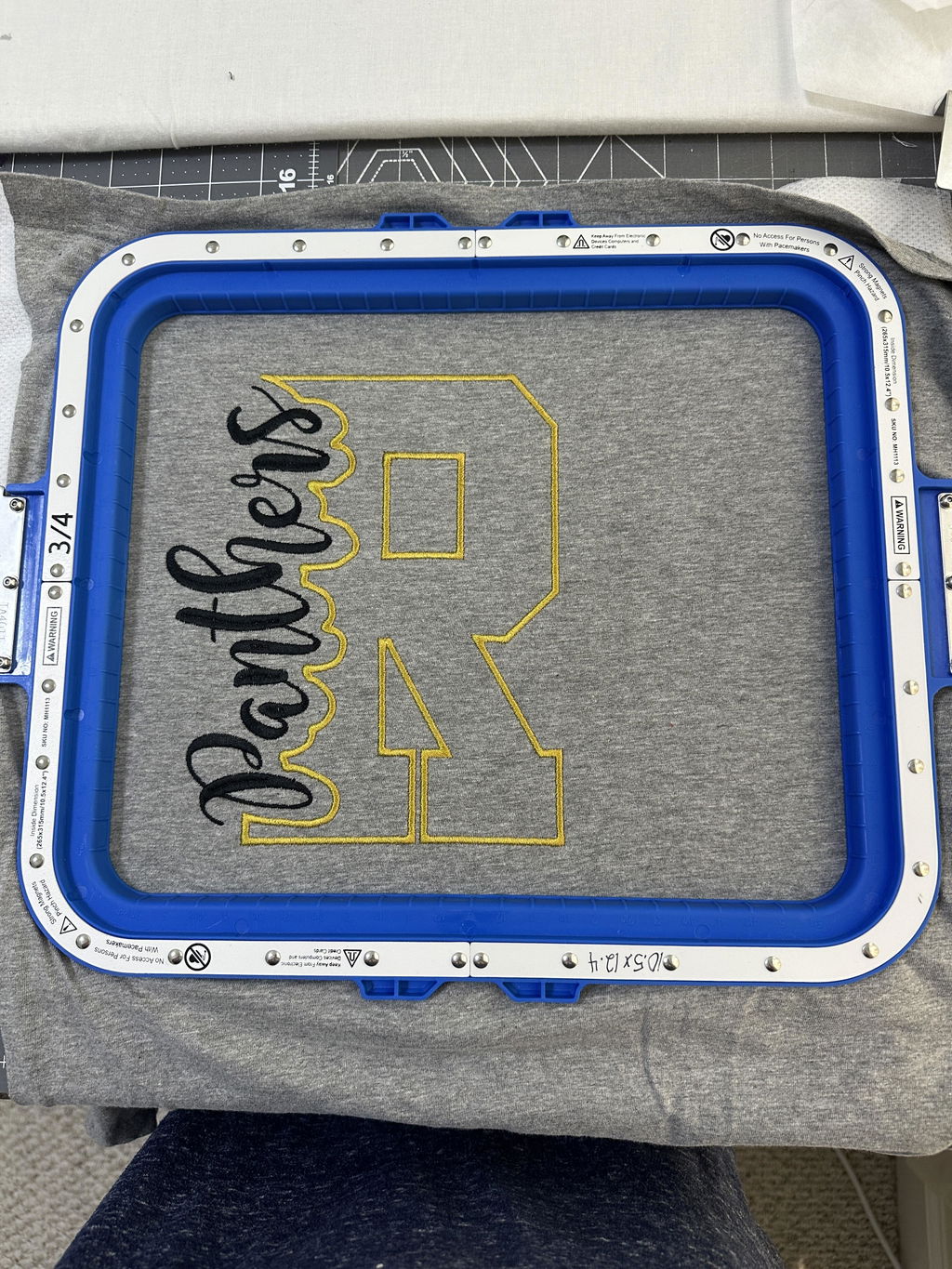
1. Introduction to Towel Embroidery Essentials
Embroidered towels turn everyday terry cloth into personalized décor and meaningful gifts. The plush pile, stabilizer choice, and exact placement can make or break results. This guide walks through preparation, design selection, stabilizer strategy, hooping and alignment, machine setup, finishing, troubleshooting, and gift ideas—so your towels look professional wash after wash. You’ll also see how a magnetic embroidery hoop can simplify thick fabrics and help prevent hoop burn.
Table of Contents
- 1. Introduction to Towel Embroidery Essentials
- 2. Preparation and Design Selection
- 3. Stabilizer Strategies for Flawless Results
- 4. Precision Hooping and Design Placement
- 5. Machine Setup and Stitching Execution
- 6. Post-Embroidery Care and Maintenance
- 7. Troubleshooting Common Towel Embroidery Issues
- 8. Personalized Embroidered Towel Gift Ideas
- 9. Conclusion: Key Takeaways for Perfect Towel Embroidery
- 10. FAQ on Embroidering Towels
2. Preparation and Design Selection
Before your machine starts stitching, dial in the basics so your towel embroiders cleanly and lasts.
2.1 Pre-Washing and Fabric Preparation
Pre-wash towels to remove sizing and shrink fibers, then tumble dry. Press to smooth wrinkles and tame the pile for an even surface. Run a quick test on a scrap or hidden corner to check stabilizer, thread, design, and tension—small trials prevent big surprises.
2.2 Choosing Embroidery Designs for Terry Cloth
Terry’s loops can swallow stitches, so pick designs that ride on top:
- Satin stitches over dense fills: Satin lines stay bold and raised; dense fills can stiffen the towel and sink into the pile.
- Knockdown stitches: A base layer that gently flattens loops for crisp edges and clearer lettering or motifs.
- Test size and placement: Stitch on scrap to confirm scale, coverage, and visibility.
3. Stabilizer Strategies for Flawless Results
Stabilizers are the backbone of tidy towel embroidery. Choose the type and application method that match your towel.
3.1 Selecting Stabilizers Based on Towel Type
| Stabilizer Type | Best For | How to Apply | Recommended Brands |
|---|---|---|---|
| Tear-Away | Thick, woven towels; dense designs | Hoop 1–2 layers with the towel; pair with a water-soluble topper for best results. | Sulky Tear-Easy™, Bernina |
| Wash-Away (Topping) | Preventing stitch sink | Float on top of the towel, covering the embroidery area. Removes cleanly with water after stitching. | Sulky Solvy®, Floriani |
| Adhesive Tear-Away | Bulky or hard-to-hoop towels | Hoop stabilizer, activate adhesive (e.g., with water), then press towel onto sticky surface for secure floating. | Floriani Wet N Stick®, Perfect Stick® |
| Cut-Away | Stretchy or knit towels (rare) | Fuse to the back for permanent support; trim excess after embroidery. | Soft’n Sheer (for knits) |
Pro tip: Most standard towels shine with tear-away on the back plus a wash-away topper on the front. For extra-thick or unruly towels, adhesive tear-away supports easy floating.
3.2 Application Methods: Hooping vs. Floating
Choose the approach that protects the pile and locks placement. Using magnetic hoops for embroidery machines can make thick towels easier to secure without marks.
Hoop and frame setup: If the towel fits comfortably, hoop it with stabilizer and a topper for maximum stability and minimal shifting.
Floating (for bulky towels or to avoid hoop burn):
- Hoop sticky-back tear-away stabilizer, adhesive side up.
- Mark center and axis lines (N–S/E–W) on stabilizer and towel; score and peel a window to reveal adhesive.
- Align marks and press the towel onto the sticky area, smoothing flat.
- Add a water-soluble topper over the embroidery area and secure with pins outside the stitch field or a basting stitch.
- Attach the hoop, confirm alignment, and stitch.
Best practices: Always test the combo on scrap, tear away gently, and rinse toppers thoroughly for a soft finish.
4. Precision Hooping and Design Placement
Straight, centered placement is the difference between "homemade" and "high-end."
4.1 Standard Placement Measurements by Towel Type
| Towel Type | Distance Above Hem | Design Height |
|---|---|---|
| Bath Towel | 4" | 4" |
| Beach Towel | 5" | 5" |
| Hand Towel | 3" | 3" |
| Wash Cloth | 1.5" | 1.5" (often angled at 45°) |
| Sports/Golf Towel | 1.5" (below grommet) | 1–2" |
How to hit the mark:
- Bath towels: Center 4" above the hem or 1–2" above a dobby border.
- Hand towels: 3" above the hem.
- Wash cloths: 1.5" up; a 45° angle often looks great.
- Sports towels with grommets: Center horizontally, 0.5" below the grommet.
Fold towels the way they’ll hang (e.g., triple-fold for bath) before marking, then draw crosshairs with a water-soluble pen. Templates or hoop grids add accuracy.
4.2 Advanced Floating Techniques for Alignment
For plush towels, floating prevents hoop burn and supports precise alignment:
- Hoop sticky-back tear-away and tighten until taut.
- Mark center and axis lines on towel and stabilizer.
- Cut and peel a window in the stabilizer over the center.
- Float the towel onto the sticky area, matching crosshairs and smoothing flat.
- Add a water-soluble film topper; pin outside the stitch field or baste.
- Double-check alignment before stitching.
Level up: Consider sewtalent magnetic hoops to secure towels evenly—no screws, reduced distortion, and no hoop burn. Even pressure limits shifting, and reference lines speed alignment.
5. Machine Setup and Stitching Execution
You’ve prepped, marked, and hooped. If you floated using magnetic hoops for embroidery, verify alignment before you stitch.
5.1 Optimal Thread, Needle, and Tension Settings
Needle: A sharp #14 handles dense towels cleanly and reduces thread breaks on multi-needle embroidery machines.
Thread: Choose high-quality embroidery threads for strength and sheen; high-contrast colors pop on dark towels.
Tension: Test on scrap to avoid puckering or uneven stitches. If thread breaks occur, check needle wear, burrs on the throat plate, over-stabilizing, and bobbin tension.
Pro tips: Store thread airtight; clean tension discs and the bobbin area regularly.
5.2 Monitoring Stitch Quality on Thick Fabrics
- Slow down: Lower speed to help the needle penetrate and thread settle.
- Stitch center-out: Keeps balance and reduces shifting.
- Watch for puckering: Adjust stabilizer and tension as needed.
- Pause to fix issues: A brief stop beats a ruined towel.
- Press from the wrong side with low heat and a pressing cloth to set stitches.
If you floated with magnetic embroidery frames, consistent pressure helps the towel stay put while you fine-tune speed and tension.
6. Post-Embroidery Care and Maintenance
Finish well so towels stay soft and the design stays bold.
6.1 Stabilizer Removal and Pressing
- Tear-away: Gently peel from the back while supporting stitches.
- Water-soluble topping: Tear excess, then dab or rinse with lukewarm water to clear residue.
- Pressing: Cover the embroidery, press from the wrong side on low heat, or use a steamer for delicate towels.
6.2 Washing and Long-Term Preservation
- Wash: Cold or lukewarm water, mild detergent, gentle cycle; turn inside out and use a mesh bag.
- Dry: Air dry or tumble low; lay flat for linen or heavily embroidered towels.
- Iron: Never press directly on stitches; cover or steam.
- Stains: Treat promptly with mild options; rinse thoroughly.
- Fabric tips: Cotton loves gentle machine care; linen prefers hand washing and flat drying.
Careful finishing preserves loft and clarity—especially if you avoided hoop marks by floating or using a magnet hoop.
7. Troubleshooting Common Towel Embroidery Issues
Even pros run into thread breaks, misalignment, sunken stitches, and hoop burn. These fixes keep projects on track.
7.1 Solving Thread Breaks and Misalignment
| Problem | Solution |
|---|---|
| Low-quality thread | Use premium embroidery threads to reduce shredding and breakage. |
| Improper threading | Re-thread, ensuring a smooth path through all guides. |
| Dull or damaged needles | Replace frequently; check for burrs on needle and throat plate. |
| Tension imbalances | Slightly tighten top tension; loosen bobbin if needed. |
| Stabilizer overload | Use a single layer of medium-weight cutaway to reduce friction and stress. |
Pro tips: Inspect break type (shredded vs. snapped), check for snags along the thread path, and clean lint from tension discs and the bobbin case. For placement issues, use adhesive spray, a secure floating method, or careful hoop tightening to avoid distortion.
7.2 Preventing Stitch Sinking and Hoop Burn
| Issue | Solution |
|---|---|
| Stitch sinking | Always use a water-soluble topping over the towel’s surface. |
| Insufficient stabilizer | One medium-weight layer provides balanced support. |
| Design density | Add knockdown or reduce density to suit the pile. |
A topper acts like a trampoline, keeping stitches above the loops for a crisp finish. To avoid hoop burn, float the towel—or clamp with magnetic hoops for even pressure and easy setup.
8. Personalized Embroidered Towel Gift Ideas
Embroidered towels make memorable, functional gifts.
8.1 Design Themes and Customization Tips
- Monograms & initials: Classic for weddings, anniversaries, and housewarmings.
- Logos & bold artwork: Keep shapes simple so details don’t get lost in the pile.
- Themed motifs: Seasonal or beach designs work beautifully; coordinate colors with décor.
Use high-contrast thread, test size and placement, and add knockdown for intricate details.
8.2 Material Selection for Practical vs. Decorative Use
| Purpose | Examples | Towel Type |
|---|---|---|
| Practical | Gym, kitchen, guest towels | Thick, absorbent terrycloth |
| Decorative | Wedding/spa gifts, displays | Lightweight microfiber/beach |
Presentation counts: Ribbon, bags, or baskets elevate the gift. Choose simple designs, vivid colors, and fabrics suited to how the towel will be used.
9. Conclusion: Key Takeaways for Perfect Towel Embroidery
Success on towels comes from smart prep and precise execution: pre-wash and press, pair stabilizers with a water-soluble topper, float to avoid hoop burn, and place designs using reliable measurements. Test, adjust tension and speed, and finish gently. With these habits—and helpful tools like magnetic hoops—you’ll create keepsake-quality towels.
10. FAQ on Embroidering Towels
10.1 Can I embroider a towel without using a topper stabilizer?
No. Terry’s pile causes stitches to sink. A water-soluble topper creates a smooth surface so stitches stay visible and professional.
10.2 How do I remove stubborn stabilizer residue from embroidered towels?
Rinse in cold or lukewarm water, dabbing with a damp cloth or sponge. Repeat or soak briefly if needed; avoid scrubbing.
10.3 What’s the best thread color for embroidering on dark towels?
High-contrast colors—metallics or bright hues—stand out best. Test on scrap before embroidering the final piece.
10.4 How do I prevent embroidery from sinking after multiple washes?
Use a water-soluble topper during stitching and favor satin or knockdown foundations. Avoid fabric softeners and reshape gently after washing.
10.5 Can I use regular sewing thread for towel embroidery?
Use embroidery thread for durability, sheen, and colorfastness; regular sewing thread may lack strength and visual impact.
10.6 What should I do if my towel develops hoop burn?
Float the towel to prevent marks. If hoop burn appears, lightly steam or brush fibers to lift the pile; avoid ironing directly.
10.7 How do I keep my embroidery straight and centered?
Fold to find center, mark crosshairs with a water-soluble pen, and align to your hoop grid or template before stitching.
10.8 Is it safe to wash embroidered towels in the washing machine?
Yes—use cold or lukewarm water, a gentle cycle, and turn inside out. Mesh bags add protection; air dry or tumble low.
10.9 What needle size should I use for machine embroidering towels?
A sharp #14 (90/14) suits most thick towels; size 11 (75/11) can work for lighter towels. Start with a fresh, quality needle.
10.10 How do I avoid thread breaks when embroidering towels?
Use quality thread, replace needles often, ensure a smooth thread path, clean tension parts, avoid over-stabilizing, and test tension on scrap.