1. Introduction to Permanent Fabric Glue
Permanent fabric glue is a quiet powerhouse for textile repairs and creative builds. From patching denim and leather to adding rhinestones or restoring outdoor gear, these adhesives deliver fast, reliable, needle-free bonds. Modern formulas grip cotton, denim, polyester, and leather, staying flexible and strong through many wash cycles. This guide compares leading brands, matches glues to materials and use cases, details step-by-step techniques, and highlights safety and creative ideas—so your repairs stay secure and your projects look polished.
Table of Contents
- 1. Introduction to Permanent Fabric Glue
- 2. Top Permanent Fabric Glue Brands and Features
- 3. Choosing the Best Glue: Comparisons and Use Cases
- 4. Step-by-Step Repair Techniques
- 5. Durability Through Washes and Wear
- 6. Specialized Applications for Challenging Materials
- 7. Safety and Non-Toxic Alternatives
- 8. Creative DIY Projects and Embellishments
- 9. Where to Buy and Pricing Guide
- 10. Conclusion: Mastering Fabric Repairs
- 11. FAQ
2. Top Permanent Fabric Glue Brands and Features
Permanent fabric glues now cover everything from delicate embellishments to rugged field repairs. Here’s how the standouts compare.
2.1 Leading Brands: E6000, Aleene’s, Gorilla & More
| Brand | Wash Resistance | Flexibility | Waterproofing | Drying Time (Initial/Cure) | Best For |
|---|---|---|---|---|---|
| E6000 | Excellent | High | Moderate | 5–30 min / 24 hrs | Rhinestones, high-stress projects |
| Speed-Sew | Excellent | High | Moderate | 5–30 min / 24 hrs | Machine-washable garments |
| Aleene’s | Good | High | Moderate | 24–30 min / 24 hrs | Flexible bonds, multi-fabric use |
| Gorilla | Moderate | High | Moderate | 5–30 min / 24 hrs | Heavy-duty repairs |
| Tear Mender | Superior | Moderate | Excellent | 3 min / 15 min | Outdoor gear, UV exposure |
Brand highlights
- E6000 Craft Adhesive: Industrial-strength hold with flexibility; a go-to for rhinestones and stress points. Precise syringe-style application supports detailed work.
- Speed-Sew Premium Fabric Glue: Strong, even on heavy garments; knife-spread application simplifies large-area bonding.
- Aleene’s Fabric Fusion: Permanent and flexible on cotton, denim, and leather; machine-washable after 48 hours with needle-tip precision.
- Gorilla Fabric Glue: Clear-drying, flexible strength for heavy-duty fabrics; washer/dryer safe for patches and hems.
- Tear Mender Instant Adhesive: UV-resistant, waterproof, and fast setting—ideal for tents, tarps, and awnings.
Application methods
- E6000: Syringe for pinpoint placement—great for rhinestones.
- Speed-Sew: Knife spread for smooth coverage on big surfaces.
- Aleene’s: Needle-tip bottle for precise, multi-fabric projects.
- Tear Mender: Squeeze and set—built for quick outdoor repairs.
For embellishments or intricate layouts, a magnetic frame for embroidery machine can keep fabric flat while adhesive sets.
Pricing insights
- Budget-friendly: Aleene’s Fabric Fusion and Gorilla Fabric Glue.
- Premium: E6000 and Speed-Sew justify higher prices with superior strength and wash resistance.
- Specialized: Tear Mender offers quick cure and UV resistance at an accessible price.
Performance takeaways
- Strength tests: E6000 and Speed-Sew outperformed Aleene’s on heavy fabrics like denim.
- Outdoor use: Tear Mender’s UV/waterproof combo excels on tents, awnings, and gear.
- Flexibility: Aleene’s and E6000 maintain mobility—key for costumes and active wear.
Pro tip: Aleene’s balances versatility and cost; E6000 or Speed-Sew win for high-stress or heavy-duty tasks.
2.2 Specialized Glues for Unique Needs
- Tear Mender: UV-resistant and waterproof; cures fast for tents, tarps, and awnings.
- Beacon Fabri-Tac: Gel-like, strong, and flexible; a favorite for denim repairs and craft embellishments that dry clear.
- Gorilla Fabric Glue: Cited as a 100% waterproof, no-sew option with crystal-clear, flexible bonds for hems, trims, and embellishments.
Insider’s note: Always test on a fabric scrap first. The right glue can be the difference between a repair that lasts a season and one that survives for years.
3. Choosing the Best Glue: Comparisons and Use Cases
3.1 Strength and Durability Face-Off
- E6000 Craft Adhesive: Consistently the strongest in side-by-side trials, especially on denim and thick fabrics—ideal for gems and reinforced seams.
- Speed-Sew Fabric Glue: A close contender that held denim securely after 24 hours; dependable for heavy fabrics and stress points.
- Aleene’s Fabric Fusion: Weaker in direct pull tests, but prized for flexible, permanent bonds that launder well.
- Gorilla Fabric Glue: Solid on heavy fabrics, though some noted a thicker feel and strong odor; can be less resilient to repeated washes than E6000 or Speed-Sew.
YouTube takeaway: On denim, Speed-Sew and E6000 often gripped so strongly that fabric tore before the glue failed. Aleene’s could be peeled under force despite easier application and lower odor.
3.2 Material Compatibility Guide
| Glue | Best For | Limitations |
|---|---|---|
| Aleene’s Fabric Fusion | Nylon, fleece, cotton, denim | May stiffen fabric |
| E6000 | Heavy-duty repairs, gems | Less flexible, longer drying time |
| Beacon Fabri-Tac | Denim | N/A |
| Tear Mender | Patches, quick repairs | Temporary hold |
| iCraft Fabric Fuse | General use, fabric art | Limited availability in tests |
| Loctite Vinyl Adhesive | Vinyl, synthetic fabrics | May yellow with UV exposure |
| Fiebing’s Leathercraft Cement | Leather | May not suit large tears |
Real-world insights
- Denim & cotton: Beacon Fabri-Tac and Speed-Sew are reliable for strength and flexibility.
- Vinyl: Loctite Vinyl Fabric & Plastic Repair is tuned for slick surfaces.
- Leather: Fiebing’s Leathercraft Cement is quick-drying and non-toxic.
- Outdoor fabrics: Tear Mender’s UV resistance stands out.
User feedback: Aleene’s can stiffen some fabrics; E6000 is strong but needs more cure time.
Bottom line: Aleene’s hits the value/versatility sweet spot for everyday fixes. Choose E6000 or Speed-Sew for structural or high-stress bonds, and go niche for specialty materials.
4. Step-by-Step Repair Techniques
Technique determines whether your repair is clean, flexible, and washable—no sewing required.
4.1 Mending Clothes and Embellishments
Prep first: Pre-wash garments without softener to remove residues. Clean the area, trim loose threads, and turn inside out for tidy results. Always test on scrap fabric to avoid discoloration or stiffness.
Application
- Apply a thin, even layer; too much causes seep-through and stiffness.
- For hems and embellishments, bead glue on both surfaces, spread lightly, and press.
- Stabilize with clips or pins. For stretchy or slick fabrics, consider a magnetic embroidery hoop for extra stability (see 4.3).
- For stubborn tears, add even pressure with a flat object.
Drying and curing: Speed-Sew can set in under a minute; Aleene’s and Gorilla typically need 24–48 hours before washing. Follow each label.
Pro tips
- Slip cardboard inside garments to prevent seep-through.
- Use a fan brush for even coverage on large denim patches.
- Wipe squeeze-out promptly with a damp cloth.
4.2 Waterproof Repairs for Outdoor Gear
Prep: Pre-wash (no softener), dry, and wipe the area with IPA.
Application for tents, tarps, and gear
- Gorilla Fabric Glue: Apply to both surfaces, wait 1–2 minutes, press 30 seconds; full cure ~24 hours (up to 72 for max strength).
- Tear Mender: Thin coat, press, sets in ~3 minutes; washer/dryer safe after cure and built for UV and water.
Tips
- Avoid over-application to reduce stiffness.
- Use a zigzag pattern for large patches.
- Test first on high-polyester or nylon blends.
Aftercare: Wait 3 days before wash or heavy rain; use gentle cycles and air dry.
4.3 Pro Tip: Stabilizing Fabrics for Precision Work
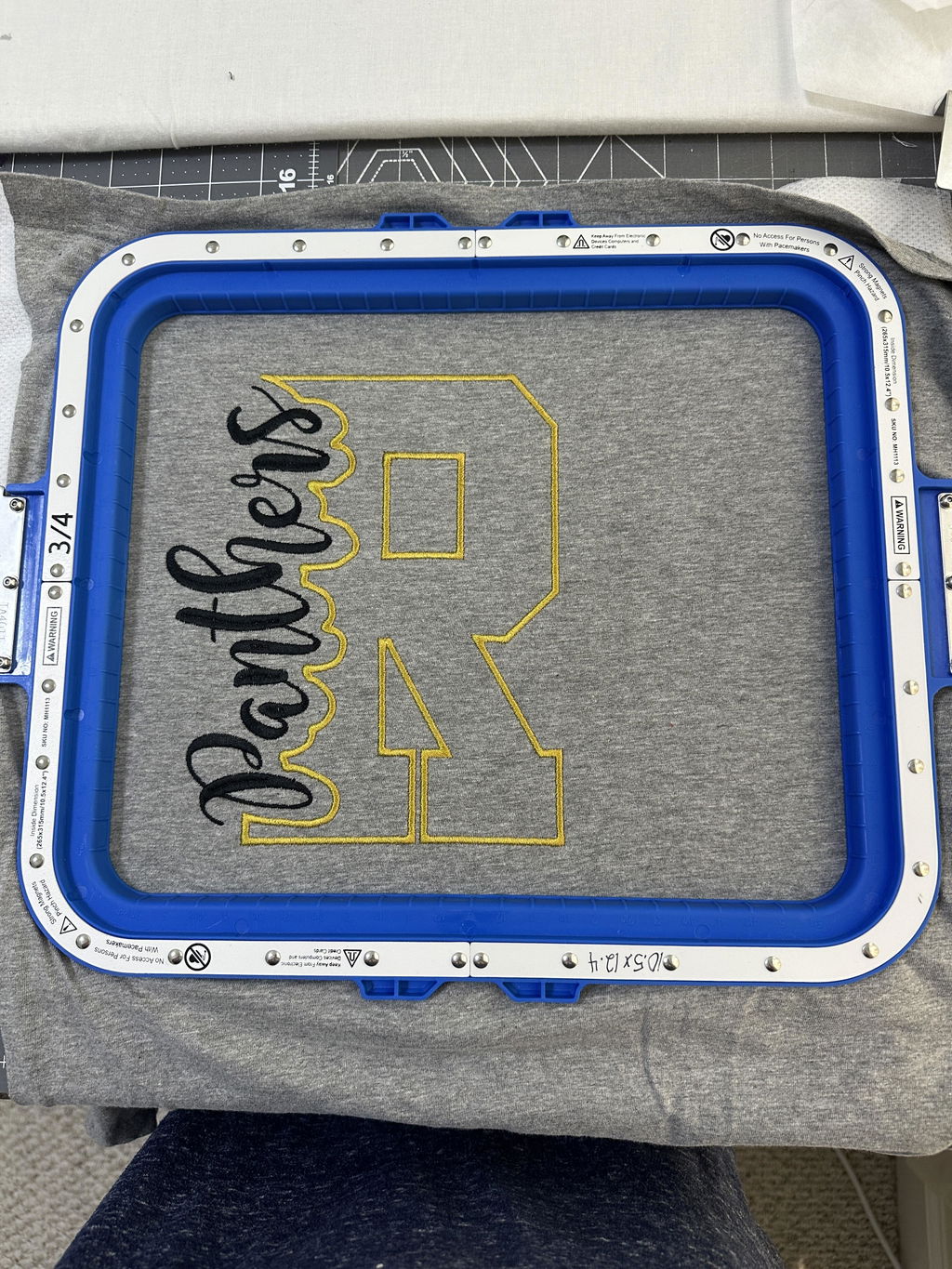
For precision repairs or embellishments, magnetic hoops are a game-changer. Magnetic embroidery hoops adapt to varied fabric thicknesses, secure layers without fiddly screws, and reduce hoop burn.
Sewtalent’s textured contact and guiding lines help keep fabric flat and aligned, speeding repetitive tasks. Well-placed magnetic hoops minimize shifting so intricate details land exactly where you want them.
5. Durability Through Washes and Wear
Strong repairs need careful curing, washing, and aftercare to stay flexible and invisible.
5.1 Washing Protocols for Longevity
Curing is crucial: Most glues need 24–72 hours for full-strength, flexible bonds.
- Gorilla Fabric Glue: Cures in 24 hours; survives 30+ wash cycles.
- Tear Mender: Sets in 3 minutes; stands up to multiple washes.
- Aleene’s Flexible Glue: Allow 7–10 days before hand washing for maximum flexibility.
| Factor | Best Practice | Impact on Glue |
|---|---|---|
| Water Temperature | Cold water cycles | Prevents thermal degradation |
| Drying Method | Air-drying | Avoids heat-induced bond weakening |
| Detergent | Mild, non-chlorine formulas | Preserves adhesive integrity |
- Wait to wash: Don’t launder until fully cured; some labels recommend 48 hours before machine washing.
- Gentle cycles: Turn garments inside out; avoid bleach.
- Air dry: High heat can weaken bonds.
Product notes: Gorilla is waterproof but not iron-safe; Aleene’s is flexible for stretch; E6000 is moisture-resistant with limited heat tolerance.
5.2 Avoiding Common Failure Points
- Peeling edges: Reapply glue or add discreet stitches; use thin reinforcement layers.
- Stiffness: Less is more—thin coats maintain comfort.
- Heat/chemicals: Avoid hot water, high-heat drying, and bleach.
- Aesthetics: Most glues dry clear; always test to check for residue or color shift.
- Maintenance: Touch up lifted edges to extend repair life.
6. Specialized Applications for Challenging Materials
6.1 Leather and Vinyl Repairs
Leather
- Prep: Clean with a 70:30 IPA solution.
- Adhesives: Tear Mender for waterproof, UV-resistant flexibility; Gorilla Fabric Glue for bonding leather to fabric/embellishments.
- Tips: Use precision applicators; build deep repairs in thin layers.
Vinyl
- Prep: Clean with mild detergent or IPA; dry completely.
- Adhesive: Industrial Fabric & Vinyl Adhesive; clear, low odor, machine washable.
- Tips: Maintain pressure with a weight; avoid stretching during cure.
Limitations: Vinyl’s low absorption challenges adhesion; avoid high heat.
6.2 Outdoor Fabric Solutions
- Prep: Pre-wash and dry thoroughly.
- Adhesives: Gorilla for canvas/nylon/polyester with 100% waterproof claims; Tear Mender for eco-friendly, quick drying.
- Technique: Zigzag glue on large patches; test for discoloration or stiffness.
- UV resistance: Formulations suit tents, tarps, and awnings.
7. Safety and Non-Toxic Alternatives
7.1 Health Risks and Safe Handling
Solvent-based glues can include VOCs that irritate skin/eyes and cause dizziness; always ventilate and use gloves/goggles. Safety sheets warn of severe harm if ingested and recommend immediate medical help after accidental exposure.
Water-based options like Aleene’s Fabric Fusion and Dritz Liquid Stitch are non-toxic and low-odor, suitable for classrooms and homes. Store sealed, away from heat, and follow local rules for disposal.
Emergency protocols
- Ingestion: Seek medical help immediately.
- Skin/eye contact: Rinse thoroughly; see a provider if irritation persists.
7.2 Eco-Friendly Options
Soy- and water-based glues improve safety and sustainability. Aleene’s Fabric Fusion (water-based urethane) and Dritz Liquid Stitch are clear-drying, washable choices.
| Glue Type | Toxicity | Biodegradability | Washable |
|---|---|---|---|
| Traditional (Gorilla) | High (skin/eye irritation, organ damage) | No | Yes |
| Soy-Based | Low (non-toxic) | Yes | Limited |
| Water-Based (Aleene’s) | Low (non-toxic) | Partial | Yes |
Trend: Biodegradable packaging and plant-based formulas are on the rise. Non-toxic glues may trade some flexibility or wash resistance but suit most everyday projects.
8. Creative DIY Projects and Embellishments
8.1 No-Sew Wall Art and Upcycling
Yarn art wall hangings
- Materials: Canvas, colorful yarn, fabric glue (Aleene’s Turbo Tacky), scissors, tweezers.
- Steps: Sketch or arrange yarn; apply glue along yarn; press, layer, and trim; dry fully before hanging.
Stencil techniques
Use stencils to create crisp shapes. You can find embroidery designs for download and press fabric or yarn into place for sharp edges. If you decorate frequently, magnetic embroidery frames help keep fabrics flat while details cure.
Upcycling clothes
Patch jeans, reinforce hems, or add appliqués stitch-free. Apply sparingly with a toothpick or Q-tip. Let cure for about 12 hours before wear or wash.
Pro tip: Beacon Fabri-Tac is popular for clear-drying, flexible bonds on craft and denim projects.
8.2 Advanced Techniques for Custom Designs
Precision with magnetic hoops
For embroidered patches or intricate appliqués, magnetic hoops for embroidery machines keep fabric taut and aligned, so every edge lands where it should—goodbye shifting and guesswork.
3D and textured effects
Blend glue with pigments or glitter, apply through stencils or freehand for raised textures, and layer for dimensional embellishments. Always test before laundering.
Best practices
- Thin, even layers maximize flexibility.
- Use nozzle-controlled bottles for precision.
- Test on scrap fabric before committing.
Safety note: Non-toxic formulas like Aleene’s and Speed-Sew are friendly for most home projects.
9. Where to Buy and Pricing Guide
9.1 Cost Analysis by Brand
| Brand | Price Range | Size | Key Features |
|---|---|---|---|
| Aleene’s Fabric Fusion | $5.99–$8.99 | 2–8 fl. oz | Flexible, machine-washable, budget-friendly |
| Gorilla Fabric Glue | $8.99 | 4 fl. oz | Heavy-duty, strong on leather/denim |
| E6000 Craft Adhesive | $10.13 | 4 fl. oz | Industrial-grade, UV-resistant |
| Beacon Fabri-Tac | $10–$16.03 | 4 fl. oz | Crystal-clear, heat-resistant |
| Speed-Sew | $9.99 | 4 fl. oz | Waterproof, precision tip |
| HeatnBond Fabric Fuse | $5.99 | 2 fl. oz | Quick bonds, less flexible |
Bulk savings: Aleene’s 8 fl. oz reduces cost to about $2.57 per ounce.
9.2 Trusted Retailers: Amazon and Beyond
Amazon
- Broad selection (Aleene’s, Gorilla, E6000, Speed-Sew, HeatnBond), frequent deals, and global shipping.
Walmart
- Stocks popular options like Speed-Sew and Aleene’s.
Craft stores (Michaels, Hobby Lobby)
- Good for specialty glues like Beacon Fabri-Tac and HeatnBond. For steadier layout while gluing trims or patches, a magnetic hoop helps stabilize fabric.
Online retailers
- Niche sites often carry specialty options like Tear Mender or Tesa Multi-Purpose.
Key considerations
- Check drying/cure times (E6000 often needs 24–72 hours; Aleene’s can dry in under 30 minutes in thin layers).
- Always test on scrap fabric first.
- For outdoor or heavy-duty repairs, premium brands pay off in durability.
Pro tip: Aleene’s is a solid all-around pick; Gorilla or Tear Mender are smart for heavy fabrics or outdoor gear.
10. Conclusion: Mastering Fabric Repairs
Permanent fabric glue lets you repair and embellish with confidence—no sewing required. Choose the right adhesive for your material, prep and cure carefully, and follow wash-safe practices. Test on scrap first, and stabilize when needed for precision. With these insights, you’ll achieve strong, flexible, washable bonds that look clean and last.
11. FAQ
11.1 Q: Can I iron over fabric glue?
A: It’s not recommended, especially with Gorilla Fabric Glue. High heat can weaken bonds or release fumes. When in doubt, avoid ironing over glued areas.
11.2 Q: How do I remove dried fabric glue from fabric?
A: Soak in cold water overnight, then gently scrape with a flat blade. For stubborn residue, acetone may help—test on a hidden area first.
11.3 Q: Are permanent fabric glues safe for all fabrics?
A: Most work on cotton, denim, polyester, and leather. Always test on scrap to check for stiffness or visible residue.
11.4 Q: How long should I wait before washing a glued repair?
A: Wait for a full cure—typically 24 to 72 hours depending on brand and glue thickness.
11.5 Q: What’s the best way to apply fabric glue for a strong bond?
A: Apply thin, even coats to both surfaces, press together, stabilize with clips or weights, and let the glue cure completely before washing.