1. Introduction to Machine Embroidery Fundamentals
Machine embroidery blends precision, speed, and artistry to turn ideas into stitched designs. From monogrammed gifts to personalized décor—or even a side hustle—learning the essentials of hoops, threads, and stabilizers removes the overwhelm and unlocks creative freedom. In this guide, you’ll learn the core supplies, beginner-friendly machines, starter projects, troubleshooting steps, and smart budgeting tips to build confidence one stitch at a time.
Table of Contents
- 1. Introduction to Machine Embroidery Fundamentals
- 2. Essential Supplies for Getting Started
- 3. Choosing Your First Embroidery Machine
- 4. Simple Starter Projects to Build Confidence
- 5. Troubleshooting Common Beginner Issues
- 6. Budget-Friendly Setup Strategies
- 7. Must-Have Learning Resources
- 8. Conclusion: Your Embroidery Journey Starts Here
- 9. Machine Embroidery FAQ
2. Essential Supplies for Getting Started
Before your first stitch-out, set up a simple toolkit that covers machines, stabilizers, thread, needles, and hooping basics.
2.1 Core Tools: Machines, Threads, and Stabilizers Explained
Embroidery Machines: For beginners, the Brother PE800 is a popular, budget-friendly pick with a 5\"x7\" hoop—big enough for most starter projects. If you want more speed, larger designs, and automatic jump-stitch trimming, the Brother Innov-is NQ1600E is a strong upgrade.
Stabilizers: Stabilizers prevent distortion and keep stitches crisp.
| Type | Best For | Recommended Brands |
|---|---|---|
| Cut-Away | Knits, sweatshirts, dense stitching | Sulky, Pellon, StabilStick |
| Tear-Away | Cotton, denim, medium-weight fabrics | Sulky, Pellon |
| Water-Soluble | Towels, linen, silk, lace, as a topper | Sulky, Pellon |
| Fusible Polymesh | Lightweight knits, baby items | Sulky, Pellon |
| StabilStick (adhesive) | Slippery fabrics (t-shirts, jeans) | Sulky |
Threads and Bobbins:
- 40-weight polyester thread is the everyday workhorse (Exquisite, Floriani, Sulky).
- 50-weight helps with fine details.
- Use bobbin thread that fits your machine; pre-wounds are convenient.
Needles:
- 75/11 Ballpoint for knits and most projects; sharp/titanium for thicker fabrics and dense stitching.
- Brands like Schmetz and Organ are reliable.
Other Essentials:
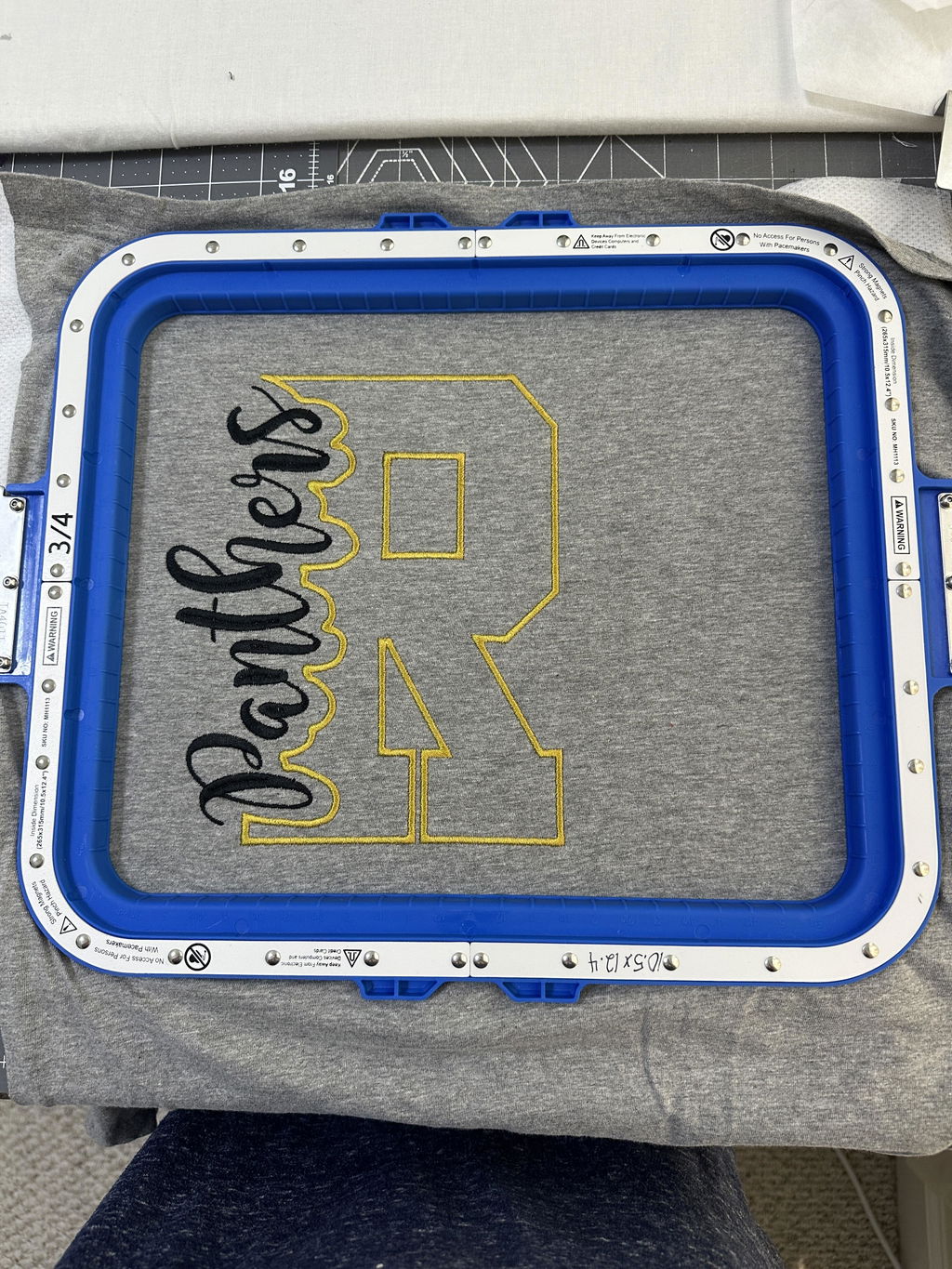
- Hoops: Start with 5\"x7\"; larger hoops (e.g., 6\"x10\") expand design options. Magnetic options such as magnetic hoops for embroidery are also popular for better grip and speed.
- Curved snips for close trimming, a mini iron for appliqué, and temporary adhesive spray (Therm O Web Spray N Bond) make setup easier.
- Beginner-friendly software like Embrilliance helps edit and convert files.
Budget vs. Premium:
- Threads: Exquisite and Floriani deliver quality at fair prices; Sulky is a solid budget choice; Pacesetter skews premium.
- Stabilizers: Sulky and Pellon cover most needs; StabilStick is a premium adhesive option.
- Needles: Schmetz and Organ are top picks; generics can be fine for practice.
Usage Tips:
- Match stabilizer to fabric (cut-away for knits, tear-away for cotton, water-soluble as a topper on towels and lace).
- Replace needles every 1–2 projects to avoid skipped stitches and breaks.
- Choose thread colors that contrast with fabric for maximum impact.
Pro Tip: Start with a basic kit—medium-weight cut-away, tear-away, a water-soluble topper, 40-weight polyester thread, and 75/11 needles. Add more as you grow.
2.2 Stabilizer Selection Guide: Matching Types to Fabrics
- Cut-Away Stabilizer
- Best for: Knits, stretchy fabrics, garments washed often
- Why: Stays in the garment to prevent distortion
- Example: T-shirts, sweatshirts, baby onesies
- Tear-Away Stabilizer
- Best for: Stable woven fabrics
- Why: Tears away cleanly after stitching
- Example: Cotton tote bags, napkins, denim jackets
- Water-Soluble Stabilizer
- Best for: Towels, velvet, lace, or fabrics with nap/pile
- Why: Sits on top to keep stitches from sinking; rinses away
- Example: Bath towels, freestanding lace
Sewtalent Magnetic Hoops: The Secret to Consistent Tension
If hooping is causing puckers or slippage, that’s where magnetic embroidery hoops like Sewtalent’s help. Powerful magnets adapt to fabric thickness, reduce fiddly tightening, and keep tension even for smoother results and fewer do-overs—especially handy for quick repeats.
3. Choosing Your First Embroidery Machine
Selecting a first machine is like choosing your first car: you want reliability, room to grow, and the right features—without overspending. If you’re comparing an embroidery machine for beginners, focus on hoop size, ease of importing designs, and controls you’ll actually use.
3.1 Single-Needle vs Multi-Needle: Pros and Cons
Single-Needle Machines
- Best for: Hobbyists, beginners, small projects (monograms, patches)
- Pros: Lower upfront cost (e.g., Brother PE535 is a popular entry at ~$300), simpler learning curve, compact
- Cons: One thread color at a time (manual thread changes), smaller fields (typically 4\"x4\" or 5\"x7\")
Multi-Needle Machines
- Best for: Small businesses, frequent multi-color work
- Pros: Automatic color changes, larger fields (6\"x10\", 8\"x12\" and up), sturdier hoops for thick materials
- Cons: Higher cost (starting at ~$1,000), steeper learning curve, larger footprint
Hoop Size Matters
- 4\"x4\": Logos and patches
- 5\"x7\": Flexible sweet spot for names, medium designs
- Larger sizes (7.9\"x7.9\", 6\"x10\"): Bigger designs and growth potential
| Hoop Size | Usable Field | Best For |
|---|---|---|
| 4\"x4\" | 3.94\"x3.94\" | Small projects, patches |
| 5\"x7\" | 5\"x7\" | Medium designs, names |
| 7.9\"x7.9\" | 7.87\"x7.87\" | Quilts, home décor |
| 6\"x10\" | 5.7\"x9.45\" | Commercial, intricate designs |
Key Insight: A single-needle 5\"x7\" machine like the Brother PE800 or SE1900 is ideal for getting started. If you want fewer stops for color changes or plan to scale, a multi-needle is worth it.
3.2 Key Features for Beginners: USB, Hoop Sizes & Alignment Tools
| Feature | Why It Matters | Example Models |
|---|---|---|
| Built-in Designs | Quick wins without extra software | Brother PE535, Janome 400E |
| Fonts | Easy monogramming | Brother SE1900, Janome 400E |
| USB Connectivity | Import custom files (.pes, .jef, etc.) | Brother PE535, Janome 400E |
| Automatic Thread Cutter | Saves time and reduces waste | Janome 400E |
| Ease of Use | On-screen help, intuitive controls | Brother SE1900 |
Real-World Example: Brother SE1900 includes 138 built-in designs, 11 fonts, and a 5\"x7\" hoop.
Hooping Challenges & Alignment: Precise placement is critical. Tools like Sewtalent’s alignment guides and magnetic hoops for embroidery machines help position fabric accurately and reduce slippage.
Decision-Making Framework
- Project Scale - Small (4\"x4\"): Brother PE535 - Medium/Large (5\"x7\"+): Brother SE1900 or Janome 400E
- Budget - <$500: Brother PE535 - $500–$1,500: Brother SE1900 or Janome 400E
- Growth Potential - Prioritize larger fields if you plan to expand
Pro Tip: Ignore flashy extras you won’t use. Master the basics; you’ll know which advanced features matter later.
Ready to take the leap? With a solid starter machine and core supplies, you’ll be amazed how quickly your ideas stitch to life.
4. Simple Starter Projects to Build Confidence
Start with forgiving, flat items that are easy to hoop and quick to stitch. These projects build skills without the stress.
4.1 Kitchen Towels and Tote Bags: Low-Risk Practice
Why these work:
- Non-stretch fabrics (cotton, canvas) reduce puckering and distortion
- Minimal color changes keep the focus on fundamentals
- Useful, giftable results
Step-by-Step Success
- Choose Fabric: Smooth, stable materials; avoid stretch and bulk at first.
- Pick a Simple Design: Low stitch counts (icons, phrases, a single initial).
- Hooping & Stabilization: Tear-away or water-soluble for towels; tear-away for totes. Taut, not stretched.
- Machine Setup: Match bobbin thread to the fabric back. A 75/11 needle and 40-weight polyester thread are reliable. Your embroidery sewing machine settings should start slow for control.
- Stitching: Watch tension; pause for color changes.
- Finishing: Trim stabilizer; rinse water-soluble when used; press from the back.
Pro Tips
- Mark placement with an air-erase pen; use a template for accuracy.
- Leave margin for hoop clearance.
- Practice on inexpensive towels to build confidence.
4.2 Monogramming Techniques for Personalized Gifts
Monograms are timeless and great for practicing lettering and alignment.
- Built-In Fonts: Use your machine’s fonts for hassle-free setup.
- Placement: Use printed templates or built-in alignment guides; mark center and axis lines.
- Stabilizer: Tear-away for linen/cotton; cut-away or fusible polymesh for lightweight or sheer fabrics.
- Needle/Thread: 75/11 needle and 40-weight polyester for crisp results.
Monogram Workflow
- Mark & Hoop: Place marks, layer stabilizer, and hoop snugly.
- Select Font & Size: Smaller monograms (1–2 inches tall) suit napkins and towels.
- Stitch & Finish: Stitch, then trim stabilizer and press gently from the back.
Gift Ideas: Linen hand towels with a single initial, pillow shams with script monograms, custom totes.
Confidence Booster: Test stitches on scrap to verify tension and placement.
5. Troubleshooting Common Beginner Issues
Hiccups happen. Use these quick checks to turn frustration into progress.
5.1 Solving Thread Tension and Puckering Problems
Thread Tension Troubles
- Symptoms: Breaks, bobbin thread on top, uneven stitches
- Causes: Unbalanced tension, mis-threading, wrong needle
- Fixes:
- I-Test: Gently pull top thread (no fabric). If it snaps, loosen; if it sags, tighten. Adjust gradually.
- Rethread: Ensure the thread path includes all guides and tension discs.
- Needle Choice: Use embroidery needles (75/11 or 90/14) for smoother flow.
- Clean Bobbin Area: Lint disrupts tension.
Fabric Puckering
- Symptoms: Wrinkles around stitches
- Causes: Over-stretched hooping, weak stabilizer, high top tension
- Fixes:
- Hooping: Taut, not stretched.
- Stabilizer: Cut-away for knits, tear-away for cotton, water-soluble topper for towels/lace.
- Adhesive Spray: Improve grip between fabric and stabilizer.
- Fresh Needles: Dull points cause distortion.
| Issue | Likely Cause | Solution |
|---|---|---|
| Thread looping | Incorrect tension | Adjust tension, rethread |
| Skipped stitches | Dull needle | Replace needle |
| Needle breakage | Improper insertion | Reinsert needle correctly |
| Excessive noise | Lint buildup | Clean machine |
Pro Tip: Slow down for metallic threads or dense designs to reduce breaks and improve quality.
5.2 Needle Breakage and Design Misalignment Fixes
Needle Breakage
- Causes: Dull/bent needles, incorrect insertion, hitting a hoop or thick seam
- Fixes: Replace every ~8 hours or 1–2 projects; fully seat and orient the needle correctly; choose ballpoint for knits, sharp for heavy fabrics
Design Misalignment
- Symptoms: Skewed or offset stitching
- Causes: Poor hooping, fabric shift, insufficient stabilization
- Fixes: Hoop with stabilizer extending beyond the frame; use alignment marks/guides; add layers or adhesive-backed stabilizers on thin/slippery fabrics. Consistent clamping—such as with a magnetic embroidery hoop—also helps.
Maintenance Checklist
- Clean bobbin area regularly; lubricate as recommended.
- Confirm file format/size compatibility before stitching.
6. Budget-Friendly Setup Strategies
A smart starter kit keeps costs down without limiting results.
Essential Supplies for Beginners
- Embroidery Machine: Brother PE800 balances cost and features; start single-needle and skip multi-needle until you scale.
- Threads: Polyester or rayon; starter kits from Sulky are great.
- Bobbin Thread: Buy larger cones for savings.
- Stabilizers: Tear-away and cut-away cover most needs; sampler packs prevent overbuying.
- Needles: Stock 75/11 ballpoints.
Cost-Saving Alternatives
| Premium Option | Budget Alternative |
|---|---|
| Pre-wound bobbins | Wind your own from bulk thread |
| Specialized snips | Regular scissors or craft shears |
| Multi-needle machines | Single-needle (e.g., Brother PE800) |
| Heat N Bond Lite | Fusible stabilizer for appliqué |
Starter Kits & Bulk Buys
- Sulky Beginner Kit (stabilizer samplers, rayon threads, bobbin thread)
- Richword Starter Kit with discounted accessories
- 1,000-yard spools or cones for best value
Key Tips
- Prioritize essentials; delay extras and specialty tools.
- Watch sales and coupons.
- Test on scrap fabric to reduce waste and stress.
7. Must-Have Learning Resources
Level up faster with step-by-step videos, active communities, and design libraries.
7.1 Video Tutorials and Online Communities
Top YouTube Channels
- B-Hoo Creations: Beginner-focused videos on supplies, hooping, threading, stabilizers, and the “why” behind each step.
- Ricoma’s Embroidery Hub: 160+ tutorials from basics to advanced techniques, maintenance, and project ideas.
- Crafty Gemini: Hands-on projects, transferring designs, efficient hooping, and practical tips.
Online Forums and Groups
- Reddit’s r/Embroidery: Ask questions, share stitch-outs, and get quick feedback.
- Facebook Groups (e.g., Embroidery & Printing Business Help): Technical support and inspiration.
- Embroidery.com Community: Tutorials, live events, and showcases.
Pro Tip: Read your machine manual, then supplement with model-specific video walkthroughs.
7.2 Free Design Libraries and Local Workshops
Design Libraries
- EmbroideryShristi Forum: 5,000+ downloadable designs and tutorial support for beginners.
- Creative Fabrica & Enchanting Designs: Free and paid patterns updated with trending styles.
In-Person and Hybrid Learning
- Dealer Workshops: Hands-on guidance, machine-specific training, troubleshooting.
- Community Events: Craft fairs, sewing expos, and meetups to connect and learn.
Key Takeaway: Explore broadly—ask questions, try new designs, and practice consistently.
8. Conclusion: Your Embroidery Journey Starts Here
Machine embroidery is your passport to creativity and community. Start simple, invest in quality basics, and use the tutorials and groups available to you. Every expert was once a beginner. Practice on starter projects, celebrate small wins, and enjoy the process—your next favorite stitch is one start button away.
9. Machine Embroidery FAQ
9.1 Q: Can I use regular sewing thread for machine embroidery?
A: No. Use embroidery thread—usually 40-weight polyester or rayon—for stronger, smoother stitches and better results.
9.2 Q: How often should I change my embroidery needle?
A: About every 8 hours of stitching or after 1–2 projects to prevent breaks, skips, and fabric damage.
9.3 Q: What’s the best fabric for beginners to embroider on?
A: Cotton broadcloth. It’s stable, easy to hoop, and forgiving.
9.4 Q: Do I need special stabilizer for every project?
A: Yes. Use cut-away for knits, tear-away for cotton, and water-soluble as a topper for towels or high-pile fabrics.
9.5 Q: How do I transfer designs to my embroidery machine?
A: Most modern machines accept USB drives. Save the correct file format to USB and load it from your machine’s menu.
9.6 Q: Why does my thread keep breaking?
A: Old thread, incorrect tension, or a dull needle are common causes. Rethread, adjust tension, and install a fresh 75/11 embroidery needle.
9.7 Q: Where can I find free designs and beginner support?
A: EmbroideryShristi for free patterns, plus communities like Reddit’s r/Embroidery and Facebook groups for advice and encouragement.