1. Introduction to Sewing Needles
Sewing needles are the tiny workhorses behind every crisp seam and decorative flourish. The right needle — and thoughtful embroidery machine price consideration — can turn frustration into smooth, consistent stitching. This guide explains how to identify hand and machine needle types, match them to fabrics and threads, decode sizing, and fix common problems so you can sew with confidence.
Table of Contents
- 1. Introduction to Sewing Needles
- 2. Identifying Hand and Machine Needle Types
- 3. Choosing the Right Needle for Your Project
- 4. Decoding Needle Sizing and Anatomy
- 5. Hand vs. Machine Needles: Purpose and Design
- 6. Needle Care and Troubleshooting
- 7. Conclusion: Mastering Needle Selection
- 8. FAQ: Sewing Needle Essentials
2. Identifying Hand and Machine Needle Types
Every needle is engineered for a purpose. Choose the type that suits your fabric, thread, and technique, and your stitches will thank you.
2.1 Essential Hand-Sewing Needles Explained
| Needle Type | Key Features | Common Sizes | Best For |
|---|---|---|---|
| Sharps | Medium-long shaft, sharp point, round eye | 1–12 | General sewing, mending, dressmaking, wovens |
| Betweens | Short shaft, sharp point, round eye | 1–12 | Quilting, appliqué, tailoring |
| Beading | Long, thin shaft, fine point, round eye | 10–15 | Threading beads, sequins, fine fabrics |
| Ballpoint | Slightly rounded tip, medium shaft, round eye | 5–10 | Knits, jerseys, stretchy materials |
| Embroidery (Crewel) | Medium-long shaft, sharp point, oval eye | 1–10 | Embroidery, cross-stitch, thick threads |
| Chenille | Sharp point, large eye | 13–26 | Ribbon work, coarse fabrics, heavy threads |
| Tapestry | Blunt point, large eye, short shaft | 13–28 | Tapestry, cross-stitch, plastic canvas |
| Darning | Long shaft, blunt point, large eye | 1–9 | Mending knits, darning, tapestry embroidery |
| Milliners/Straw | Long shaft, round eye, sharp point | 1–10 | Hat-making, smocking, basting |
Sharps handle most everyday tasks. Betweens excel at quick, even quilting stitches. Beading needles slide through tiny beads and sequins. Ballpoints protect knit fibers, while embroidery and chenille needles welcome thicker threads and textured fabrics. Tapestry needles’ blunt tips are kind to needlepoint grounds.
Pro tip: Higher numbers indicate finer, shorter hand needles. Always match needle size to fabric and thread.
2.2 Specialized Machine Needles for Modern Sewing
| Machine Needle Type | Point Type | Best For | Size Range | Key Features |
|---|---|---|---|---|
| Universal | Slightly rounded | Woven fabrics, synthetics, some knits | 60/8–110/18 | All-purpose, versatile |
| Ballpoint | Rounded | Knits, jersey, stretch fabrics | 70/10–90/14 | Prevents runs/snags, gentle on fibers |
| Stretch | Blunt, reinforced | Lycra, spandex, highly elastic knits | 75/11–90/14 | Scarf groove helps avoid skipped stitches |
| Sharps/Microtex | Sharp | Dense wovens, silk, microfiber | 60/8–90/14 | Smooth penetration, precise buttonholes |
| Jeans/Denim | Sharp, strong shaft | Denim, canvas, heavy twill | 90/14–110/18 | Reinforced blade resists breakage |
| Leather | Chisel | Leather, suede (not wovens) | 70/10–110/18 | Triangular point cuts cleanly |
| Quilting | Sharp, reinforced | Quilting layers, cotton, wadding | 75/11–90/14 | Short, even stitching, reinforced tip |
| Embroidery | Slight ballpoint | Embroidery threads on various fabrics | 75/11–90/14 | Larger eye reduces thread friction |
| Topstitch | Extra sharp, large eye | Thick threads, decorative stitching | 80/12–100/16 | Manages heavy or multi-strand threads |
Universal covers most basics. Switch to ballpoint or stretch for knits, jeans/denim for thick seams, leather for hides, and embroidery or topstitch for specialty threads.
Quick Comparison Table: Hand vs. Machine Needles
| Needle Type | Point | Eye | Shaft | Primary Use |
|---|---|---|---|---|
| Sharps (Hand) | Sharp | Round | Medium-long | General hand sewing |
| Betweens (Hand) | Sharp | Round | Short | Quilting, tailoring |
| Beading (Hand) | Fine | Round | Long | Beads, sequins |
| Stretch (Machine) | Blunt | Round | Reinforced | Elastic fabrics |
| Chenille (Hand) | Sharp | Large | Medium | Crewel |
3. Choosing the Right Needle for Your Project
The path to clean, reliable stitches is simple: match needle type and size to fabric and thread, then test before you sew.
3.1 Fabric-Specific Needle Selection Guide
| Fabric Type | Recommended Needle Type | Size Range | Key Features |
|---|---|---|---|
| Denim/Heavy Fabrics | Jeans/Denim | 90/14–110/18 | Reinforced blade helps in dense materials |
| Knits/Stretch Fabrics | Ballpoint | 70/10–80/12 | Rounded tip minimizes runs and snags |
| Leather/Suede | Leather | 70/10–110/18 | Chisel point cuts through non-wovens |
| Lightweight Wovens | Sharp/Microtex | 60/8–70/10 | Precision for silk, chiffon, organza |
| Cotton/Linen | Universal | 80/12–90/14 | Medium-weight fabrics pair well with Universal 80/12 |
Pro tip: Always test on a scrap. If you see skipped stitches or damage, switch type or size.
Thread Compatibility and Tension Solutions:
- Fine threads (Tex 30–50): 65/9–80/12 for silk or embroidery threads
- Medium threads (Tex 60–70): 80/12–90/14 for cotton or polyester blends
- Heavy threads (Tex 90+): 100/16–110/18 for denim or upholstery threads
- Specialty threads (metallic, nylon): elongated-eye needles (80/12–90/14)
Common Issues & Solutions:
- Needle breakage: needle too small for fabric/thread. Solution: size up.
- Poor stitch quality: wrong type (e.g., sharp on knits). Solution: ballpoint for knits, leather for non-wovens.
- Thread shredding: eye too small. Solution: larger or elongated eye.
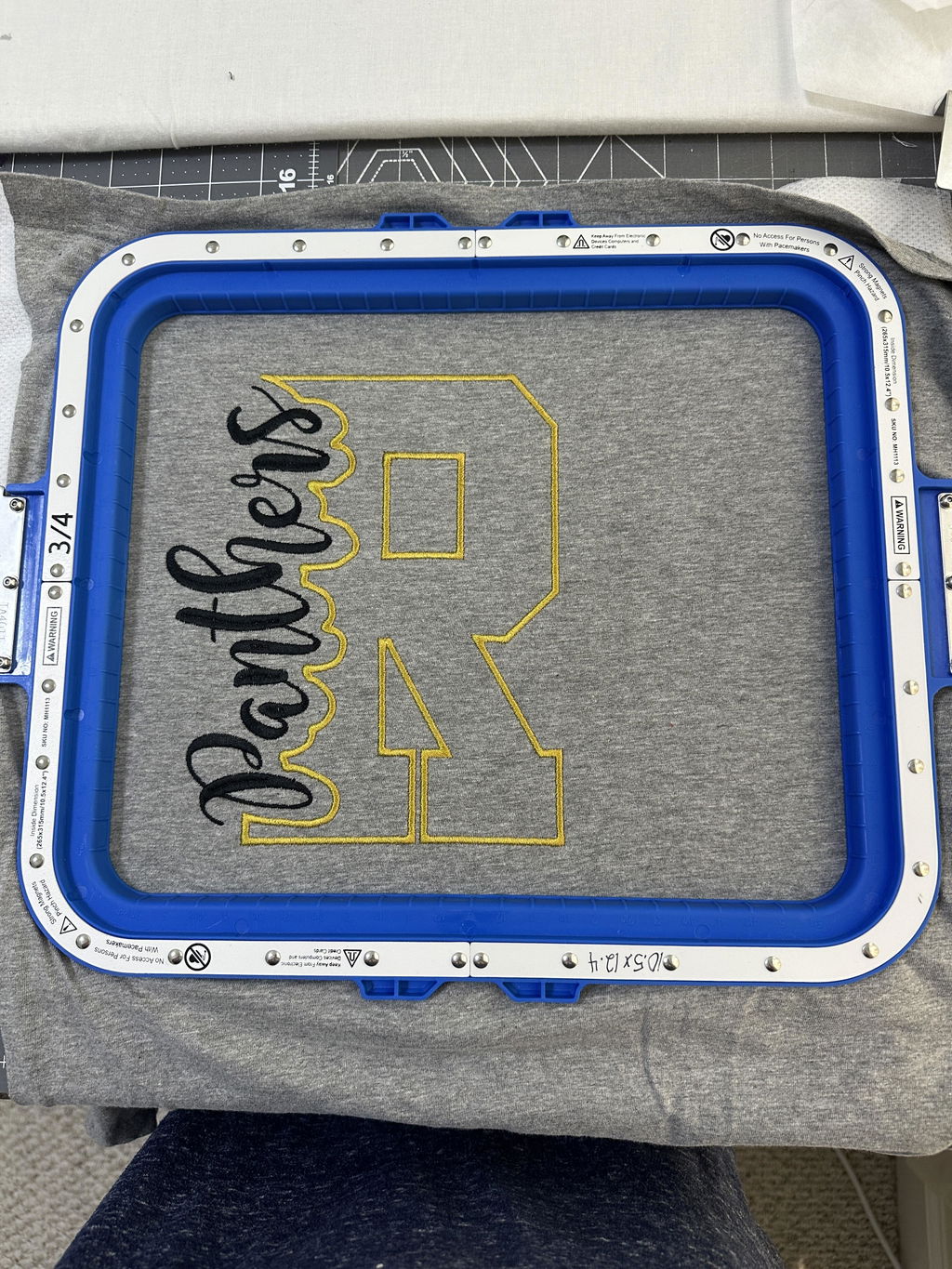
For embroidery tests, stable layers with magnetic hoops help keep fabric aligned while you dial in tension and needle size.
3.2 Thread Weight and Needle Size Pairing
Machine needles use dual numbers such as 80/12 (metric/US). Bigger numbers mean thicker needles for heavier materials.
| Thread Weight | Recommended Needle Sizes | Examples |
|---|---|---|
| Fine (Tex 30–50) | 65/9–80/12 | Silk, embroidery threads |
| Medium (Tex 60–70) | 80/12–90/14 | Cotton, polyester blends |
| Heavy (Tex 90+) | 100/16–110/18 | Denim, upholstery threads |
Special cases:
- Metallic threads: elongated-eye needles (80/12–90/14)
- Nylon threads:
- Size 15 (Tex 16): 70/10–80/12
- Size 69 (Tex 70): 100/16–110/18
4. Decoding Needle Sizing and Anatomy
Choosing the right needle depends on both size and structure. Here is how the sizing works and why each part matters.
4.1 Demystifying Needle Size Numbers
| Size | European (NM) | US | Diameter (mm) | Best For |
|---|---|---|---|---|
| 60/8 | 60 | 8 | 0.6 | Delicate fabrics (silk, chiffon, lace) |
| 70/10 | 70 | 10 | 0.7 | Lightweight wovens, voile, sheers |
| 80/12 | 80 | 12 | 0.8 | Medium-weight fabrics (cotton, linen) |
| 90/14 | 90 | 14 | 0.9 | Medium-heavy (denim, calico, linen) |
| 100/16 | 100 | 16 | 1.0 | Heavy fabrics (canvas, upholstery, denim) |
| 110/18 | 110 | 18 | 1.1 | Extra-heavy (leather, faux fur, heavy canvas) |
How it works:
- First number (metric) is blade diameter in hundredths of a millimeter; 80 means about 0.8 mm.
- Second number (US) aligns with the metric size.
Rule of thumb:
- Smaller numbers: fine needles for lightweight fabrics and threads
- Larger numbers: thicker needles for heavy-duty materials
4.2 Key Components of a Sewing Needle
- Butt: top end that inserts easily into the machine
- Shank: fits the machine; home needles have a flat side for alignment
- Shoulder: transition from shank to shaft; sometimes color-coded
- Blade/Shaft: main body; thickness determines strength
- Groove: channel that reduces friction and protects the thread
- Scarf: indentation helping the hook catch the thread and form a stitch
- Eye: hole for thread; larger eyes suit thick or specialty threads such as embroidery or metallic
- Point and Tip: sharp for wovens or leather; ballpoint/blunt for knits and spandex
5. Hand vs. Machine Needles: Purpose and Design
Hand and machine needles are built differently because their jobs are different.
5.1 Structural Differences and Specializations
Hand-sewing needles:
- Tip shape: pointed for precise penetration
- Shaft: slender and flexible for control
- Eye: small, at the end of the shaft
- Size system: higher number means finer, shorter
Machine needles:
- Tip shape: matched to fabric (ballpoint for knits, sharp for wovens)
- Shaft: reinforced for high-speed stitching
- Eye and groove: shaped to guide thread smoothly
- Shank: flat side for correct alignment
- Size system: dual numbering; higher means stronger, thicker
| Feature | Hand-Sewing Needles | Machine Needles |
|---|---|---|
| Tip Shape | Pointed for precision | Blunt/shaped for fabric protection |
| Shaft Strength | Slender, flexible | Reinforced, robust |
| Eye Size | Small | Larger |
| Size System | Inverse (12 = fine) | Dual (90/14 = heavy) |
Specializations:
- Hand: sharps (all-purpose), darners (mending), beading/embroidery (fine work), upholstery (heavy-duty), milliners (pleating/smocking)
- Machine: regular point (general), ballpoint (stretch), jeans/denim (thick fabrics), twin-pointed (parallel decorative stitches)
5.2 When to Choose Hand or Machine Needles
- Hand: precision tasks, tight spaces, temporary stitching like basting
- Machine: speed, consistency, heavy-duty projects, uniform stitches
Durability:
- Hand-sewn stitches are individually secure
- Machine stitches interlock for uniform strength
Useful size notes:
- Common machine sizes: 70/9 for light to 90/14 for medium-heavy
- Common hand sizes: 1–3 for heavy-duty to 10–12 for fine work
6. Needle Care and Troubleshooting
A fresh, correctly installed needle prevents skipped stitches, broken threads, and fabric damage. Systems such as magnetic hoops embroidery can also stabilize embroidery projects for smoother stitching.
6.1 Maintenance Best Practices
How often to change needles:
- About every 8–10 hours of active sewing
- Light fabrics: every 2–3 projects
- Heavy fabrics: after each project
- Stretch fabrics: use specialized needles and change frequently
| Factor | Impact on Replacement Frequency |
|---|---|
| Fabric Type | Heavy fabrics wear needles faster |
| Usage Intensity | Frequent: weekly or biweekly; Occasional: every few months |
| Visible Damage | Bent, chipped, or dull requires immediate replacement |
Signs you need a new needle:
- Thread breakage or shredding
- Skipped or uneven stitches
- Fabric puckering or snagging
- Odd machine noises
Proper insertion and safety:
- Align the flat side correctly in the needle clamp
- Seat fully and tighten
- For industrial machines, verify shank style
Storage and inspection:
- Use protective cases
- Check for dullness, chips, bends
- Match needle type to fabric (e.g., leather needles only on leather)
Pro tip: Using a magnetic hoop system like Sewtalent enhances fabric stability during embroidery, reducing needle stress and skipped stitches.
6.2 Solving Common Needle Problems
Skipped stitches — common causes:
- Wrong needle type/size
- Dull or damaged needle
- Tension issues
- Improper threading or installation
| Issue | Solution |
|---|---|
| Wrong needle type/size | Use specialized needles (ballpoint for knits, thicker for denim) |
| Dull/damaged needle | Replace regularly |
| Tension issues | Reset upper/bobbin tension; clean tension discs |
| Improper installation | Reseat and align the needle |
Needle breakage — common causes and fixes:
- Thin needle on thick fabric; install correctly; avoid pulling fabric; check for burrs
Fabric damage — common causes and fixes:
- Sharp needle on delicate fabric; consider ballpoint or beading
- Overly tight tension; loosen where needed
Key recommendations:
- Needle maintenance: replace frequently; keep the machine clean
- Needle selection: universal for general use; ballpoint for knits; sharp for wovens; specialized when required
- Tension: adjust after changing needles or fabrics
For consistent alignment on embroidery projects, well-tuned setups using machine embroidery hoops can complement sound needle choices.
7. Conclusion: Mastering Needle Selection
Choosing the right type and size for your fabric and thread unlocks smoother stitches, fewer issues, and a better sewing experience. Pair smart selection with regular maintenance, and your results will shine. If you embroider garments, consider streamlined setups such as hooping for embroidery machine using Sewtalent magnetic hoops.
Sewtalent’s powerful magnetic clamping, friendly handling, and durable build help maintain stable tension, minimize hoop marks, and reduce setup time. Upgrading to reliable magnetic embroidery hoops is a simple way to keep projects moving.
8. FAQ: Sewing Needle Essentials
8.1 How often should I change needles?
Replace after about 8–10 hours of sewing or at the start of each new project. Change more often for heavy fabrics or intensive work. Watch for skipped stitches, thread breaks, puckering, or unusual noises.
8.2 Can I use hand needles in a machine?
No. Hand and machine needles are built differently. Machine needles have a flat shank, specific eye and scarf geometry, and are required for safe, correct stitch formation.
8.3 Why does my thread keep breaking?
Likely causes: dull, bent, or incorrect needle; improper threading; or a mismatch between needle type/eye size and thread. Install a fresh, correctly sized needle and rethread the machine before adjusting tension.