

1. Introduction to Janome's Global Footprint
Janome Corporation has spent a century refining innovation in sewing technology. Founded in Tokyo in 1921 as Pine Sewing Machine Factory, the company grew into a global leader through strategic expansion, continuous R&D, and meticulous control of quality. Today, Janome operates advanced facilities in Japan, Taiwan, and Thailand, where precision manufacturing and rigorous testing reinforce the brand’s reputation for reliability.
Janome’s growth also reflects deliberate acquisitions and a network of subsidiaries that extend its reach while preserving a unified brand ethos. Alongside machines, the company’s ecosystem includes modern embroidery tools that support efficiency and accuracy, such as the janome magnetic hoop, which aligns with the brand’s emphasis on practical, material-driven improvements.
Table of Contents
- 1. Introduction to Janome's Global Footprint
- 2. Janome's Manufacturing Heritage: Factories and Quality Control
- 3. Corporate Structure and Strategic Acquisitions
- 4. Technological Milestones: From Memory 7 to Smart Embroidery
- 5. Janome vs Competitors: Manufacturing Partnerships and Differentiation
- 6. Regional Production Specialization: Japan vs Thailand Models
- 7. Conclusion: Janome's Century of Craftsmanship
- 8. FAQ: Janome Manufacturing and Machine Selection
2. Janome's Manufacturing Heritage: Factories and Quality Control
2.1 Founding and Global Production Hubs
Janome’s origins trace back to 1921, when Yosaku Ose established Pine Sewing Machine Factory, the first domestic sewing machine manufacturer in Japan. Over time, Janome expanded production to Taiwan and Thailand, positioning each site to serve distinct market needs. The Tokyo operation and the historic Koganei Factory (established in 1936) concentrate on high-end, computerized models with advanced automation and a skilled workforce.
Taiwan’s Wufung facility blends Japanese engineering with local craftsmanship to build mid-range machines using hybrid production methods for consistency. Thailand’s Sriracha factory focuses on mass-market, budget-friendly models. Across all sites, vertical integration and strict quality control ensure every machine meets Janome’s standards for reliability and precision.
2.2 Material Innovation in Modern Embroidery Tools
Janome’s quality philosophy extends to materials used in embroidery tools. The brand’s move toward advanced engineering plastics and high-strength magnets has improved durability and stability in hoops. Sewtalent, a leader in magnetic embroidery hoops for janome, showcases this direction by employing BASF PPSU engineering plastics and N50 magnets. The magnetic clamping system supports even tension, reduces slippage, and stands up to high-volume embroidery, pairing innovation with everyday practicality.
3. Corporate Structure and Strategic Acquisitions
3.1 Subsidiaries: Janome America and Elna Integration
A key milestone in 1960 was the acquisition of the New Home brand, paving the way for Janome’s U.S. expansion. Headquartered in Mahwah, New Jersey, Janome America distributes products nationwide and provides a robust retail and service network that supports sewists at every level. This structure ensures timely access to machines and support for owners of a janome embroidery machine.
Janome’s acquisition of Elna in the mid-1990s further strengthened its European presence. Elna continues as a distinct brand while leveraging Janome’s manufacturing capabilities, with production in Janome’s Thailand facility. The corporate model combines decentralized subsidiaries for local adaptation with centralized R&D and manufacturing, ensuring innovation, responsiveness, and consistent quality.
4. Technological Milestones: From Memory 7 to Smart Embroidery
Janome transformed the home sewing landscape in 1979 with the Memory 7, the first computerized sewing machine for home use. Programmable stitches and complex patterns became accessible to hobbyists and professionals, marking a new era of creative possibility.
4.1 Pioneering Computerized Sewing (1979–Present)
In 1990, the Memory Craft 8000 brought professional-style embroidery to the home market, integrating precision embroidery with versatile sewing. Subsequent milestones followed: the Memory Craft 6500P (2003), the first long-arm quilting machine designed for home use; the Memory Craft 10000 series, which advanced sewing, embroidery, and quilting with USB connectivity; and the Horizon Memory Craft 15000, enabling wireless integration with iPads and PCs for real-time design work. The Continental M7 Professional underscored power and precision with high-speed performance and expansive arm space.
These innovations bridge professional and home environments. Modern workflows are further streamlined when paired with magnetic embroidery hoops that support fast, stable hooping without disrupting fabric or design alignment.
5. Janome vs Competitors: Manufacturing Partnerships and Differentiation
5.1 Third-Party Production Insights
Janome emphasizes in-house production to maintain quality and precision. While some brands rely on outsourcing, Janome builds machines in its own facilities across Japan, Taiwan, and Thailand. Some Janome models share a Thai facility with Bernette, but components are distinct. Bernette focuses on mechanical models after Bernina discontinued its own mechanical line. Janome’s approach contrasts with competitors that prioritize cost savings through third-party manufacturing.
5.2 Efficiency Tools for Modern Embroiderers
Janome’s robotics-driven precision, with tolerances measured in thousandths of an inch, is a hallmark of its multi-needle embroidery capability. For sewists focused on speed and consistency, magnetic hoops for embroidery machines complement Janome’s platforms. Sewtalent’s magnetic embroidery hoops can reduce hooping time by up to 90 percent while maintaining even tension and minimizing slippage, enhancing day-to-day productivity.
6. Regional Production Specialization: Japan vs Thailand Models
6.1 High-End vs Mass-Market Manufacturing
Japan leads with high-end, complex designs and multi-needle embroidery systems, including the Memory Craft series and industrial embroidery models aimed at professionals and advanced hobbyists. Taiwan focuses on mid-range computerized and mechanical machines, balancing features and affordability. Thailand produces budget-friendly, high-volume models for entry-level and mass-market buyers.
No matter the location, Janome maintains consistent quality controls. The differences reflect strategic product segmentation rather than a hierarchy of quality; all machines are built to meet Janome’s exacting standards.
7. Conclusion: Janome's Century of Craftsmanship
From the first computerized home sewing machine to wireless-enabled embroidery and high-speed quilting, Janome’s century-long trajectory highlights relentless innovation and quality. Investing in a Janome platform means choosing reliability and precision that support creative growth. For users who value fast, stable hooping alongside durable machines, a well-matched magnetic embroidery hoop can further elevate results.
8. FAQ: Janome Manufacturing and Machine Selection
8.1 Q: Are Janome and Elna machines the same?
A: They are distinct brands. After Janome acquired Elna, Elna benefited from Janome’s manufacturing capabilities while keeping its own branding and design approach.
8.2 Q: Where are Memory Craft models made?
A: Memory Craft models are primarily manufactured in Japan, where Janome focuses on high-end, precision engineering suitable for advanced features and meticulous build quality.
Best hoops fast and easy to use.
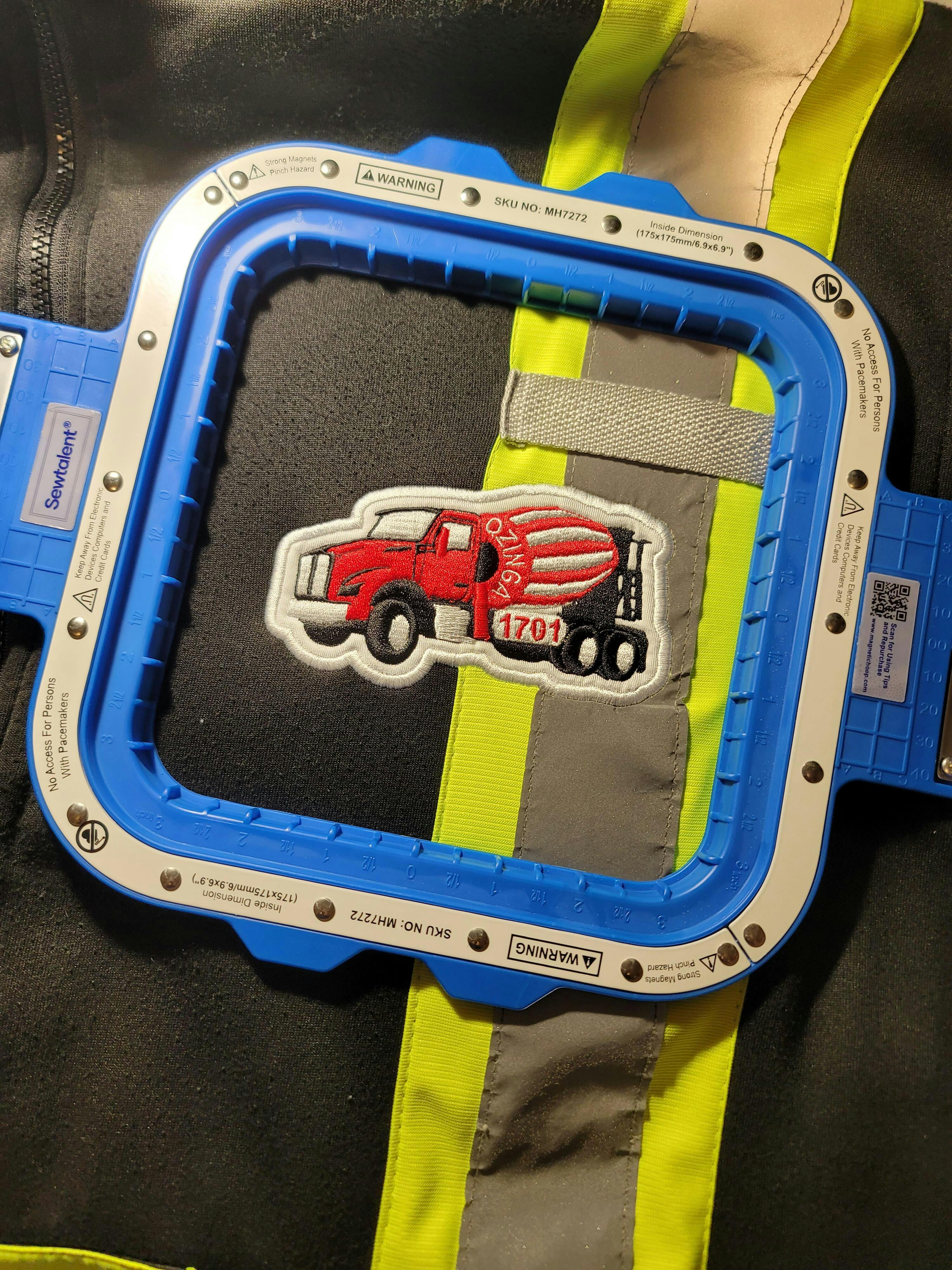
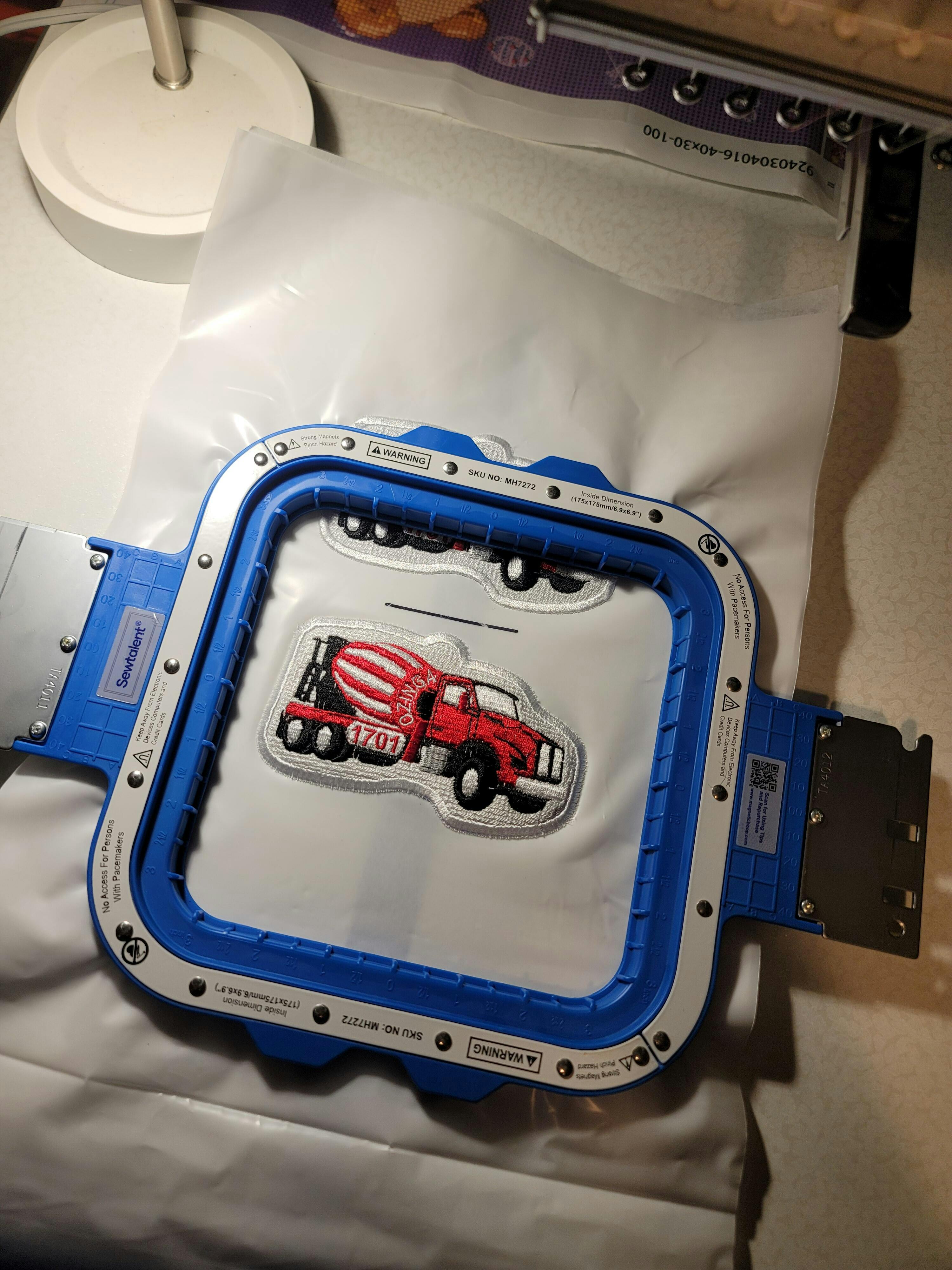
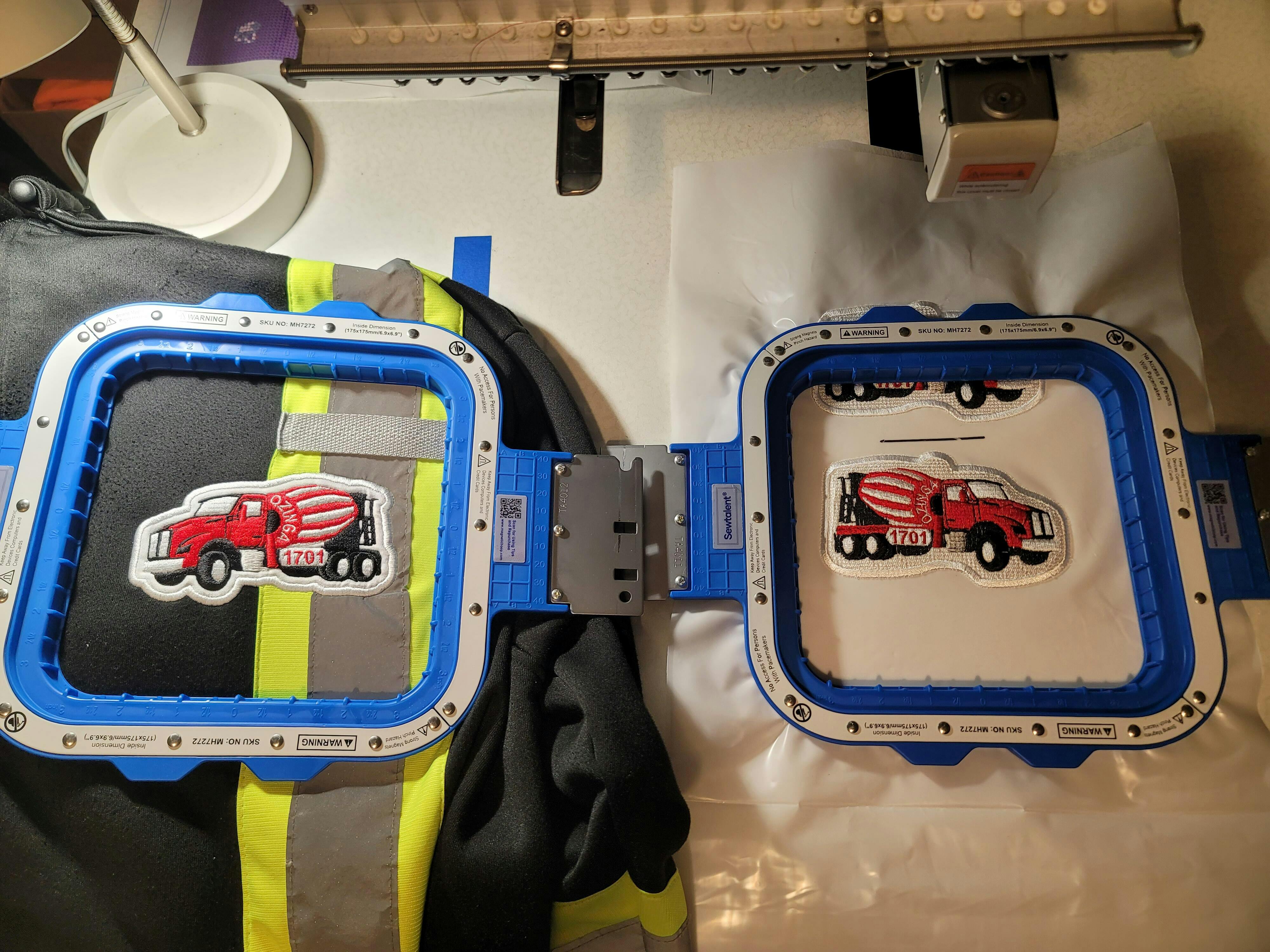
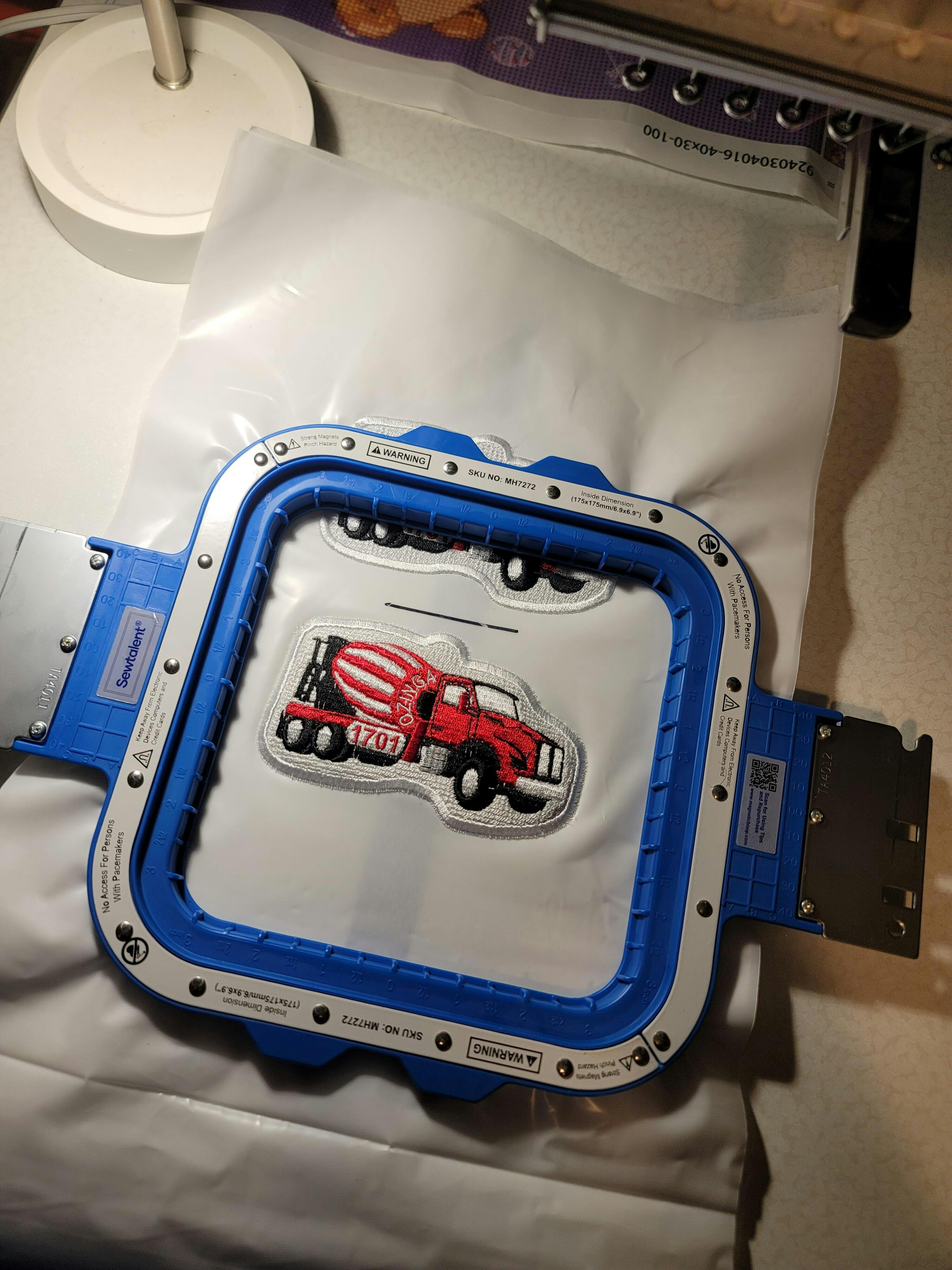
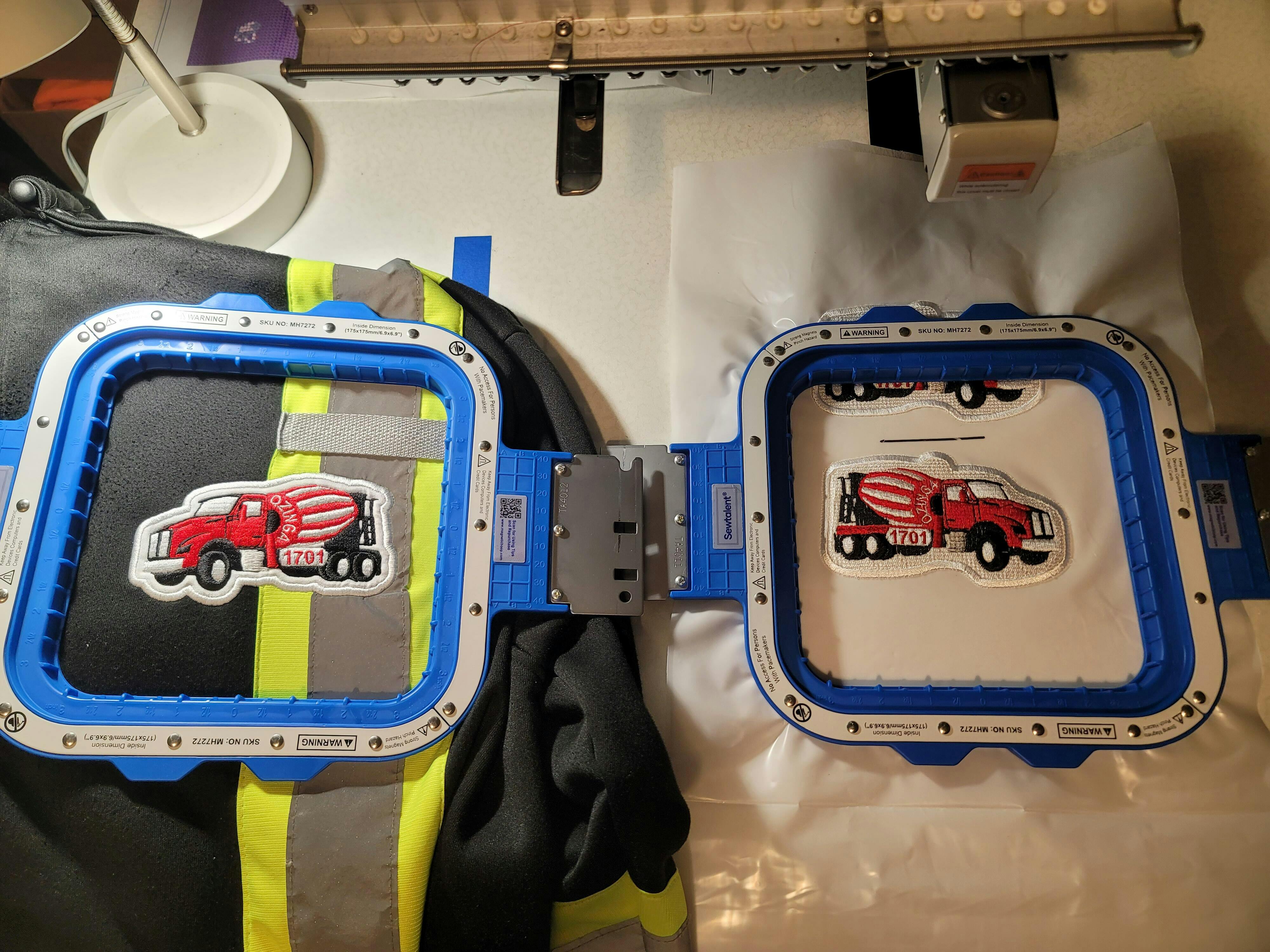
It took a little long to get here, but that's because I'm impatient. Other than that it's every thing I absolutely needed.
Fantastic quality. The hoops are strong and hold the fabric firmly, which helps me complete my patch runs efficiently. I have three embroidery machines and all of them use Magnetichoops. I ordered two additional hoops today because the products and service are consistently superb.
Lovely hoops. They are exceptionally strong and support fast, smooth production of my patches. I use three embroidery machines, and all of them work with Magnetichoops. The customer service is excellent. I ordered two more today because the quality of these hoops is consistently outstanding.
Ordered my hoops and received quickly. I ordered wrong one and they sent the correct one before I even mailed the incorrect one back. Always responded and very pleasant to work with. Will do business again!!!!
