1. Introduction to Meistergram Embroidery Systems
Meistergram has served the embroidery industry since 1933, earning trust with durable, commercial-ready machines for shops and growing studios. If you need high-volume, multi-color output without the premium of Japanese flagships, Meistergram is a practical, value-focused option.
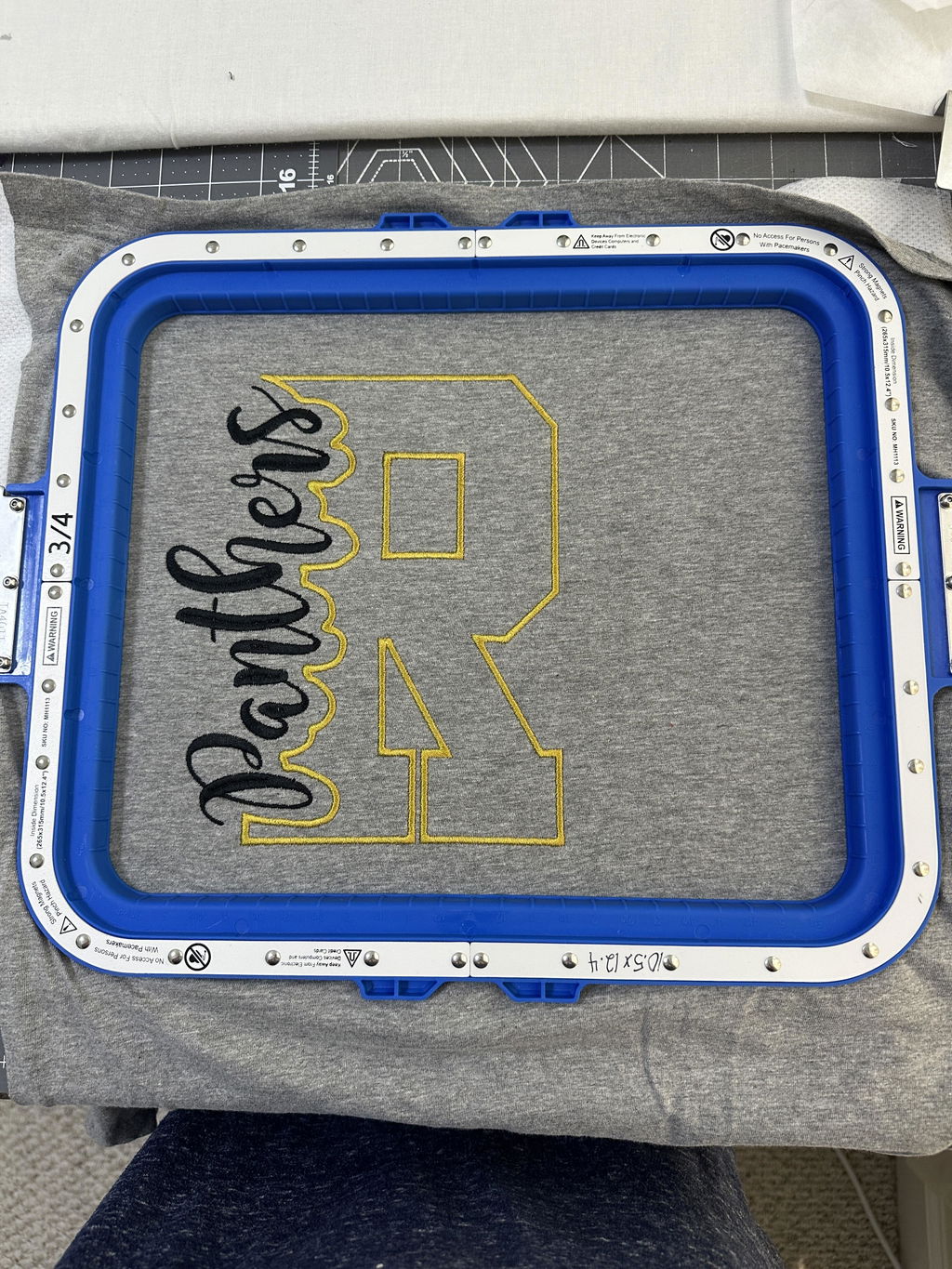
Modern accessories elevate these machines even further. A magnetic embroidery hoop can cut setup time, lower operator fatigue, and protect delicate fabrics—unlocking faster turnaround and more consistent stitch quality.
This expert review explores real-world results, maintenance essentials, and how Meistergram stacks up against Barudan and Tajima. If you want a dependable, ROI-friendly workhorse, read on.
Table of Contents
- 1. Introduction to Meistergram Embroidery Systems
- 2. Real-World Performance and User Reviews Analysis
- 3. Meistergram vs. Tajima/Barudan: Technical Showdown
- 4. Technical Specifications Breakdown: GEM 1500XL vs PRO 1500
- 5. Ownership Considerations: Support and Long-Term Value
- 6. Troubleshooting Classic Models: M80 Maintenance Guide
- 7. Conclusion: Choosing Your Embroidery Workhorse
- 8. FAQ: Meistergram Machine Essentials
2. Real-World Performance and User Reviews Analysis
2.1 Commercial-Grade Speed and Reliability
Professionals consistently praise Meistergram for dependable performance. Operators running the Meistergram Pro 1500 report "very little problems," especially when machines are sourced from reputable distributors known for responsive support.
Productivity highlights of the Pro 1500 include:
- 15-needle configuration for multi-color designs without constant thread changes
- 1,200 stitches per minute (SPM) for commercial throughput
- Dual embroidery modes (flat and tubular) for varied garments
- Automation features such as thread trimming, color changes, and break sensors
In user feedback, Meistergram is credited with a "good-looking product" and minimal fuss—provided routine maintenance is performed.
For smoother garment hooping on commercial jobs, magnetic hoops for embroidery machines help standardize placement and reduce operator strain.
2.2 Maintenance Protocols for Longevity
Longevity depends on preventive care. Follow these core routines:
- Lubrication schedules: rotary hooks every 4 hours, drive rails biweekly, needle bars monthly
- Use OEM parts to avoid compatibility issues and warranty risks
- Regular inspections of leadscrews, stepper motors, and driver boards
A 2025 reliability guide rates Meistergram at 4.2/5, noting that magnetic hooping systems are major efficiency boosters. With optimized setup, hooping can drop to roughly 30 seconds from a typical 3 minutes—saving time, protecting fabric, and reducing operator fatigue.
If your workflow focuses on frequent changeovers and garment variety, consider streamlined magnetic hoops for embroidery to maximize uptime.
3. Meistergram vs. Tajima/Barudan: Technical Showdown
3.1 Speed and Precision Comparison
Meistergram’s Pro 1500 reaches 1,200 SPM, placing it in the commercial tier. Barudan’s BEKT-S1501CBIII is reported to be 1.08× faster than Tajima’s TWMX-C1501, with roughly 35× the stitch storage and support for 1.66× more design formats. Tajima is noted for a multilingual interface and large embroidery fields.
Meistergram emphasizes value and balanced capability:
- Commercial speed (1,200 SPM)
- Dual modes for flat and tubular work
- Cost-effectiveness against premium competitors
Well-matched accessories sharpen results. Thoughtfully sized magnetic embroidery frames can stabilize challenging fabrics and speed job changeovers.
| Feature | Meistergram Pro 1500 | Barudan BEKT-S1501CBIII | Tajima TWMX-C1501 |
|---|---|---|---|
| Max Speed (SPM) | 1,200 | Higher than Tajima | Baseline |
| Stitch Storage | Not specified | 35× higher than Tajima | Lower capacity |
| Design Formats | Not specified | 1.66× more than Tajima | Limited |
| Key Innovation | Dual embroidery modes | Positive Needle Drive | Large embroidery fields |
3.2 Software and Workflow Integration
Newer Meistergram units can integrate with updated software, while some older models may need workarounds for modern systems. Tajima offers a multilingual, touch-driven interface, and Barudan emphasizes broad format support and advanced automation.
Accessory compatibility matters. Universal magnetic hoops for tajima embroidery machines also work across a wide range of commercial platforms, helping future-proof your shop if you mix brands or upgrade.
In short, Meistergram delivers reliable automation and strong value; Barudan and Tajima lead on speed, precision, and advanced interfaces at higher upfront cost.
4. Technical Specifications Breakdown: GEM 1500XL vs PRO 1500
When choosing between the GEM 1500XL and PRO 1500, production area and ergonomics guide the decision.
4.1 Production Capacity Comparison
The GEM 1500XL offers a 20" x 16.5" (510 x 420 mm) sewing field for jacket backs and oversized layouts. The PRO 1500 provides a 14" x 8" (360 x 200 mm) area in a compact footprint. Both deliver 15 needles and 1,200 SPM with dual flat/tubular modes.
Ergonomic touches on the GEM 1500XL include an adjustable presser foot, universal needle plate, industrial-grade powder coating, plus a flat table and sash frame assembly with support braces for heavy materials. Setup is straightforward and designed to reduce fatigue while maintaining alignment.
Magnetic systems streamline garment hooping by minimizing fabric distortion and speeding changeovers—beneficial even when coordinating with larger multi-brand fleets that use barudan magnetic hoops.
| Feature | GEM 1500XL | PRO 1500 |
|---|---|---|
| Sewing Field | 20" x 16.5" | 14" x 8" |
| Needles | 15 | 15 |
| Max Speed (SPM) | 1,200 | 1,200 |
| Dual Embroidery Modes | Yes (Flat/Tubular) | Yes (Flat/Tubular) |
| Adjustable Presser Foot Height | Yes | Yes |
| Table/Frame Support | Flat table, sash frame, braces | Compact design |
| Hooping System Compatibility | Magnetic hoops, sash frame | Magnetic hoops |
4.2 Modern Connectivity Features
The GEM 1500XL includes easy-access dual USB ports, supports popular file formats (.dst, .dsb, .zsk, .fdr), and runs a multi-task OS so you can prep the next job during stitching. The interface features a 7" HD touchscreen with on-board lettering and color memory.
The PRO 1500 adds Wi‑Fi readiness for design import and remote management, along with USB connectivity and a 10" color LCD touchscreen. Both models are compatible with DSB/DST files to fit common software workflows.
Pairing either machine with a well-sized magnetic frame for embroidery machine aligns digital job queues with fast, repeatable hooping—reducing setup time and improving consistency across fabrics.
5. Ownership Considerations: Support and Long-Term Value
Investing in Meistergram is about more than specs; it’s about the ownership experience—brand legacy, support networks, and total cost of ownership.
5.1 Navigating Brand Legacy and Support Networks
Founded in 1933, Meistergram built a reputation for long-running, technically capable machines. After ownership changes and acquisition by Consew, the product line emphasizes affordable, commercial-grade features. Technicians and users highlight the importance of established distributors known for responsive help. Always verify local service availability and warranty terms.
5.2 Cost-Benefit Analysis of New vs Used
Refurbished Meistergram units—for example, priced at $5,999—offer lower upfront cost, while new machines add comprehensive warranties, modern automation, and guaranteed accessory compatibility. High-quality magnetic hoops retain cross-brand utility and protect resale value as you upgrade.
6. Troubleshooting Classic Models: M80 Maintenance Guide
Vintage Meistergram machines like the M80 are durable, but they benefit from targeted maintenance.
6.1 Common Mechanical Issues and Solutions
Frequent thread breaks often trace to thread quality, needle condition, or misalignment. Use consistent, high-quality embroidery thread; replace bent or blunt needles; confirm correct insertion. Re-check needle height and threading path to stabilize stitch formation.
If bobbin thread shows on top, re-seat the bobbin, adjust tension, and keep the case clean. Follow recommended lubrication intervals and replace embroidery-specific needles (size 75–90) about every 8–10 hours.
For deeper repairs, consult model manuals (e.g., M80-JNS, M100-JNS) with exploded views and diagrams. When needed, lean on tutorial videos or authorized service centers for part replacements and mechanical alignment.
7. Conclusion: Choosing Your Embroidery Workhorse
Meistergram blends commercial performance with accessible pricing: 1,200 SPM speed, dual modes, and automation that keeps production moving. Paired with magnetic hooping systems and consistent maintenance, these machines deliver fast setup, stable quality, and long-term value.
Choose the model that matches your field size needs and workflow—and amplify it with smart accessories to scale output without sacrificing stitch quality.
8. FAQ: Meistergram Machine Essentials
8.1 Q: How do I load and start an embroidery design on a Meistergram machine?
A: Insert a USB drive, select your design on the panel, adjust orientation and color sequence as needed, and run a trace to confirm the design fits the hoop before stitching.
8.2 Q: What file formats do Meistergram machines support?
A: Many modern models accept .dst, .dsb, .zsk, and .fdr via USB. Confirm supported formats on your specific machine’s interface or manual.
8.3 Q: How can I ensure accurate design placement and avoid needle collisions?
A: Use the trace function with a reference needle (often needle 1), let the machine outline the design area, then adjust position so the needle stays clear of the hoop.
8.4 Q: What routine maintenance keeps my Meistergram running smoothly?
A: Oil rotary hooks every four hours, drive rails biweekly, and needle bars monthly. Replace needles regularly, use quality thread, and inspect leadscrews and motors.
8.5 Q: Where can I find troubleshooting help for classic Meistergram models?
A: Vintage manuals with exploded diagrams and step-by-step instructions are available for models like the M80 and M100-JNS. Tutorial videos and authorized service centers can also help.
8.6 Q: What is the resale value of older Meistergram machines?
A: Condition and accessories drive value. A working Meistergram M80 with its original desk can fetch around $750–$850 on common listing platforms.
8.7 Q: Are Meistergram machines compatible with modern accessories?
A: Yes. Most recent models support a wide range of universal hoops and frames; verify compatibility with your exact machine model before purchasing.